MUSC to study first-ever fully internal cochlear implants as part of national trial
Mar 24, 2025 | 5:30 am ET
Description
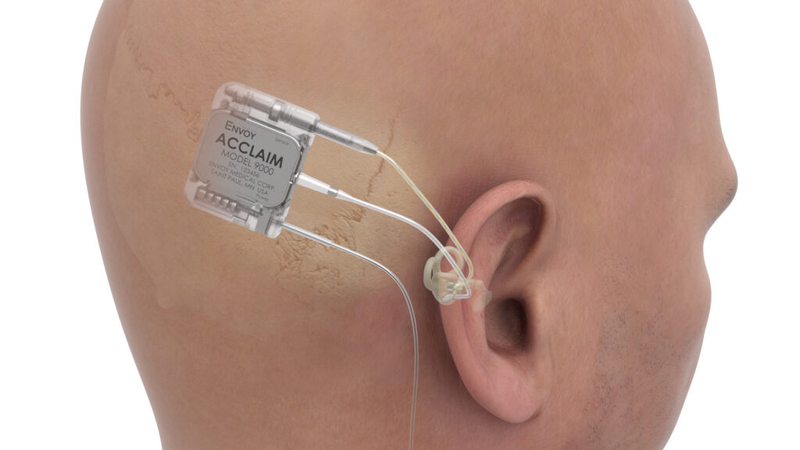
A model of Envoy Medical's fully implantable cochlear implant, which MUSC is studying as part of a national medical trial. (Provided by Envoy Medical)
People with hearing loss could have the option of an implant with no external pieces for the first time as part of a medical trial at the Medical University of South Carolina.
The Charleston-based teaching and research hospital will place a fully implantable cochlear implant in about 15 adults with significant hearing loss in both ears. Depending on the results of the study, which will last three years, the device could become widely available.
Traditional cochlear implants, typically used by people with hearing loss too advanced for hearing aids, include pieces both inside and outside a person’s ear. The external piece a person wears picks up sounds and sends it to the implant placed in the inner ear, allowing a person to hear.
Companies have been trying to develop a device that places all the external pieces beneath a person’s skin for about 20 years, said Kara Leyzac, director of MUSC’s cochlear implant program.
“The biggest challenge has always been, where do you put the microphone?” Leyzac said.
Envoy Medical, a Minnesota-based company focused on devices that mitigate hearing loss, found a way in 2015 to place the microphone in a person’s middle ear, which is past the ear drum but not as deep as the implant itself. Those bones vibrate with sound, which the microphone picks up and sends to the implant itself.
For most people with significant hearing loss, those middle ear bones still vibrate, allowing the device to work, Leyzac said.
The more often a person wears a cochlear implant, the better they can hear, so having something easy to wear 24/7 helps people with hearing loss better understand language and interpret sounds. This one, people can wear as they shower, swim and sleep, which they can’t do with traditional implants, said Envoy CEO Brent Lucas.
“You don’t have this thing on the side of your head,” Lucas said. “It can’t fall off in the middle of the day. It’s part of you.”
Three patients had the device implanted as part of a smaller feasibility study in 2022. After that went well, the study expanded to seven more hospitals across the country, including MUSC. MUSC has implanted its first patient but is searching for more who are interested in participating, Leyzac said.
MUSC, which was chosen because of the strength of its cochlear implant program, will submit its data to the FDA to consider as the agency determines whether Envoy can sell the device.
If the device makes it to the market, it will likely cost between $25,000 and $35,000, which is similar to a traditional cochlear implant, Lucas said. He expects the devices to be covered by most insurance companies.
The company covers the cost of surgery and the device during the trial.
Previous attempts at creating a fully implantable device would put the microphone beneath a person’s skin, muffling sound or causing a person to hear their own body, MUSC’s Leyzac said. Envoy’s device avoided this problem by keeping the microphone within the ear.
The other major challenge in making a fully implantable device was the question of where to put the battery, Leyzac said.
Traditional cochlear implants include an external battery that people can take off and charge at night. The fully implantable device includes a battery pack that a surgeon places in a person’s chest, near their shoulder. Patients then place an external charging coil over the internal battery, which charges the device for several days, Leyzac said.
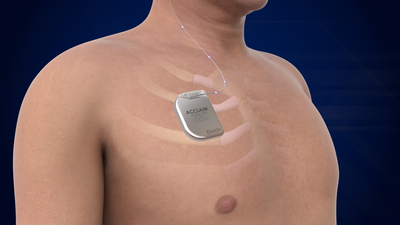
“You can sit there and watch TV, or do whatever, and it’s just charging for you, which is pretty cool,” Leyzac said.
The fully implanted device also has an on and off switch included with the charger coil, allowing people to decide when they want to hear and not hear. Many patients who have been unable to hear for a long time get used to the quiet and overwhelmed with constant sounds, Leyzac said.
“It’s really cool to hear 24/7, but there are some distinct advantages to being able to turn off the world sometimes, right?” Leyzac said.
Along with being more practical in some cases, fully implantable cochlear implants allow people with hearing loss to avoid some of the stigma that comes with it, Leyzac said.
Stigma could be one reason few people who are eligible for cochlear implants get them. Of the people believed to be eligible, an estimated 12%, at maximum, actually undergo the procedure, “which is an astoundingly low number,” Leyzac said.
That has been the case for decades, and doctors have been trying to figure out why and whether they can do anything to make the surgery more appealing and accessible to more people. Leyzac hopes MUSC’s trial will introduce more people to the idea of an implant, whether it’s fully implanted or a traditional version, she said.
“If this makes it possible for more people to receive this technology, then that’s a really amazing thing,” Leyzac said. “If it improves their outcomes and makes them hear better with their implant, that’s a really amazing thing.”
Lucas compared the device to people with failing eyesight getting corrective surgery instead of wearing glasses all the time. Some people will still prefer the traditional implants, but they should still have the choice, he said.
“To us, it’s really just a chance where individuals get to pick,” Lucas said. “They deserve to have options, and some people really want a fully implanted solution, and we’re here to provide them with that.”

Columbia