WV House’s budget doesn’t include governor’s tax cut, looks much different from Senate’s budget plan
Feb 19, 2026 | 4:45 pm ET
Description
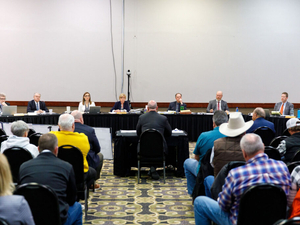
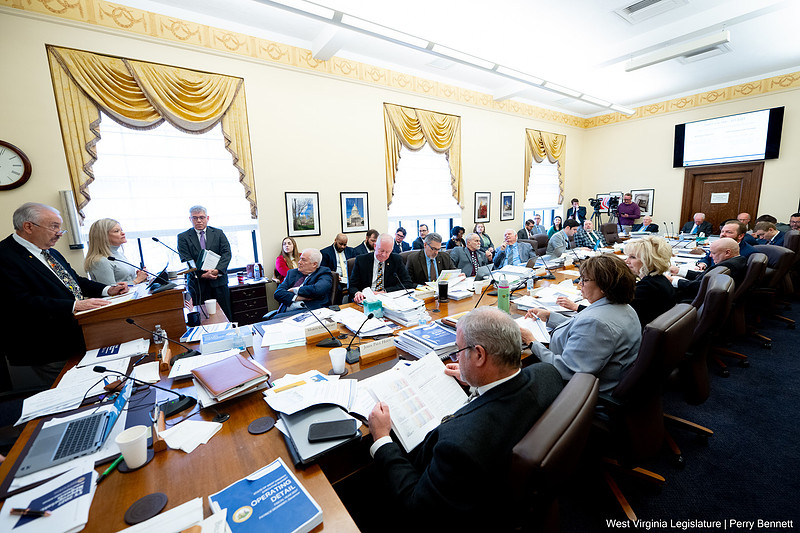
The West Virginia House Finance Committee unveiled its Fiscal Year 2027 Budget Bill on Thursday, Feb. 19, 2026. (Photo by Perry Bennett/West Virginia Legislative Photography)
The West Virginia House Finance Committee got to work on their budget Thursday morning, unveiling a 203-page budget bill that notably didn’t include the governor’s proposed personal income tax cut.
Gov. Patrick Morrisey wants a five or 10% tax cut, saying the state is in a financial place to deliver it to residents. He asked lawmakers to deliver a hopefully 10% cut by finding ways to save money elsewhere.
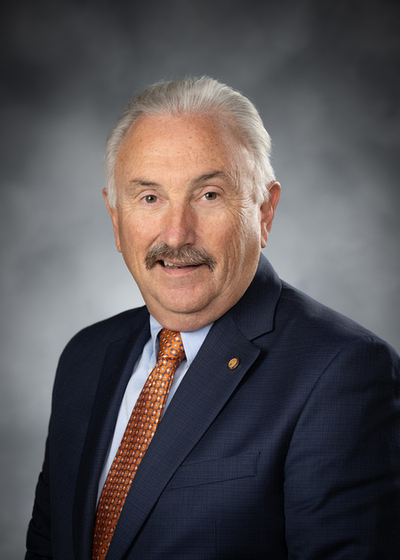
House Finance Chairman Vernon Criss, R-Wood, said this week that the governor’s proposed budget — which includes teacher pay raises, increased Medicaid funding, the $230 million Hope Scholarship voucher program and a tax cut — doesn’t work.
“We’re not doing it, we’re simply not going to do it,” Criss told reporters Wednesday.
House Bill 4027, the House’s budget bill, would use general revenue funds to pay for the state’s share of Medicaid, a program used by nearly one-third of West Virginia residents. Morrisey proposed paying for Medicaid through surplus funds as he proposed a tax cut.
The House budget proposal wouldn’t provide any cut to the state’s personal income tax.
Lawmakers put a tax cut trigger system in place in 2023, but the state didn’t trigger a tax cut this year because West Virginia didn’t meet the revenue goal in this past fiscal year. Under previous Gov. Jim Justice, the Legislature cut personal income taxes by about 27% in recent years through bills and a trigger-based reduction plan.
While Morrisey has made attempts at economic development over the last two years, Criss said that the governor “wants to accelerate that tax cut without the economy growing.”
“We have the opportunity to bring in all kinds of manufacturing, and yet he doesn’t want to participate. He doesn’t want the state to participate in the game of subsidizing businesses to come to the state, but all other 49 states are doing it,” Criss said.
Morrisey’s proposed budget had reflected a 5% personal income tax cut, which would decrease the state’s revenue by around $125 million.
The Senate’s proposed budget was built with a 10% tax cut in mind, which would equate to a $250 million decrease in revenue for the state.
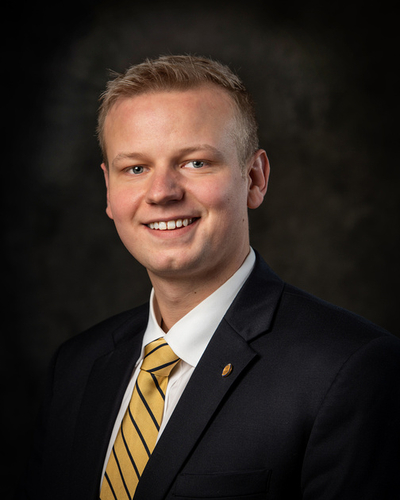
“I still think we’re a long way away,” Del. John Williams, D-Monongalia, told reporters Thursday. Williams serves on the House Finance Committee.
“There are obviously some similarities between what the Senate gave us, in a lot of ways, more similarities with what the governor originally gave us. I think the tax cut is still going to be a big looming factor of disagreement between all three parties, and so we’ll have to see how that plays out,” he said.
The House’s budget bill also reflects proposed changes to the Hope Scholarship, the state’s education voucher program that is expected to cost $230 million. Criss is hoping to shave millions off the price tag through new restrictions on the program, like banning the use of Hope Scholarship funds at out-of-state public or private schools, according to a House bill.
The House Finance Committee advanced their budget to the full House for a vote.
The Senate is expected to vote on their budget bill Friday, and their version contains numerous differences from what the House is proposing. The Senate and House budget bills both make changes to the governor’s requests, which means there will be changes ahead as lawmakers work toward a final budget by sine die on March 14.
Criss told reporters that “we’ll hack it out.”
“It’s just about what you have to do. And, we’ll sit down, and the budget analysts will get together with the Senate, and the chairmen and the vice chairmen will get together, and we’ll start striking as we go through each line item on the differences and try to come up with a compromise,” Criss said.
Charleston, WV