What happens when corporate obligations conflict with Alaska Native values?
May 21, 2026 | 9:09 pm ET
Description
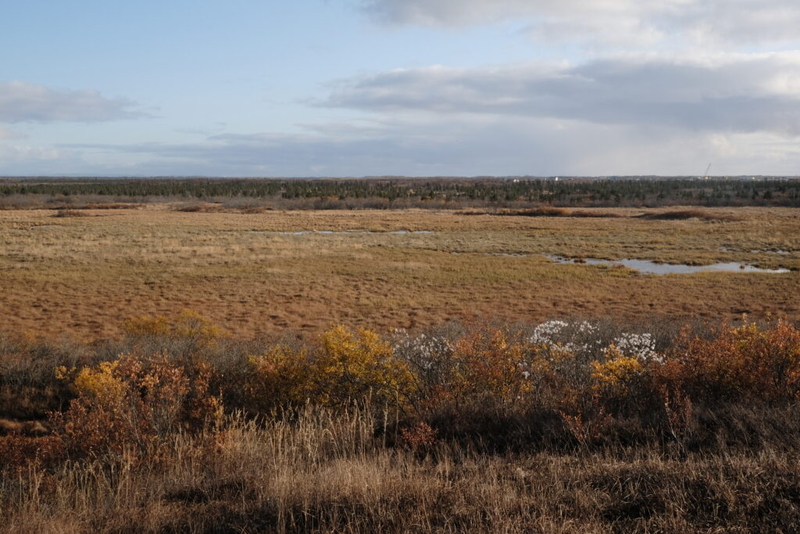
The tundra in the Yukon-Kuskokwim Delta is seen in the evening sun on Oct. 11, 2023. (Photo by Claire Stremple/Alaska Beacon)
Supporters of the Donlin Gold project often frame it as a matter of Alaska Native self-determination and fiduciary responsibility because the Alaska Native regional corporation Calista owns the mineral rights. However as Calista shareholders, we believe the deeper question is: What happens when corporate obligations directly conflict with Alaska Native values?
The Alaska Native Claims Settlement Act created Native corporations to use a Western corporate model focused on growth, investment and fiduciary return. Our peoples’ relationship to the land was never built around maximizing profit or exclusion. For thousands of years, the Yukon-Kuskokwim Delta sustained our Tribal nations through salmon, moose, berries, clean water and intergenerational stewardship. Those values did not disappear when ANCSA was signed.
Our lives and identities are still defined by the lands and waters we come from. The remoteness of the Yukon-Kuskokwim region is not a weakness — it is part of what has allowed our people to retain language, subsistence traditions and a way of life rooted in reciprocity with the natural world. We understand that we are stewards of our environment. Especially in an era of climate instability and fragile supply chains, the land itself remains our security. That is a form of prosperity no dividend can replace.
Yet for decades, many shareholders have watched Calista increasingly prioritize corporate standards over the traditional cultural and subsistence values of our people. Fiduciary responsibility is important, but there are moments when corporate boards must recognize that their responsibility extends beyond financial return. When decisions could permanently alter salmon systems, water quality, or the safety of traditional foods, shareholders have every right to ask whether corporate law is being elevated above the very people the corporation was created to serve.
That tension is at the center of the Donlin debate.
The Donlin partnership was entered into decades ago without meaningful consultation with our Tribes nor a shareholder vote. Since then, many shareholders have expressed concerns about impacts to subsistence, salmon and the long-term survival of our Tribal nations. Too often those concerns have been minimized, ignored or treated as obstacles to development rather than legitimate expressions of Native stewardship and governance.
But dissent is not anti-Native. Wanting a meaningful voice in decisions that could transform our homelands is not opposition to self-determination. It is our inherent right and expression of self-determination.
ANCSA may have imposed a corporate structure on our communities, but that does not mean Native corporations cannot evolve to better reflect Indigenous values. Alaska Native Corporations operate under a confusing and archaic system and are not based on the beliefs we uphold as Native Peoples. Shareholders are asking an important question: Should Native corporations operate solely according to Western corporate expectations, or should they also be guided by Native responsibilities to land, culture, subsistence and future generations?
For many of us, this is not simply a debate about economics or mining. It is a debate about what prosperity means.
Prosperity is not only measured in revenue, contracts or shareholder dividends. Prosperity is also healthy salmon runs, safe drinking water, the ability to harvest and share traditional foods, and knowing our grandchildren will inherit a living culture tied to an intact homeland.
Calista’s responsibility is not only to corporate growth. Their responsibility is also to its people. And many shareholders believe protecting the lands and waters that sustain us is part of that duty.
Both women work with Mother Kuskokwim Tribal Coalition, Ashlynn serves as the deputy director and Gloria is a co-founder and advisor. These views are their own and not MKTC’s.
Juneau