Virginia’s colleges and universities brace for major accreditation overhaul
May 28, 2026 | 5:15 am ET
Description
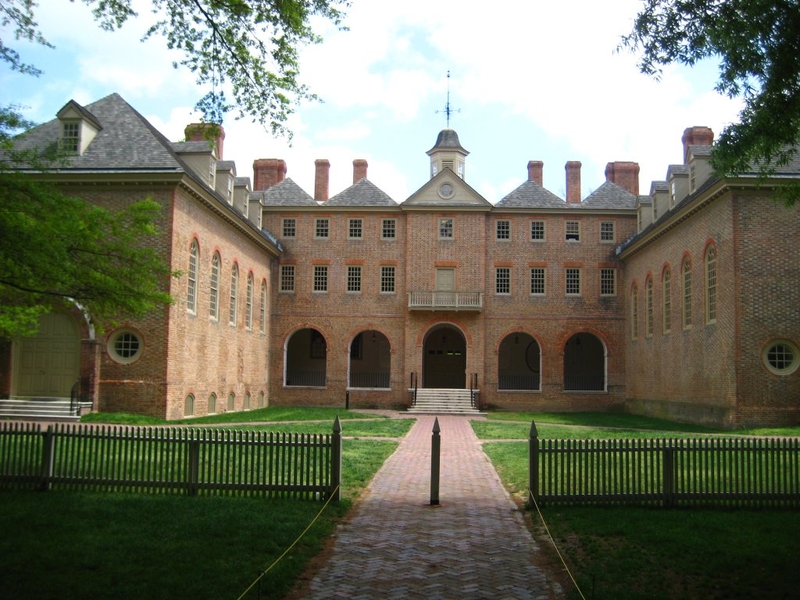
The Wren Building at the College of William and Mary in Williamsburg.(Photo courtesy of NBC12)
Virginia’s colleges and universities may soon face heightened competition and political scrutiny, educators and related groups say, as the U.S. Department of Education advanced draft rules last week that could change how institutions are accredited under stronger federal oversight and stricter accountability measures.
This process plays a central role in U.S. higher education because it undergirds access to financial aid, the credibility of degrees, transferability of credits, and standards for holding colleges accountable.
President Donald Trump directed the federal education agency to launch a reform effort to impact accreditors and institutions nationwide. He signed an executive order in April that alleged accreditors were not focused on outcomes such as affordability, graduation and employment, instead prioritizing diversity, equity and inclusion policies.
As the administration pushes these reforms, opponents such as the Council for Higher Education Accreditation, the American Association of University Professors, and the American Federation of Teachers have been skeptical, saying they could prompt political influence on campus, disruption of standards in law and medical schools, and the weakening of institutional autonomy and diversity initiatives.
“Accreditation is not simply a compliance exercise, but a peer-driven process that assures quality across a diverse higher education system,” the Council for Higher Education Accreditation said in a statement on April 14. “As this process moves forward, we hope for a balanced framework that strengthens quality and student success while preserving the core strengths of accreditation: peer review; respect for institutional mission; and a focus on continuous improvement.
Most of Virginia’s colleges and universities are accredited by the Southern Association of Colleges and Schools Commission on Colleges (SACSCOC).
Although the administration has not targeted this accrediting agency, SACSCOC announced in December that it would implement several changes to improve efficiency and oversight of its process.
SACSCOC did not respond to a request for comment from the Mercury after the draft regulations were approved.
The Virginia Office of the Secretary of Education also did not immediately respond to questions about the draft standards.
According to DOE, after two public hearings and closed-door sessions, the accreditation, innovation and modernization committee — or its negotiators — reached consensus on a proposed structure of rules for the country’s higher education accreditation system.
The agency said the new rules are geared toward promoting greater transparency and fairness and reducing political bias.
The negotiated rules aim to reduce barriers for new accreditors, make it easier for students to transfer previously earned credits, emphasize merit and student outcomes and safeguard academic freedom and intellectual diversity.
Additionally, the new rules were designed to reduce cost burdens of accreditation for institutions and limit collusion between program accreditors and related trade associations, which can cause credential inflation and unnecessary expenses.
Under Secretary of Education Nicholas Kent said in a statement that the administration was tasked with implementing significant higher education reforms and he was confident that these changes would deliver important results for students and taxpayers.
As the federal education agency works to publish and finalize the regulations by November, legal challenges are anticipated before they take effect in July 2027.
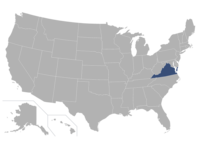
Richmond, VA