Oklahoma higher education leaders continue to explore potential of expedited college degrees
May 27, 2026 | 2:21 pm ET

Description
Students in graduation gowns holding diplomas (Getty Images)
OKLAHOMA CITY — Oklahoma officials continue to explore whether the degree programs statewide should be restructured to shorten the time it takes college students to obtain a bachelor’s degree.
Supporters say reducing the time it takes Oklahoma college students to get their degree from about 120 credit hours to 90 could make college more affordable, but critics warn that it could ultimately lead to the state having a less prepared workforce and underdeveloped degrees.
Higher education officials have been exploring the feasibility of creating an accelerated baccalaureate degree since Gov. Kevin Stitt issued an executive order demanding that the Oklahoma State Regents for Higher Education look into the issue. Stitt’s February order requires them to examine how three-year degree pathways could be implemented, which university programs might qualify and whether accreditation standards would allow for such a change.
During the current legislative session, Stitt also signed into law a measure directing the State Regents for Higher Education to study the feasibility of reducing bachelor’s degree requirements from the system to a newer 90 hour system.
“The Oklahoma State Regents for Higher Education remain committed to increasing degree completion in Oklahoma’s most high-demand fields to meet workforce needs,” said Angela Caddell, a spokesperson for the State Regents. “The State Regents are building a framework to evaluate accelerated bachelor’s degrees in terms of workforce demand, academic quality, and institutional mission.”
The order would align Oklahoma’s higher education degree programs with those of a growing number of colleges and states that have implemented similar three-year degree pathways. According to a report from Georgetown University, Oklahoma would be joining North Dakota, Indiana, Utah, Iowa, and Massachusetts who have approved testing and developing three-year degrees. Around 60 colleges have already having launched three-year credit pathways, and others are considering new programs.
Workforce shortages, rising tuition costs and declining enrollment in certain majors have pushed states and higher education institutions to explore accelerated degree programs.
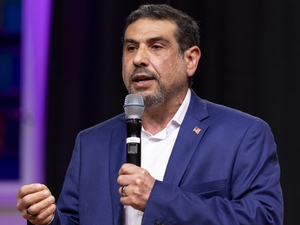
Donald LeBlanc, a University of Central Oklahoma post-graduate student majoring in theatre performance and who obtained a Bachelor’s degree in computer science in 2009, said the reducing the time it takes to get a degree would have an immediate financial impact on students.
A reduction of 30 or more credit hours could mean students, like himself, save thousands of dollars in tuition, fees and housing, he said.
For those balancing college with jobs and other responsibilities such as raising a family, graduating a year earlier may reduce debt and allow Oklahomans to begin earning full-time income from the workforce sooner, he said.
“Most employers only care that you have a degree and can do the work that they are hiring them for,” LeBlanc said. “If we are providing quality students and that they have completed the degree, then it shouldn’t affect them, but a student should be encouraged to finish a bachelor’s degree.”
Faculty are concerned about the proposal to shorten college, said Jared Johnson, an Oklahoma State University professor of media and strategic communications.
“This proposal would no doubt reduce the time and number of classes students need to take for a degree, which reduces the financial burden,” Johnson said. “But would we be giving up more of the things that benefit society beyond professional training by doing so? Until I see more detail, I am not certain.”
He said reducing credit hours would require departments to re-examine major requirements, course sequencing, and accreditation standards.
He said upper-division courses are often built on foundational courses taken in the first two years at universities, and eliminating prerequisites or condensing materials could impact student preparation for graduate school or specialized careers.
The study being conducted by the State Regents is expected to examine how similar programs operate in other states, whether certain high-demand majors could transition more easily and how financial aid and its structures would be affected.
Caddell said the review will also analyze academic quality, workforce demand, and institutional mission before any recommendations are made.
Any permanent changes would require coordination with the accrediting bodies and campus governance.
Editor’s note: This story was produced through a reporting partnership between Oklahoma Voice and the University of Central Oklahoma’s journalism program.

Oklahoma City, OK