Virginia sees gains in kindergarten readiness, but gaps persist for underserved students
Oct 15, 2026 | 5:27 am ET
Description
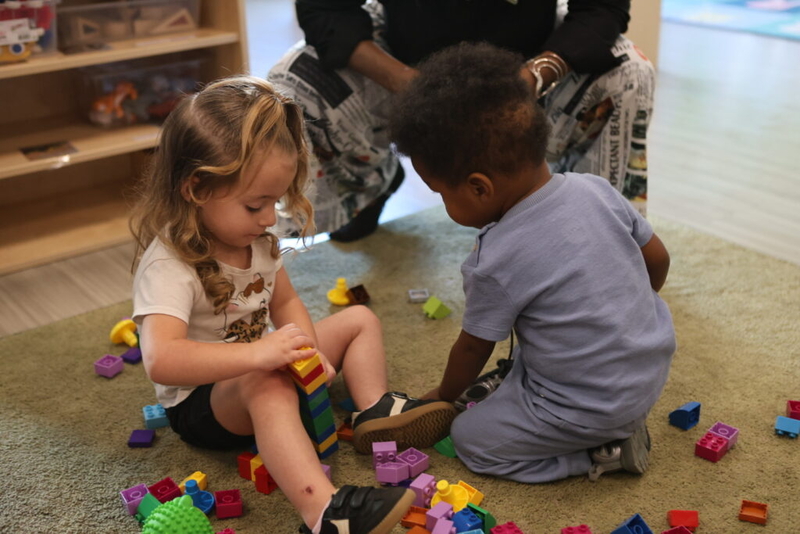
Children playing at Peake Childhood Center in Newport News in October 2026. (Photo by Nathaniel Cline/Virginia Mercury)
A new report shows Virginia students’ kindergarten readiness rose six percentage points to 57% over the past year, with underserved students making notable gains, according to the Department of Education.
Last year, state lawmakers directed VDOE and the University of Virginia’s Center for Advanced Study of Teaching and Learning to use Virginia Kindergarten Readiness Program assessment results to determine how the state’s preschool initiative promotes school readiness.
The Oct. 1 report recommends targeted teacher training, continued assessments, expanded data reporting, and individualized student supports.
“If we can get everybody coming in more ready, then it dramatically increases the likelihood they’ll be on level for reading or math by the end of third grade,” said Superintendent of Public Instruction Jenna Conway to the Mercury on Wednesday.
In 2020, state lawmakers found that 44% of Virginia’s children enter kindergarten without literacy, math and social-emotional skills. Lawmakers argued those skills are necessary for children’s success, especially for at-risk children.
Findings
The study found that kindergarten readiness is improving, rising from 51% in 2025 to 57% in 2026, with improvements among Latino children (+7%), Black children (+6%), low-income children (+6%), English learners (+5%), and children with disabilities (+4%).
Literacy readiness increased by six percentage points, while math readiness rose by two.
However, about 43% of children did not meet the overall readiness benchmark last fall.
Math and literacy skills also improved. Still, social and emotional skills remain a concern, with some children struggling to self-regulate, manage emotions and interact with others.
The data also shows that readiness gaps persist between children from low-income families, children with disabilities, multilingual learners, Black and Hispanic children and boys, who were more likely to fall below the overall readiness benchmark.
Recommendations
To improve how the commonwealth supports young children, the report recommends identifying children who are struggling earlier and paying more attention to social-emotional development.
One method to achieve this is to use assessments throughout the school year to monitor progress, identify gaps and provide additional instruction or individualized help when needed.
On social-emotional development, the agency said schools could support children’s self-regulation, social skills and well-being alongside literacy and mathematics. It also said teacher concerns should help prompt closer attention and appropriate support.
The agency also recommended that families and schools work together to improve understanding of school readiness and strengthen home-school connections. It suggested improving assessments in grades 1-3 to track children’s progress beyond kindergarten and strengthening data and reporting systems.
Other recommendations focus on better training and support for teachers so they can adapt instruction to children’s needs. Preschool programs should be strengthened, the report stated, so educators can better understand and support children’s development.
State lawmakers will discuss new legislation to implement these goals when they return to Richmond in January.
Richmond, VA