Appeals court lifts block on Florida law restricting social media access for teens
Oct 14, 2026 | 5:36 pm ET
Description
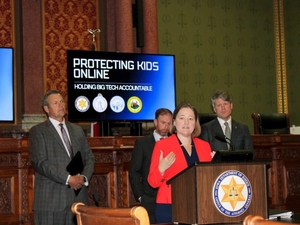
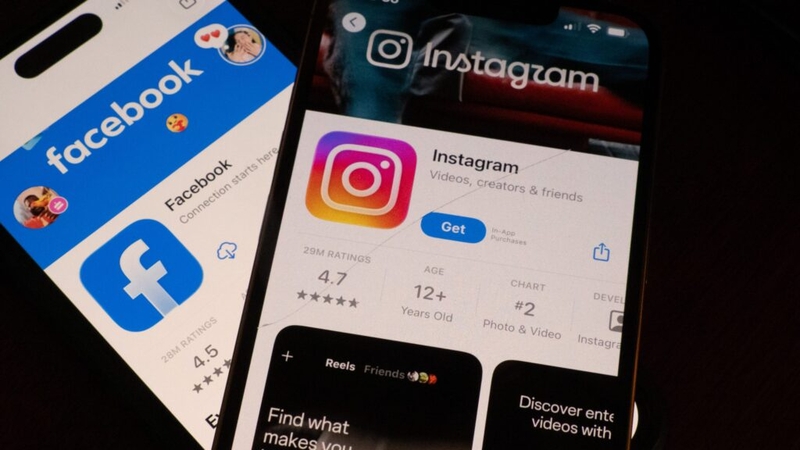
The U.S. Court of Appeals for the 11th Circuit has allowed Florida to enforce a law restricting access to social media for teens, saying it likely is constitutional and can continued to be enforced pending continued litigation. (Photo by Anna Kaminski/Kansas Reflector)
A federal appeals court panel has ruled that Florida’s 2024 law restricting access to social media for teens is likely constitutional and can continued to be enforced while the legal challenge continues.
The decision by a three-judge panel of U.S. Court of Appeals for the 11th Circuit reverses and vacates a preliminary injunction that had blocked the state from enforcing the law known as HB 3, which bars children under 14 from opening accounts on certain platforms and requires parental consent for 14- and 15-year-olds.
Although a preliminary injunction had temporarily blocked enforcement last year, the 11th Circuit lifted the injunction in November.
Two technology groups, the Computer & Communications Industry Association (CCIA) and NetChoice, had argued the law restricts users’ access to lawful content in violation of the First Amendment.
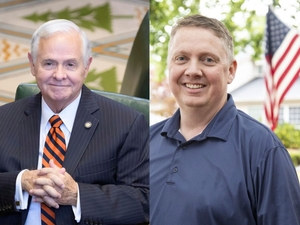
The law was championed by former House Speaker and 2026 Republican gubernatorial candidate Paul Renner but also received support from progressive Democrats like state Rep. Michele Rayner from St. Petersburg. The ban applies to platforms that deploy “addictive features” like push notifications, infinite scrolling, and auto-play.
“We hold that HB3 is likely constitutional as applied to CCIA’s members,” Judge Kevin C. Newsom wrote in the main opinion on behalf of Judges Robert J. Luck and Gerald Bard Tjoflat.
“Yes, it implicates the First Amendment and thus triggers constitutional scrutiny. But it likely does so in a content-neutral manner, and it likely survives intermediate scrutiny because it doesn’t burden substantially more speech than necessary to advance the important interest in protecting minors from social-media addiction.”
Newsom noted that the law is age-limited; restricts only teens’ ability to create their own accounts and not their access to social media; targets only platforms to which many minors are already addicted; and operates “not as an outright prohibition of platform usage but rather as a ‘conditional ban’ of sorts — namely, on platforms’ use of addictive features and algorithms.”
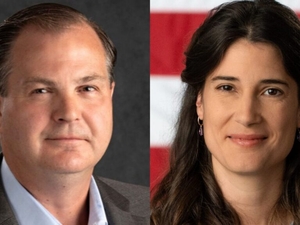
NetChoice represents Facebook, Instagram, Snapchat, Reddit, YouTube, Pinterest, Google, and other tech giants. CCIA also represents Facebook and Instagram, Google, Pinterest, and others.Representatives from both organizations expressed disappointment with the ruling.
“This ruling is deeply concerning and risks altering First Amendment protections against government interference in online speech for users young and old alike,” said CCIA president and CEO Matt Schruers in a written statement.
“It grants the government considerable power to manage how its citizens access information, based on Florida’s unsubstantiated claims about addiction. In the name of curbing overuse, the decision risks imposing identity authentication on Floridian internet users of all ages.”
“We are disappointed in the Eleventh Circuit’s ruling, which allow Florida to enforce its law imposing digital ID requirements as a condition for accessing lawful speech,” said Paul Taske, director of the NetChoice Litigation Center. “We are currently evaluating all of our options as we continue to fight to ensure Floridians’ rights to free expression online are protected, and parents remain in the driver’s seat when it comes to making decisions for their family.”
Tallahassee, FL