Vice President JD Vance: The Ohio ‘hillbilly’ who learned to punch down
Oct 23, 2026 | 3:35 am ET
Description
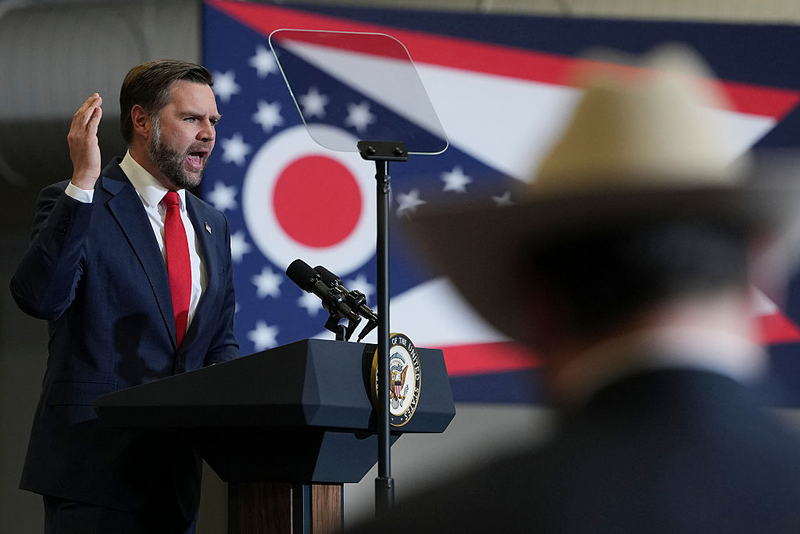
SHARONVILLE, OHIO - OCTOBER 21: Vice President JD Vance speaks during a campaign rally at the Sharonville Convention Center on October 21, 2026 in Sharonville, Ohio. Vance traveled to Ohio to campaign for local Republican candidates ahead of the midterm elections. (Photo by Jacquelyn Martin-Pool/Getty Images)
JD Vance built a national career as the Ohio hillbilly who could explain what it felt like to be looked down on. Now, as vice president, he is inviting Americans to look and punch down on others.
I am a gay man in Sandusky, Ohio. When the vice president uses the suggestion that a man is gay to get a laugh, I recognize the move. A powerful man is reminding people like me that our dignity is available for his entertainment.
Campaigning in Texas on Oct. 13 for Republican Senate candidate Ken Paxton, Vance answered a man who shouted that he loved him. He returned the sentiment, made clear it was platonic, and added: “I’m the vice president, not James Talarico.” Talarico is Paxton’s Democratic opponent.
The joke only works if being gay would make Talarico ridiculous. Without that assumption, there is no punchline. That is homophobia, delivered with the authority of the vice presidency.
Vance went further. Attacking Talarico’s statements about transgender children, he cast suspicion on Talarico’s internet search history — then admitted he was “just guessing.”
One statement he invoked came from a 2023 interview in which Talarico praised transgender children who had come to the Texas Capitol to advocate for themselves. Vance offered no evidence of misconduct.
Consider what that asks an audience to believe. A public official expresses care for children who feel threatened, and the vice president invites people to imagine something sinister. The children vanish as human beings. Their vulnerability becomes ammunition against the adult who spoke up for them.
Adults can disagree about laws affecting transgender young people. Those disagreements deserve serious arguments. Suggesting that compassion hides predatory intent poisons the debate before it starts — and warns everyone watching that defending these kids may get their own name dragged through the mud.
Ohioans are watching the same tactic on our own televisions. A Senate Leadership Fund ad attacking Sherrod Brown features a young woman who detransitioned, describing “irreversible surgery on kids like me.”
Court records show she had that surgery at 19, in Texas. Ohio has banned the procedure for minors since 2024. Whoever made that ad assumed Ohio voters wouldn’t check. We should prove them wrong.
Vance’s Ohio story makes this especially galling. He grew up in Middletown, served in the Marines, went to Ohio State and Yale Law, and wrote “Hillbilly Elegy.” Few people have had more opportunity to learn how one label can flatten a whole human life.
There are gay hillbillies, too, Mr. Vice President. They have families and hometowns. Their claim to belonging is every bit as real as yours.
Vance chose “hillbilly” as the defining word of his public introduction. People from poor and Appalachian families have the same capacity for generosity as anyone else. His conduct belongs to him, and Ohioans should refuse to let him pass it off as our regional character.
In 2016, writing in The Atlantic, Vance warned that Donald Trump offered struggling communities emotional relief without solutions. He called Trump “cultural heroin.” He understood how grievance makes people feel powerful while leaving their problems intact. That warning now describes the politics its author practices.
I have spent more than 30 years in communications. I know why this tactic works. An insinuation forces an opponent to defend his character. An anti-gay joke gives an audience permission to feel superior. The argument that follows eats the attention that should go to what candidates intend to do with power. The people being demeaned pay for the distraction.
Vance owes Talarico a withdrawal of the unsupported insinuation. He owes gay and transgender Americans a plain acknowledgment that our lives deserve respect.
Republican officials who say they welcome gay voters should say whether they accept a vice president using those voters’ identity as a punchline.
Ohioans should demand an answer, too. Vance carried our state’s name into national office. A man with his platform can afford to make an argument and stand behind the evidence.
He wrote a book about the people he came from. Ohio should judge him by the people he is willing to step on.
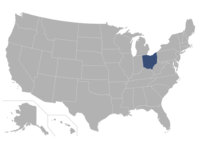
Columbus, OH