The Ohio Secretary of State’s race in the 2026 November midterm election is a battle of priorities
Oct 23, 2026 | 3:55 am ET
Description
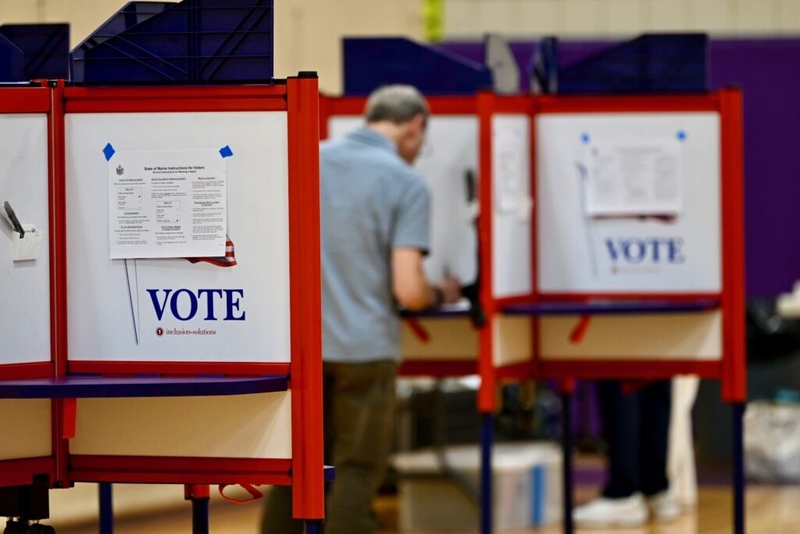
(Photo by Jim Neuger/ )
The Ohio Secretary of State oversees elections and sits on the Ohio Redistricting Commission and Ohio Ballot Board. The seat is up for open election in November, with state lawmaker Allison Russo as the Democratic nominee and current state of Ohio Treasurer Robert Sprague as the Republican nominee.
With such a powerful and important role over Ohio election administration at stake, the two candidates have outlined a significant number of contrasts between each other.
Sprague has made the keystone of his campaign his pledge to keep ineligible voters out of the ballot box, aligning himself with other Republicans including President Donald Trump, who has stood against mail-in voting and in support of strict photo identification requirements for voters.
“Our strategy is simply to get out and talk to voters, and make sure they understand the differences in the office between me and my opponent, Allison Russo, and give people a choice,” Republican candidate Robert Sprague told the Capital Journal.
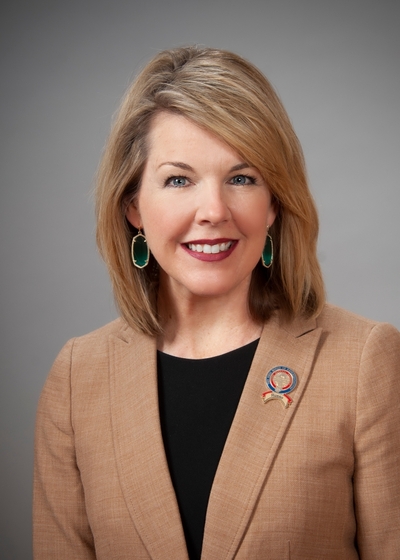
For Russo, currently the Democratic state representative for the 7th District, her role as secretary of state would be to make voting accessible through all legal methods, including early voting, mail-in voting, and ballot drop boxes.
“Voting should be convenient for our eligible citizens and voters,” Russo told the Capital Journal. “There is no evidence of any voter fraud related to mail-in voting or ballot drop boxes, that access should be protected, and our rules around that work.”
Current Ohio Secretary of State Frank LaRose is term-limited and running for Ohio Auditor, another statewide position that sits on the Ohio Redistricting Commission.
LaRose has consistently said fraud is rare and that the office’s processes in Ohio are working to keep it that way. Sprague said it’s a system that needs consistent enforcement and continuous improvement. He said voters on the campaign trail agree.
“People feel like the elections are good in the state of Ohio, but obviously it’s because we take fraud seriously,” Sprague told the Capital Journal. “We should require a photo ID for every ballot that’s cast, in person, or by mail.”
Ohio does require a valid form of photo ID by law, which is verified both at the time a voter registers to vote and at polling locations while voting.
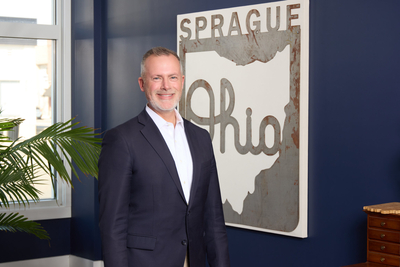
(Photo courtesy of Sprague for Ohio)
Sprague said he supports an effort spearheaded by Republican lawmakers earlier this year to make photo ID requirements part of the Ohio Constitution, a measure voters will decide on in the November general election as Issue 3.
He said voters he’s talked with in the months leading up the election “overwhelmingly” say they support adding the measure to the constitution.
Opponents of the constitutional amendment note that photo ID requirements already exist in state law, and say these efforts would only make it harder to make changes in the future, as well as open the door to further restrictions on voters.
Russo emphasized the importance of keeping voting convenient and accessible and safe for eligible voters, including options such a drop-boxes and voting by mail.
She pointed to Trump’s history of voting by mail himself in Florida as reason enough that the type of voting is appropriate for anyone who chooses.
“If it is good enough for him, it’s good enough for Ohioans,” she said.
Russo also said she plans to be a “guardrail to overreach that we see, whether it comes from this legislature or the president himself,” referencing private voter data turned over to the U.S. Department of Justice by LaRose as part of a federal demand to all states for voter registration information.
“This is about how am I going to advocate for correct information and push back against that misinformation, and how am I going to advocate for our local elections workers so that they have the resources and the training that they need to do this work,” Russo said.
Sprague and Russo also disagree on the reasons the two haven’t been seen across the stage from one another at a debate since the election season began.
One particular event to be hosted by Spectrum News 1 Ohio was set to put the two together, but while Sprague said he agreed, he said Russo wouldn’t partake.
“It’s a shame, because I don’t see how you can ask people to increase their civic participation when you won’t even talk about your ideas in conjunction with your opponent, in front of the media,” Sprague said.
In September, a spokesperson for the Russo campaign released a statement about the idea of a potential debate between Russo and Sprague, saying she “honors and values allowing voters an opportunity to hear directly from the candidates.”
“But before agreeing to a debate with Bob Sprague, we need him to stop spreading lies and half-truths and level-set on reality,” spokesperson Dennis Willard stated.
Following that comment, Russo said the team provided dates to Spectrum for a debate, but the date that was eventually chosen was a day on which Russo was unavailable. She pointed to other events, like media endorsement forums in which Sprague was unavailable.
“I don’t think he actually wants to debate, I think it’s just a political stunt,” Russo told the Capital Journal.
Sprague called Russo’s comments “a cop out.”
With the full heat of campaign season and political advertising upon them, both candidates said they’ve heard from voters about the ugliness that comes out of political campaigns, from the governor’s race to the rest of the ballot of candidates.
Russo attributes a lot of the “nastiness” to rhetoric from Trump and other Republicans.
“People are exhausted by the sort of common, fall-back lines of attacks, and people are looking at what these attacks are, attacking trans athletes, saying immigrants are overrunning our borders, and all of this nonsense,” Russo said. “They’re looking at their day-to-day lives … and it just feels very disconnected from what people are actually experiencing.”
Sprague said the current environment means polarization has led to a smaller amount of undecided voters.
“I think the change this time is there are fewer people that are undecided, but it makes it all the more important to be able to talk to them and address some of their pain points.”
Those pain points include the price of gas and property taxes, along with affordability on a general level, Russo and Sprague said.
What agreement there is between the candidates lies in a pledge to lead the office of secretary of state with qualified individuals, and with the public in mind, even if the candidates may disagree on the priorities that will drive it.
“As the chief elections officer, I think people very much understand that you can only hold elected leadership accountable and transparent for their decisions and about their decisions if you have the power of your vote, and if we maintain fair, free, and secure elections,” Russo said.
Sprague pointed to the necessity of professionalism.
“I think the most challenging thing is you want to run the office professionally,” Sprague said. “You want to have competent people running these offices.”
Early voting, military, overseas, and absentee voting have already begun in Ohio, ahead of the Nov. 3 election.
The last day for early in-person voting is Nov. 1, and absentee ballots must be received by local boards of elections by Nov. 3. In-person voting on election day begins at 6:30 a.m. and ends at 7:30 p.m.
Columbus, OH