Utility investment analysts ding Indiana amid ‘political intervention,’ potential profit cuts
Aug 27, 2026 | 5:00 am ET
Description
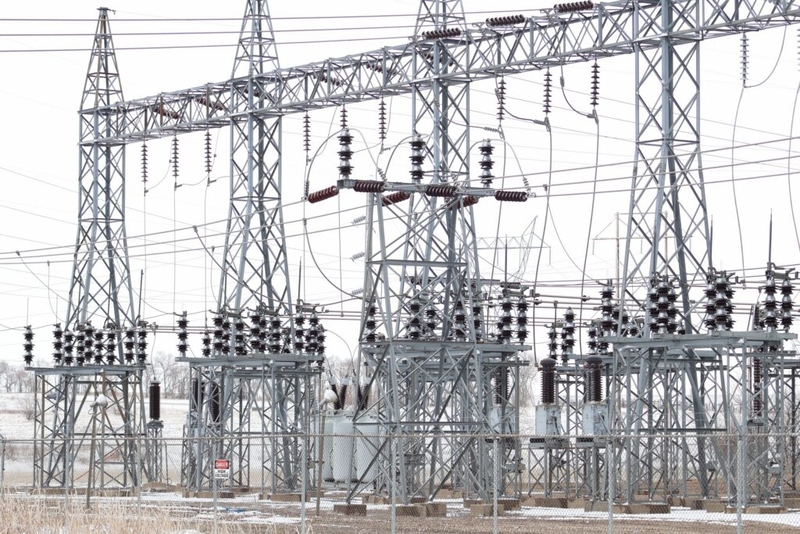
An electric transmission substation operated by Montana-Dakota Utilities in Bismarck on April 17, 2026. (Photo by Michael Achterling/North Dakota Monitor)
Prominent investment research firms are warning clients off Indiana and its investor-owned utility companies amid the disputed firing of one state regulator and discussion of lower regulator-set profits.
The Indiana Utility Regulatory Commission “wants to quantify every element of (return on equity) and risk, but didn’t mention the obvious,” equity analysts for Wolfe Research wrote in an Aug. 10 report.
“Political intervention in the regulatory process and volatility in the regulatory environment has meaningfully increased the risk and ROEs needed for investing in Indiana utilities,” they added.
A reconfigured commission is taking a look at the profit rates, or return on equity, that regulated utilities are allowed to earn. Two investigations consider changes in risk and to cost recovery mechanisms as the state moves to a multi-year, performance-based ratemaking system.
Technical conferences in those cases were held Aug. 7.
“We hope there is an appreciation of this in ROE discussion because we didn’t hear (it) at all in the initial discussion Friday but the investors who actually have to put up the capital are watching this very closely,” the Wolfe analysis of the hearings reads.
The firm also downgraded the Hoosier State’s regulatory rating for political independence from “average” to “below average” in a report that panned an “intrusive Governor and shifting commission.”
The assessment came within days of Gov. Mike Braun’s sacking of former Commissioner Andy Zay on Aug. 3, prompting an Aug. 10 lawsuit that featured dueling allegations.
Zay accused the governor of illegally firing him — “based upon political disagreement” or his “exercise of independent judgment” — for voting in favor of a controversial rate increase, while Braun alleged the former state lawmaker wrongly used campaign funds to give gifts to commission staffers.
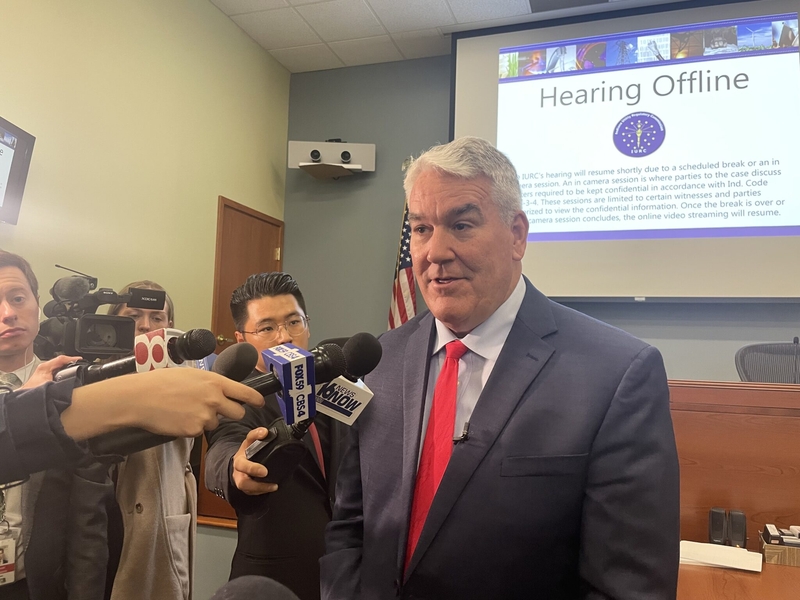
Braun announced Saturday that the state had agreed to pay $625,000 to settle the lawsuit, with neither side admitting any wrongdoing.
He has already appointed a replacement for Zay to the five-person IURC, doubling down on his push for regulators who prioritize affordability.
“Investor confidence in Indiana has materially deteriorated,” equity analysts for Jefferies Research Services wrote in their own Aug. 10 report, pointing to the IURC’s outright denial of another utility’s pricey infrastructure plan as well as “the removal of former Chair Andy Zay by Governor Braun amid criticism around ‘ratepayer consciousness.'”
The analysts dubbed the recent hearings “more cautious,” writing that investors “have braced for low-9% authorized ROEs, but normalizing elevated equity ratios closer to 50% would be an additional adverse development for estimates.”
Braun, however, maintains that utilities can still nab high profits — if performance merits it.
Utility worries, governor’s demand
Groups representing energy companies have warned that what investors think matters for their operations and therefore ratepayer bills.
“Utilities are responsible ultimately for serving their customers first and foremost,” Indiana Energy Association President Danielle McGrath said. “However, they are also responsible for making sure that they are able to finance the infrastructure required to serve those customers, and that is through a combination of both debt as well as equity” from investors.
Investment research firms can provide ratings to guide investors on whether to buy, hold or sell stocks.
But credit ratings, typically issued by one of three major firms, indicate the riskiness of investing in a specific borrower and impacts how much it costs to take out debt.
Regulation and the regulatory framework account for half of the methodology behind a credit rating.
The other half is financial strength and diversification, according to slides from the National Association of Regulatory Utility Commissioners. The organization didn’t respond to multiple requests for comment on Indiana’s current regulatory environment.
McGrath said utilities are “sensitive” to credit ratings “because a downgrade on Wall Street can show up on an electric bill at home … When investors do lose confidence in a utility, it costs real money to borrow that next dollar because the risk has changed.”
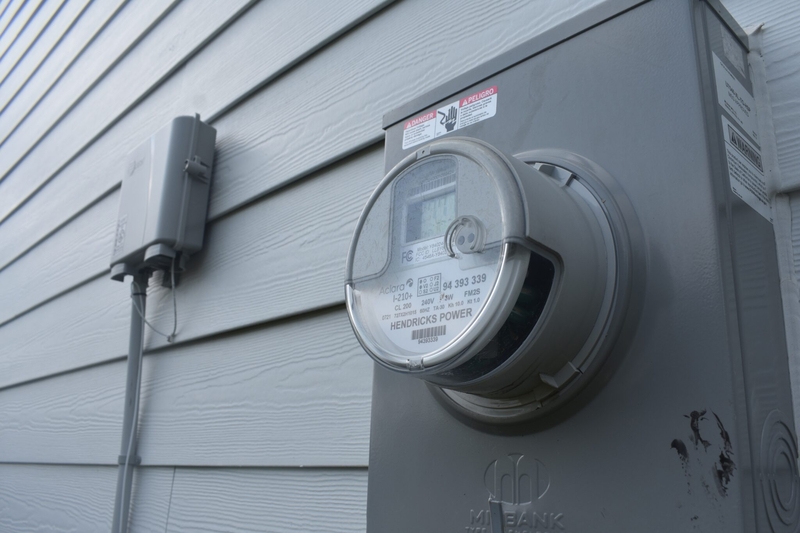
McGrath’s association represents the “big five” investor-owned utilities — AES Indiana, CenterPoint Energy, Duke Energy Indiana, Indiana Michigan Power and the Northern Indiana Public Service Company — as well as several smaller Hoosier utility providers.
She declined to comment specifically on the Zay dispute or potential profit changes, citing pending cases before regulators.
But, McGrath said, “it is to the benefit of the entire regulated community, as well as all of the other stakeholders, … to have a place where they know cases can be brought forth, that they will be reviewed thoroughly, and that the commission has the credibility that it needs to proceed as it sees fit.”
The Edison Electric Institute, which represents all investor-owned utilities across the country, said profits themselves are key to better service.
“Our members are pulling every lever available to help customers,” an unnamed spokesperson said in an email. “ROE is what allows utilities to access capital markets and invest in the infrastructure communities depend on every day to keep the lights on. If returns become too constrained or uncertain, capital flows elsewhere and, over time, that can make it more expensive to maintain and strengthen the grid.”
Braun called on Hoosier utilities to show they’ve earned high profits.
“The top priority for (investor-owned utilities) should be affordability and reliability for ratepayers,” he said in a statement to the Capital Chronicle. “If they deliver on that, then shareholders should have an opportunity to make a reasonable return on their investments, but no guarantee if they don’t hold up their end of the bargain on affordability.”
House Enrolled Act 1002, which Braun approved in February, creates a performance-based ratemaking process for investor-owned electricity providers, with financial bonuses or penalties based on affordability and service restoration after outages. Rates will be set for three years at a time.
The law also requires utilities to have assistance programs for low-income customers, bans service shutoffs for such customers during peak heat and puts all Indiana households on predictable or “levelized” billing plans.
Asked how the administration is balancing between support for ratepayers and being open for business, Braun said, “Indiana is a great place to do business, especially the energy business.”
“We have abundant natural resources to power the grid and a business sector that drives demand for reliable energy,” he continued. “That’s why independent power producers are knocking on the door to find opportunities in Indiana to build more power generation and compete for customers.”
The investor analyses identified Indiana’s focus on energy and economic development — including data centers — as a bright spot.
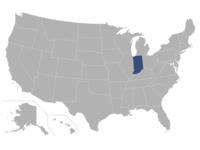
Indianapolis, IN