Tuskegee students question focus on dress code changes
Aug 20, 2026 | 6:01 am ET
Description
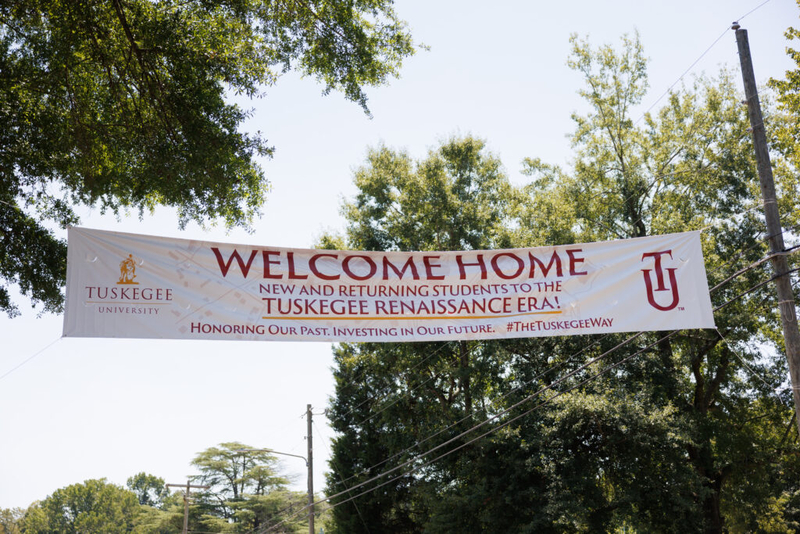
A banner hangs across the main road through Tuskegee University welcoming new and returning students on Wednesday, August 19, 2026 in Tuskegee, Ala. Tuskegee students Wednesday questioned the focus on dress code changes made over the summer. (Estela Muñoz for Alabama Reflector)
TUSKEGEE — If there are dress code issues with students at Tuskegee University, they weren’t apparent on Wednesday.
The first day of class at the Historically Black University saw many students in a range of outfits, from full suits to streetwear. Others dressed more casually in t-shirts and sweatpants. But few if any seemed to be in violation of a new dress code imposed by university officials over the summer.
“Students are prohibited from wearing revealing clothing in class, to the cafeteria or in official settings like Convocation,” Tuskegee University President Mark A. Brown wrote in a letter to students over the summer. “They are also not able to wear bedroom shoes, bonnets, or (do rag) to class or the cafeteria,” the statement said.
It’s unclear how the policy will be enforced. The statement from Brown said “faculty will be empowered to respond to students who are inappropriately dressed based on these guidelines.”
A Tuskegee University student handbook for the 2025-26 school year also gave guidelines for student attire, but did not mention rules of enforcement or penalties for violating the dress code.
The university declined to comment on the new policy. The announcement of the dress code was the subject of debates on social media and sparked conversations about respectability politics on college campuses.
A range of opinions
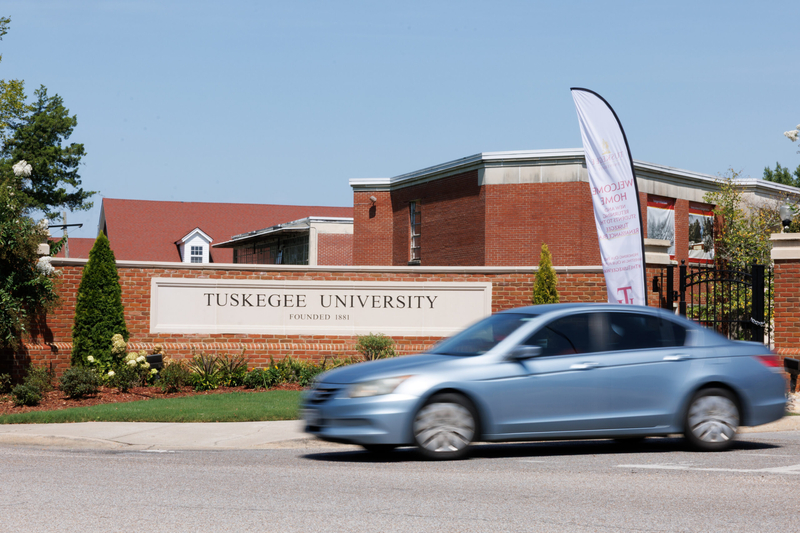
Tuskegee students on campus for their first day of class seemed to have a range of opinions about the new dress code.
Serenity Mitchell, a junior at Tuskegee majoring in biology, said the public manner of sharing the dress code painted students in a bad light.
“I think that releasing it in the way that they did made it look like students were kind of walking around here looking any type of way, and that’s just not true,” Mitchell said. “We as a student population represent ourselves well, so I think publishing the dress code like they did just makes us look bad.”
Mitchell also disagreed with the university imposing the same dress code on the school cafeteria.
“It’s essentially our kitchen. For most people who are living in a dorm, you don’t have anywhere else to eat,” she said. “It’s not an everyday, common occurrence to see people with bonnets or pajamas on. And if you do see them in the (cafeteria), it’s because it’s either super late at night for dinner or super early in the morning for breakfast.”
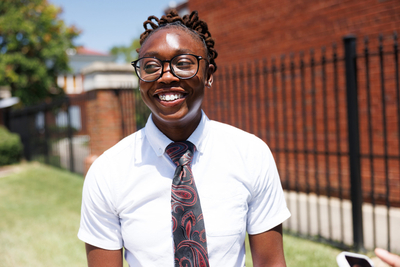
Jamari Blackmon, a freshman biology major, said he did not wear the items prohibited under the policy. But he also felt that the focus on clothing was misplaced.
“They should just let students be as free as they want as long as they get their education in my opinion,” he said.
Nailah Ashi-Sulaiman, a sophomore political science major and legacy student at Tuskegee, said the new dress code prevented students from expressing themselves through fashion and that students’ clothes have never been a large issue on campus.
“A lot of students are actually required to wear business casual attire for their majors. So it’s not like we’re going around here wearing anything,” Ashi-Sulaiman said. “For the most part, as long as I’ve been going here, I’ve always seen students dressed for success.”
Some students said they didn’t see a real issue with the dress code. Jamiyah Jones, a junior transfer student and basketball player at Tuskegee, said she understood why the dress code is needed.
“I think it’s a little strict definitely because we’re in college, but you really got to think about it when you look at this campus,“Jones said. “I’m not mad at the dean or the person that’s over the school to change the dress code, because I wouldn’t want the students attending my school in bonnets or do rags, or they walk in there with their slides on or it looks like they just got out of bed.”
Nathan Sullivan, a freshman mechanical engineering major, called the policy a “good rule.”
“Your presence is very important in the world we are in today, so coming up to class (in) your best dress is definitely a good thing,” he said.
Sullivan said he understands why there might be controversy around the dress code, but that “anywhere you go, you want to be presentable.”
Ashi-Sulaiman said she hopes the university listens to the opinions about the new policy.
“I just hope they’re taking everything into consideration and having open ears about everything,” she said.

Montgomery