Trump greenlights 14.5 million-ton coal expansion in Wyoming
Aug 11, 2025 | 4:39 pm ET
Description
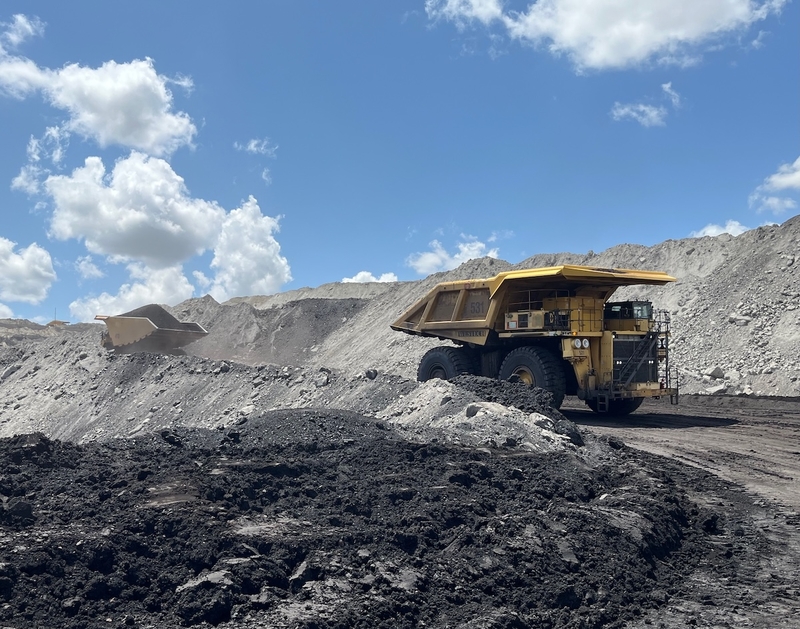
Photo courtesy of WyoFile
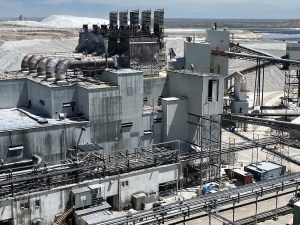
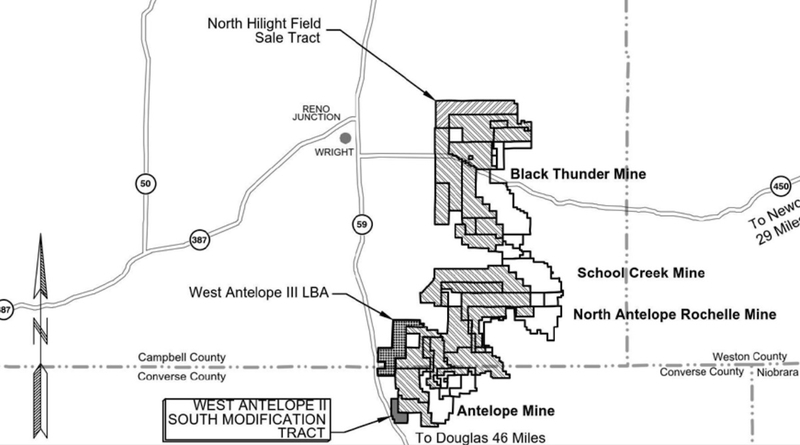
One of Wyoming’s largest coal mines just unlocked more than 14 million tons of federal coal in the Powder River Basin, a little more than half the volume the mine produces in a year, according to the company.
The Office of Surface Mining Reclamation and Enforcement approved the West Antelope II South Tract Mining Plan Modification last week under the direction of the Trump administration, which is “delivering on its promise to revitalize American coal and unleash our nation’s energy potential,” Secretary of the Interior Doug Burgum said in a prepared statement.
The newly accessible 14.5 million tons of coal will allow the Antelope mine to continue its progression westward toward Highway 59 in Converse County. The mine, operated by Navajo Transitional Energy Company, produces 20-25 million tons of coal annually and employs about 400 miners, according to the company. It’s the third-largest coal mine in the nation in terms of production, federal records show.
The action is in line with President Donald Trump’s executive orders to “reinvigorate” the U.S. coal industry, according to administration officials. “As global instability continues to threaten energy markets, the need for reliable, domestic coal has never been clearer,” Acting Assistant Secretary for Land and Mineral Management Adam Suess said in a prepared statement. “This action underscores our commitment to commonsense permitting, environmental stewardship and energy dominance.”
In addition to unlocking a backlog of federal coal mining plans, the Big Beautiful Bill helps the industry, administration officials say, by lowering its federal mineral royalty from 12.5% to 7% — an estimated $50 million annual revenue loss to the state of Wyoming. Generally, federal mineral royalties are split 50-50 between the feds and the government of the state in which the mineral production took place, but state lawmakers have asked that Wyoming receive a larger slice of that pie given the projected revenue loss.
More coal leasing to come
The Antelope mine expansion technically could have been approved under the Biden administration’s ban on new federal coal leasing in the Powder River Basin because the mine had already obtained the coal lease and its proposed mining plan was initiated before the 2024 “no future coal leasing” plan for the region, according to industry officials. But action on the new mining plan had basically stalled out under the previous administration, according to Wyoming Mining Association Executive Director Travis Deti.

“This particular [Antelope mine lease action] has been pending with the Office of Surface Mining for some time,” Deti told WyoFile via email. “While it technically could have happened under Biden, the agency basically stopped all work on program amendments during his term. Language passed in the Big Beautiful Bill directs the Secretary of the Interior to expedite existing leasing action, and so it’s refreshing to finally see some movement.”
Gov. Mark Gordon hailed the Trump administration for taking action on a coal mining plan that lingered under Biden, and said he eagerly awaits approval of another stalled plan in southwest Wyoming.
“While this announcement is a positive step forward, we are also keenly aware of a pending decision on the Black Butte Mine expansion in Sweetwater County, which was also halted by the previous administration,” Gordon said in a prepared statement.
The Interior on Monday launched a 10-day public comment period for Black Butte’s proposed “mining plan modification,” which would tap an additional 9.2 million tons of federal coal. A public meeting will be held virtually from 5:30 p.m. to 7:30 p.m. on Aug. 18. Visit this federal website and click on the Black Butte tab for more information about the meeting and how to submit a comment.
Meantime, the U.S. Bureau of Land Management plans to amend resource management plans for its Buffalo and Miles City, Montana, field offices to undo Biden’s leasing ban in the Powder River Basin, which spans northeast Wyoming and southern Montana, and to “identify areas that may be suitable for future coal leasing.”
Wyoming coal production has ticked up slightly so far this year after dipping below 200 million tons last year for the first time in decades, according to federal data.
Cheyenne, WY