Trump administration sues Denver over law enforcement mask ban
Oct 09, 2026 | 6:01 pm ET
Description
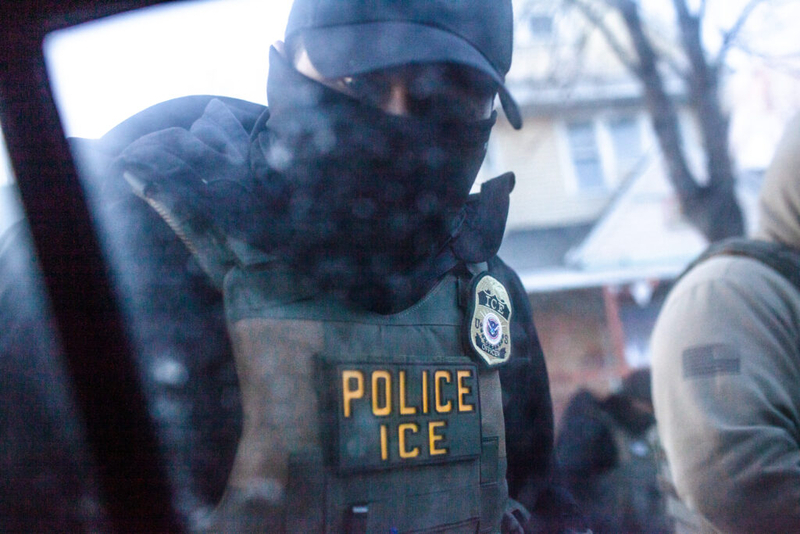
A masked U.S. Immigration and Customs Enforcement agent knocks on a car window in Minnesota on Jan. 12, 2026. (Photo by Nicole Neri/Minnesota Reformer)
The U.S. Department of Justice Thursday sued Denver over a city ordinance that bans law enforcement officers from wearing masks.
Denver City Council unanimously adopted the policy in March in response to U.S. Immigration and Customs Enforcement officers wearing masks to conceal their identities. It applies to federal, state and local law enforcement, and says officers must show identification upon request.
In a statement announcing the lawsuit, filed in the U.S. District Court of Colorado, the Department of Justice said the law threatens the safety of federal officers “who are already facing an unprecedented wave of harassment, doxxing, and even violence.”
“The Denver masking and identification ordinance directly regulates federal law enforcement operations and threatens severe consequences for officers and public safety alike,” Assistant Attorney General Brett A. Shumate said in a statement. “The Federal Government gets to decide which equipment federal officers may or may not wear when performing their official duties.”
Jon Ewing, a spokesperson for Mayor Mike Johnston, said the city is prepared to defend the law in court. He said he is unaware of any incidents where the city has had to enforce the law since it passed, “and we’re hoping to keep it that way.”
“But other cities have had incidents with masked law enforcement and clearly, with this action from the Trump Administration, ICE would like to keep wearing them,” Ewing said in a statement.
A federal appeals court in April blocked California’s mask ban for law enforcement officers, saying it violates the U.S. Constitution’s supremacy clause, which prohibits states from regulating federal operations. Other states with laws that ban federal law enforcement officers from concealing their identities, including Oregon and Washington, have yet to be challenged by the Trump administration.
The administration is seeking a court order that declares the Denver law violates the supremacy clause, declares the city has “no authority” to enforce the law, and permanently prohibits the city from enforcing it.
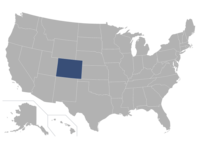
Denver, CO