State expands nursing home guidelines, allows some visitations
Oct 17, 2021 | 8:38 pm ET

Description
Getty Images
A new emergency order from the Michigan Department of Health and Human Services (DHHS) issued this week will increase nursing home visitation access in some circumstances, with additional guidelines to prevent COVID-19 spread in the facilities.
“As we grapple with both colder weather and rising cases, our task is to increase access to visitation in ways that do not increase the spread of the virus,” DHHS Director Robert Gordon said. “Visitation is a substantial source of risk. This order provides a plan for visitation that mitigates risk and continues necessary protections in facilities across the state.”
The emergency order will take effect Monday and remain until further notice from DHHS.
Under the order, visitation rules are now linked to the risk level of the county according to the MI Safe Start Map. Indoor resident visits are permitted if a facility is located in areas with risk levels A, B, C or D, has had no new COVID-19 cases in 14 days and is not prohibited by the local health department from having visitations.
Facilities in risk level E counties, where average daily cases per million are higher than 150 and/or the positivity rate is higher than 20%, are still prohibited from allowing indoor visitation.
Outdoor visitation is allowed in all Michigan counties, as long as there are six feet maintained between all individuals and there is adequate protection from weather elements.
4.7K deaths, more than 48.3K cases of COVID-19 reported in Michigan
The county risk levels and type of visit will also determine whether visitors will be required to undergo a COVID-19 test prior to entry. Face masks are required at all times by visitors, in addition to a general six-foot distance from residents.
The six-foot social distancing rule exempts visitors who are there to provide daily activity support, medical or non-medical services to residents that require physical contact. Those who are participating in end of life visits may also be exempt from social distancing as long as the visit is no longer than 15 minutes, the resident is not COVID-19 positive and the visitors are wearing appropriate PPE.
“This is a delicate balance of trying to prevent the further spread of the virus while still allowing for family members and friends to visit their loved ones in residential care facilities,” said Dr. Joneigh Khaldun, chief medical executive and chief deputy for health at DHHS on Thursday. “I remain concerned about the increase in case levels across the state, so it will be vitally important that the order be followed closely in order to keep the facilities safe and prevent the spread of the virus.”
Further guidelines include time limits on visits, requirements for visitors to leave contact information and agree to contact tracing protocols, a limit of two visitors per visit and a health evaluation of everyone entering the facility.
The new rules will also require residential care facilities to limit communal dining and group activities, put new guidelines in place to ensure employees, residents and their loved ones are informed of COVID-19 cases as soon as possible, report cases to their local health department, comply with contact tracing efforts, keep inventory of the facilities’ personal protective equipment (PPE) and more.
Violating the DHHS emergency order will be punishable by a civil fine of up to $1,000, and possibly a misdemeanor punishable by imprisonment for up to six months and/or a fine of up to $200.
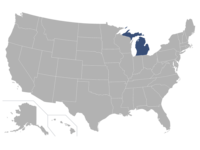
Lansing, MI