Spending $2M on festival while funding for vulnerable families is on chopping block is tone deaf
May 26, 2026 | 5:55 am ET
Description
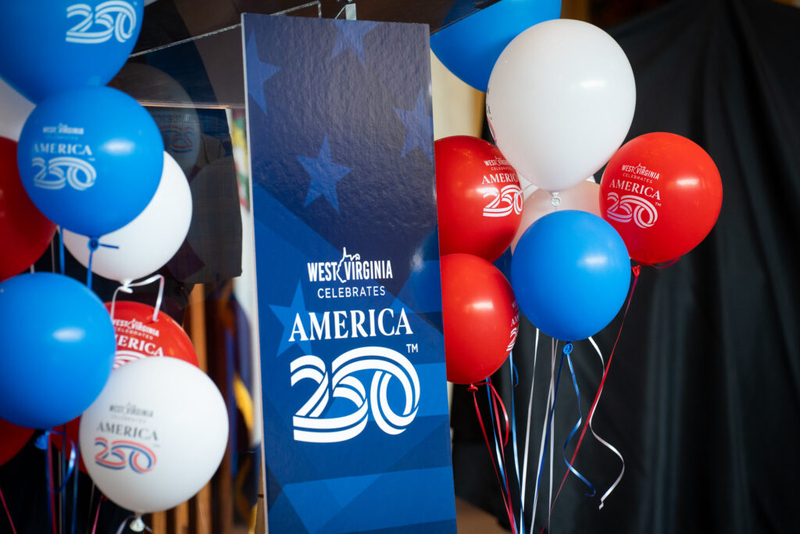
Charleston, West Virginia's America 250 event, which will celebrate the 250th anniversary of the signing of the Declaration of Independence, is expected to cost at least $2 million. (Photo courtesy of the West Virginia Office of Gov. Patrick Morrisey)
The day after announcing an audit that found ways the state could eliminate millions in “wasteful spending,” Gov. Patrick Morrisey announced plans for a $2 million America 250 event. The four-day event, to celebrate the 250th anniversary of the signing of the Declaration of Independence, will occur at the same time as the Charleston Sternwheel Regatta just two miles down the road.
Last Monday, the governor announced that the state paid BDO USA around $1 million to perform an audit of three state agencies — the West Virginia Department of Homeland Security, the Department of Transportation and the Department of Human Services.
The audit found up to $168 million in potential savings. That doesn’t mean that any of those savings will actually happen, just that it may be possible for the state to save that much if it accepts the report’s recommendations.
Within the Department of Human Services, Morrisey said the state hopes to save $68 million. Near the end of the same news conference, he said Temporary Assistance for Needy Families is operating at a projected $43 million deficit. TANF is a federal block grant that pays for several children’s programs in West Virginia, including one that helps childcare assistance and a voucher program that helps low-income families afford school clothes.
Just 28 hours later, the governor held another news conference to announce the America 250 celebration.
The event sounds quite similar to the Charleston Sternwheel Regatta, which will be held just down the road. The Regatta also has free admission, rides, food trucks and will have performances from Wynonna Judd, Melissa Ethridge, Bobby Brown, Bow Wow, Montell Jordan, Bret Michaels, Lita Ford, Tonic and Vertical Horizon. Morrisey did not announce the musical acts performing at the America 250 event.
Funding for America 250 will come from the Governor’s Civil Contingent Fund, which receives funding from the legislature each year. While legislators may earmark that money for certain projects, it is largely used at the governor’s discretion.
This money has been used to fund things such as new lights for an outdoor theater production, paving a library’s parking lot and sponsoring a race car.
State employees will likely be given July 3 off for the July 4 holiday, but what about July 2? It’s difficult to find parking at the Capitol on a normal day, and almost impossible during the legislative session. Will employees be given another day off while a carnival is outside their offices? Surely not since the governor wouldn’t declare Juneteenth — a federal holiday — a state holiday last year.
At the time, Morrisey’s press secretary said that, “Due to the continued fiscal challenges facing West Virginia, state government will not be sponsoring any formal activities” for Juneteenth. It sounds like the state could have taken at least a couple thousand out of the Governor’s Civil Contingent Fund to celebrate the end of slavery in the United States.
And while $2 million is not much compared to the $43 million deficit TANF is facing, it is still a significant amount of money.
How can you hint at cutting TANF’s budget one day, and the next day expect people to be excited about the world’s tallest portable Ferris wheel coming to the state Capitol when many families don’t even have money to feed or clothe their children?
Family Resource Networks, which could see potential funding cuts if TANF’s deficit isn’t addressed, offers things like parenting classes, GED support, job training and support to grandparents who are raising their grandchild, which nearly half of West Virginia grandparents do.
If the state can save at least $68 million in the Department of Human Services, why not just shift $40 million of that over to TANF?
It’s great that the state is taking action to save money. But most West Virginians won’t care or even notice it. What they will notice is that they’re no longer receiving vouchers to buy clothing for their children or that they can no longer afford to pay for childcare because TANF’s budget was cut.
Charleston, WV