South Dakotans condemn endangered species rule change as state government takes no position
Aug 03, 2026 | 2:00 pm ET
Description
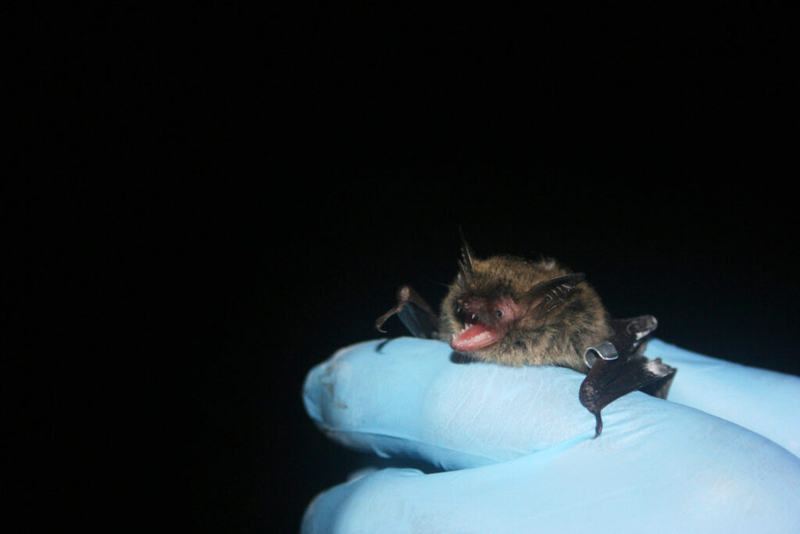
The U.S. Fish and Wildlife Service designated the northern long-eared bat, found in the Black Hills, as an endangered species. (Courtesy USFWS)
The state of South Dakota did not submit official comments on a major change to the federal Endangered Species Act that will roll back protections for forests, wetlands, deserts and other habitats where endangered species live.
The new rule will open some landscapes to development, logging, mining, and oil and gas drilling, due to a more limited definition of “harm” as actions that directly injure or kill endangered species. A previous definition included harm to habitats where endangered species live.
Some South Dakotans blasted the rule change, which was finalized July 10. Their comments were among more than 350,000 submitted during the public comment period.
The feds no longer protect endangered species habitat. States say they can’t pick up the slack.
The South Dakota Ornithologists’ Union submitted comments saying the rule change will “wantonly put us on a path to massive loss of species.”
Lester Flake, a distinguished professor emeritus of wildlife at South Dakota State University, described the new rule as “a crazy move by President Trump that must be stopped.”
Caitilin Kane described herself as “a voter from South Dakota, where a large part of our livelihood depends on maintaining healthy ecosystems and protecting endangered species of all kinds, both plant and animal.”
“I beg you, please do the right thing, and strengthen and maintain regulations protecting our native species here in South Dakota and across the country!” Kane wrote.
John Weidler, a biologist for the South Dakota Department of Game, Fish and Parks, submitted personal comments calling the move “incredibly harmful to wildlife.” He criticized the new rule’s more limited definition of “harm” as actions that directly injure or kill endangered species. The previous definition included harm to habitats where those species live.
“To define ‘harm’ as only directly harming a plant or animal is pretty stupid from a biological point of view, because no organism can survive without habitat,” Weidler wrote. “Destroy the habitat and the organism will eventually die.”
The South Dakota Department of Game, Fish and Parks did not submit an official departmental comment on the rule; nor did the South Dakota Department of Agriculture and Natural Resources.
Game, Fish and Parks spokesperson Nick Harrington replied to South Dakota Searchlight with a written statement, but he did not address Searchlight’s questions about the department’s position or whether the department has the staffing and funding to adequately protect endangered species under the new rule.
“Our department maintains a list of state threatened and endangered species, but also tracks those on the federal list as some can overlap,” Harrington wrote. “Conservation efforts for all wildlife is the responsibility of GFP and biologists and managers of multiple disciplines engage in these conservation activities.”
Some other states expressed concerns about the proposal, saying it would threaten their plans to safeguard endangered species.
At least one state contradicted itself.
North Dakota’s Game and Fish Department submitted comments against the change, saying “there is clear consensus that habitat loss, destruction, and fragmentation are significant contributors to species declines” and “there can be no doubt that the loss of habitat-focused programs and strategies for species recovery would ultimately lead to further declines.”
But North Dakota’s Department of Agriculture submitted comments in favor of the change, especially the narrower “harm” definition. Doug Goehring, North Dakota’s agriculture commissioner, wrote that the new definition “will restore and protect private property rights and further positive land development.”
Federal officials described the rule as a move to give state leaders freedom to manage wildlife without burdensome federal regulations. States that wish to continue protecting habitats can do so under state law, the Interior Department and other federal agencies wrote in their new regulations.
But some legal experts and many wildlife veterans say that almost no states have endangered species laws on the books that allow state officials to prevent habitat destruction in the name of saving wildlife. Many states have laws to stop poaching, but the protection of nesting trees, spawning streams and other resources has long fallen to the federal Endangered Species Act.
Portions of this story were written by Alex Brown and originally published by Stateline, which is part of States Newsroom, a nonprofit news network that includes South Dakota Searchlight and is supported by grants and a coalition of donors as a 501c(3) public charity.

Pierre, SD