Sierra Club calls for renewable energy to be part of Iowa steel mill deal
Oct 14, 2026 | 5:52 pm ET
Description
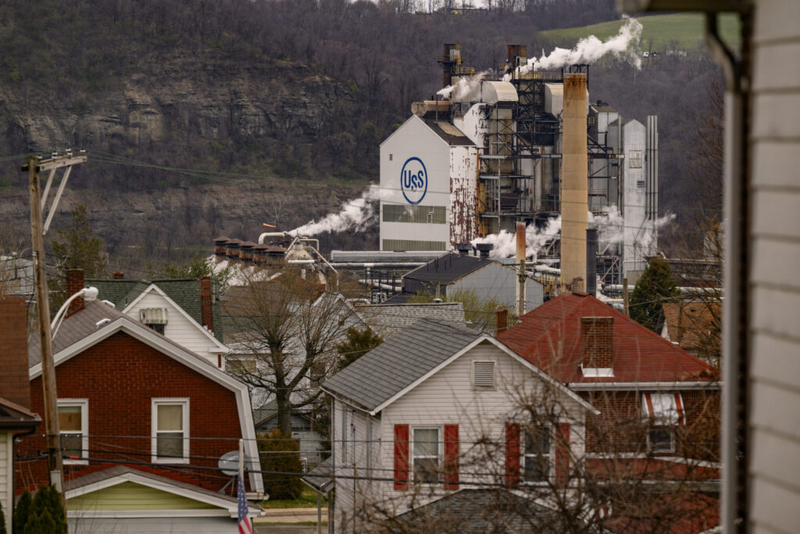
Sierra Club Iowa Chapter is calling for renewable energy and local job requirements in tax incentives offered to a massive steel plant slated for Iowa. Pictured is a steel plant in Pennsylvania. (Photo by Jeff Swensen/Getty Images)
The Sierra Club Iowa Chapter urged Iowa leaders Wednesday to require provisions including renewable energy infrastructure, air pollution controls and commitments to work with the local community when authorizing incentives to a massive steel plant slated for southeast Iowa.
The environmental group sent a letter Wednesday to Iowa Economic Development Authority Director Debi Durham with a list of recommendations to include as the department intends to issue a tax credit to a $15 billion steel plant project.
President Donald Trump announced in late September that the steel company Mesabi Metallics planned to build a $15 billion steel mill in southeast Iowa.
Lawmakers responded by swiftly returning to the Iowa Capitol for a special session, where they passed and Gov. Kim Reynolds signed a bill allowing IEDA to authorize a tax credit to a business for up to 10% of its qualifying investment in a rural county. The bill doubled the previous tax credit cap IEDA could issue under the Major Economic Growth Attraction, or MEGA, program.
The letter from Sierra Club said the mill could be “among the cleanest and most modern in the country” if the group’s ideas are included in negotiations on the terms of an incentive package for the plant.
“Failure to adequately enforce the below items jeopardizes this prospect as dirtier steel and iron is priced out of international markets, fossil fuel prices create uncertainty for primary manufacturers, and communities and workers organize to oppose projects that increase local burdens,” the group said in the letter.
Sierra Club supports an end to coal-fired power plants and each year issues its “Dirty Truth” report, which rates utilities across the country on their plans to retire coal plants and to build renewable energy infrastructure.
The Iowa chapter of the group urged IEDA to include a provision in the tax incentive deal that Mesabi Metallics must either procure or produce “new renewable energy generated from wind, solar, geothermal, and/or batteries for its operations’ electricity and heat needs.” They also said the company should work with Iowa utilities to ensure the cost of new electricity generation or infrastructure upgrades are not passed along to ratepayers.
Sierra Club said the mill, which would use iron ore mined in Minnesota, should implement “as much electric equipment as possible” at the mill.
In a news release from the company, Mesabi Metallics said the plant would “be one of the most efficient and environmentally friendly facilities in the world.”
The company plans to utilize hot direct-reduced iron technology to take the iron ore and convert it into solid metallic iron and electric arc furnace technology to recycle materials and produce the steel. Keeping the materials hot and using an electric furnace with these technologies will “significantly lower energy usage and reduce emissions” according to Mesabi.
Sierra Club also suggested Iowa’s incentives require the plant to use “covered- and zero-emissions trucks,” implement best available control technologies for air pollutants and to develop a “credible path” to procuring and using green or geologic hydrogen.
Trump said the plant would be the largest in the U.S. and one of the largest steel mills in the world. Once fully operational, the company has said it will employ at least 1,750 full-time employees. The company anticipates over 6,000 jobs during the construction of the plant.
The list of recommendations from Sierra Club also called for a commitment from Mesabi for a minimum number of local hires and a commitment to not interfere with union organizing activities.
Mesabi Metallics has said it plans to utilize “local vendors” during construction “to support additional job growth throughout the area.”
The Iowa Economic Development Authority did not respond Wednesday to a request for comment on the letter.
In a news release about the club’s demands, Sierra Club Iowa Chapter Director Pam Mackey Taylor said Iowans deserve “enforceable commitments that protect their health, lower pollution, support good union jobs, and deliver lasting benefits to local communities.”
“These commitments must be credible, put in writing and backed by real consequences if the company fails to deliver,” Mackey Taylor said. “We know Iowa can attract businesses on the cutting edge of clean American manufacturing, and while we can offer incentives to ensure these companies build here, we can also not sacrifice healthy communities and a just economic future in the process.”
Des Moines, IA