Restricting abortion pill endangers health, safety and freedom
Feb 17, 2026 | 5:55 am ET
Description
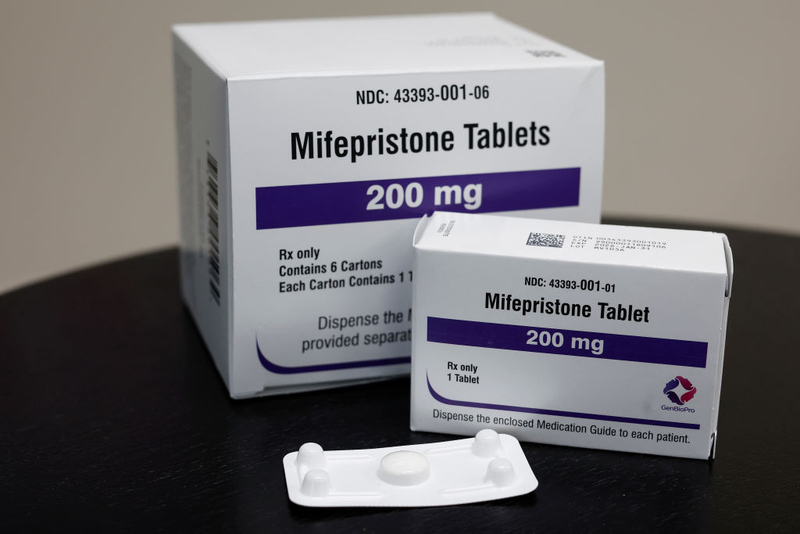
Packages of Mifepristone tablets are displayed at a family planning clinic on April 13, 2023 in Rockville, Maryland. (Photo illustration by Anna Moneymaker/Getty Images)
West Virginia’s Legislature has advanced Senate Bill 173, a law blocking the most common abortion medications — mifepristone and misoprostol — by mail. Under the proposal, individuals could face 3 to 10 years in prison. Providers risk losing their medical licenses for prescribing them across state lines. The intent is to close the so‑called “loophole” for women accessing abortion pills from out‑of‑state prescribers or telehealth services.
Sen. Chris Rose, R-Monongalia, the bill’s lead sponsor, framed the measure as a moral imperative. West Virginia Watch’s Lori Kersey reported that he said, “We will fight from the womb to the tomb to preserve every human being.” He insisted the Legislature is defending “life, liberty and the pursuit of happiness even for the unborn.” But here’s the deal: Being pro-life and anti-abortion are two different things.
Hypocrisy alert: the party that preaches personal liberty and small government does a 180 when it comes to women. It’s a power grab. They demand complete hegemony, not only of your body, but your mailbox, too.
Abortion is not some sort of rogue, unusual concept. It’s considered a basic component of women’s health care around the world. The Guttmacher reproductive health policy survey shows that 1 in 4 women will have had an abortion by age 45.
Safe abortion care should be a human right. According to the United Nations, it is something all women should have safe access to.
Let’s start with the basics: Mifepristone — used with misoprostol — is the most common method of abortion across the United States. It accounted for about 63% of clinician‑provided abortions in 2023 according to the Guttmacher Institute. These drugs have been FDA‑approved for over two decades.
This law isn’t about safety as some West Virginia politicians claim. It’s about control. We keep moving backwards into the dark ages. It further isolates a state already hostile to reproductive autonomy.
And here’s something else: MAGA’s goal is to stop abortions, but this doesn’t do that. Extensive global research and World Health Organization data show restrictive abortion laws do not lower abortion rates. Instead it dramatically increases unsafe abortions. So much for protecting women’s safety.
According to a Society of Family Planning report, after the U.S. Supreme Court overturned Roe v. Wade, interstate travel for abortion rose dramatically, as you might expect. Telehealth and abortion care by mail became a lifeline. It rose to nearly 27% of all U.S. abortions by mid‑2025.
West Virginia already has a near‑total abortion ban. And SB 173? It would add further layers of punishment. These bills operate in a political environment that often rejects birth control access, comprehensive sex education and social safety nets for the economically disenfranchised.
The war on women is real. And keeps worsening. Draconian laws such as these make our state look bad and make this a worse place to live for all West Virginians.
Let’s be clear: Women will travel to Ohio, Maryland, Pennsylvania and other border states where care is legal. Doctors will avoid practicing here. Families are less likely to feel safe living in a place that does not offer comprehensive medical care.
This bill is anti-freedom and anti-family. It’s alarming. Basically, the Legislature is in your bedroom with a pen determining your choices.
SB 173 is regressive, dangerous and against medicine and science.
After passing the Senate — everyone voted yes but one — SB 173 now moves to the West Virginia House of Delegates for consideration. Hopefully they have more sense than the Senate to stop it. Women’s health care should not be a crime.
Charleston, WV