Public defenders accuse two Detroit judges of attempting to break their strike
Sep 01, 2026 | 4:00 am ET
Description
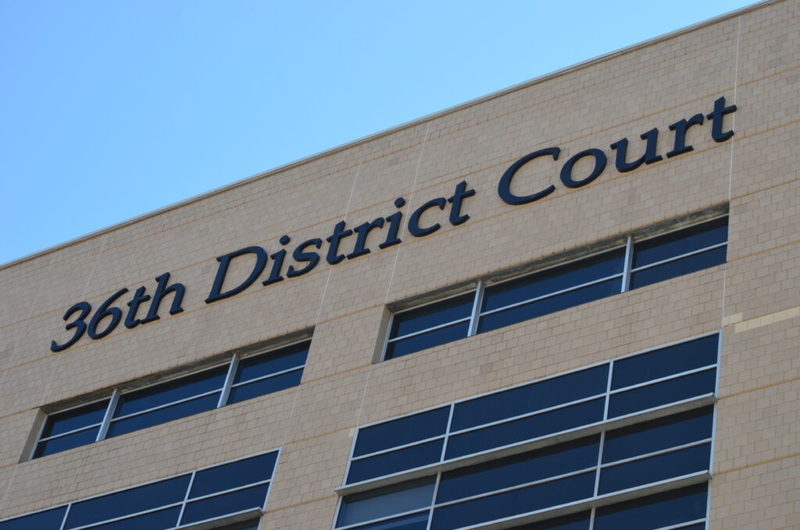
Detroit's 36th District Court | Ken Coleman
Wayne County public defenders and their union allege that two judges effectively attempted to strikebreak by accusing three attorneys of contempt for refusing to cross the picket line and represent clients.
The judges, at the Third Circuit Court and 36th District Court, ordered the public defenders to return to work without a contract in July, which the attorneys refused to do. In what the attorneys described as highly unusual moves, the judges effectively initiated criminal proceedings against attorneys with the Neighborhood Defender Service, or NDS.
Two public defenders, Megan Gokey and Daniel Eichinger, faced a hearing in Third Circuit Court on Friday. They are members of UAW Local 2325, the Association of Legal Advocates and Attorneys, which represents more than 80 Detroit NDS staffers.
Attorneys hired to represent the public defenders wrote in a motion that federal and case law allow the defenders to strike, while Gokey and Eichinger said they arranged for others to cover their cases and that their clients supported their decision to picket.

The union also noted that staff were locked out of their offices and email accounts, so they could not have represented their clients even if they wanted to cross the picket line.
Gokey said allegations that she was in contempt and indifferent to her client were “offensive.”
“We do this job because we give a sh*t, and we could make a lot more money elsewhere, but we have to look out for ourselves so we can do what we came here to do,” Gokey told Michigan Advance. “Going on strike was the hardest decision that everyone in that office has made.”
Gokey’s and Eichinger’s Friday hearing before Third Circuit Court Judge Darnella Williams-Claybourne came after 36th District Court Judge Ronald Giles in July accused NDS attorney Joe McGuire of contempt for missing a hearing while on strike. Giles eventually dismissed the case.
Nearly 40 other judges who presided over cases during the July 24 – Aug. 3 NDS strike did not hold public defenders in contempt.
Williams-Claybourne did not immediately respond to a request for comment. This story will be updated once a response is received.
The union voted to strike over proposed health care cuts and cost-of-living wage increases that members said were too low. The strike coincided with public defenders picketing over similar issues in Texas and at two offices in New York City. The Detroit NDS handles about half of Wayne County’s court-appointed cases, and public defenders said no clients were left without representation.
This is a heavy-handed move that sends a nasty message to every employee who dares to organize, especially those who work in the public interest. It’s unacceptable intimidation.
“After all the hours we spent updating our notes, filing memos about every case, proactively communicating with our clients about the strike before it even began, it’s hard to view something like this as anything but an attempt to strikebreak,” said Erin Ruprecht, an NDS attorney.
Public defenders are legally required to represent their clients, unless they are picketing, labor attorneys argued in the motion prepared for the Friday hearing. They pointed to a 1959 U.S. Supreme Court precedent and the National Labor Relations Act to support their argument.
If federal law “preempts any state court contempt proceedings in the context of a legally authorized strike, the order to show cause should be dismissed,” the strike force attorneys wrote. The contempt allegation is “a state action designed to force an individual who is engaging in federally protected concerted action to forgo that action and return to work without a contract, by threatening contempt.”
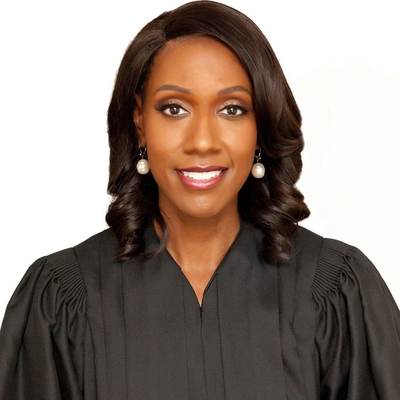
Still, Judge Williams-Claybourne, a former Wayne County Sheriff’s Office general counsel and former Detroit police officer, said in a 30-minute admonishment of the defenders that case law states they have to cross the picket line.
However, she did not cite specific case law, according to the public defenders. Williams-Claybourne said the public defenders “did not make a thoughtful or wise decision.”
“You may advocate for yourself and your colleagues, but as counsel of record, you must also protect your clients’ interests and respect the authority and functioning of this court,” Williams-Claybourne told them during Friday’s hearing.
She denied the attorneys’ motion to dismiss the case, then dismissed it on her own. She warned the public defenders that she would move forward against attorneys who do not cross the picket line, if there is another strike.
Sam Bagenstos, a University of Michigan law professor who specializes in civil rights, labor and employment law, said the case law around this question is probably not fully settled but labor attorneys’ argument “is more than reasonable.”
He said trial judges typically do not want to delay cases, and view situations like this as a challenge to their power. But the public defenders say they have a legitimate need for better working conditions to improve representation for all their clients, Bagenstos added.
“That’s the tension you see playing out here where you have a couple judges who are quite angry who threatened a lot, then backed off when they probably realized they weren’t going to be able to make contempt charges stick,” Bagenstos said.
The judges’ actions drew a lengthy statement from UAW President Shawn Fain.
“You don’t get to turn the courthouse into a hammer against UAW members at Neighborhood Defender Service because they went on strike for fair treatment in the workplace,” Fain said. “This is a heavy-handed move that sends a nasty message to every employee who dares to organize, especially those who work in the public interest. It’s unacceptable intimidation.”
But Williams-Claybourne, appearing to address the accusations, said Friday that she has held officers and jurors in contempt for missing court. The hearing, she added, “is not about punishing you for taking a position in a labor dispute; it is about the professional responsibilities that accompany the privilege of representing a client.”
Gokey stressed that her client was supportive.
“They understand the nuance of skipping one hearing in order to win the war and provide great representation to everyone in the future,” Gokey said. “That’s what judges should care about: Do public defender’s offices have the resources they need?”
Lansing, MI