Proposed Michigan prison diversion program for drug offenses hopes to end re-arrest cycles
Jun 05, 2026 | 2:17 pm ET
Description
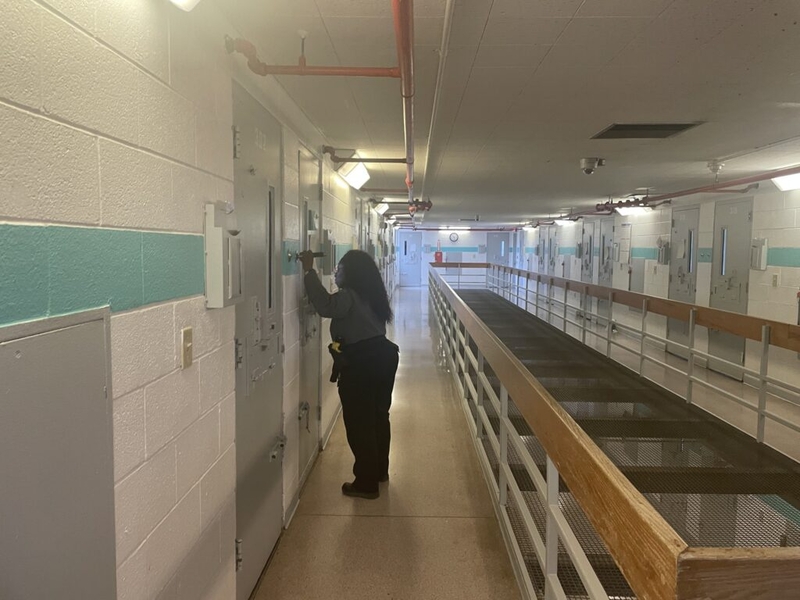
Women's Huron Valley Correctional Facility | MDOC photo
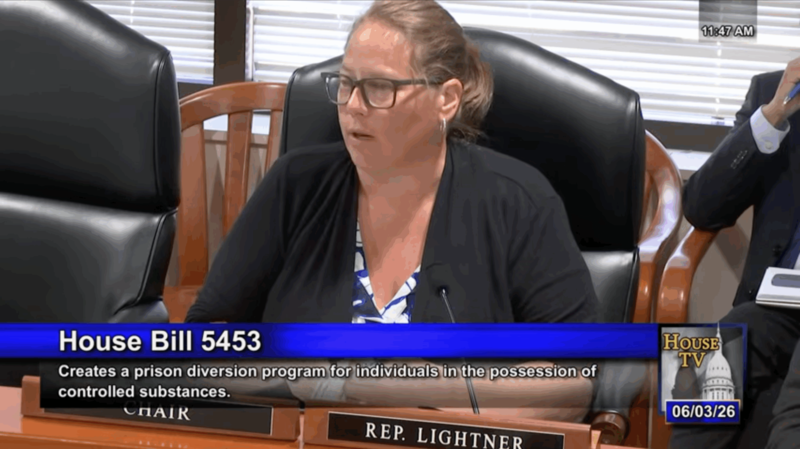
A bill proposed by Michigan Rep. Sarah Lightner (R-Springport) to create a prison diversion program for those suspected of drug-related crimes could help reduce re-arrests and cycles of incarceration.
The legislation has support from a substance abuse advocate and retired police officer, both of whom testified to the House Judiciary Committee on Wednesday.
“Many communities want alternatives that improve outcomes while maintaining public safety. House Bill 5453 provides a pathway towards that,” said Dunya Kilano, the director of operations for Face Addiction Now. “This is not avoiding consequences. This is about investing resources and approaches that address the underlying issue and reduce the likelihood that some will turn to the criminal justice system again and again, from both a public safety and a fiscal perspective.”
Mario Bastianelli, a recently retired captain for the Sterling Heights Police Department, said that while responding to substance use-related offenses throughout his career, he noticed patterns that indicated a need for a prison diversion program. He said that for much of his career, the response to those offenses was straightforward — investigating, arresting and prosecuting individuals when appropriate.
“Over time many of us in law enforcement began to recognize a difficult reality. We were encountering the same individuals over and over again, and we would arrest someone in low-level narcotics offenses,” he continued. “They would move through the criminal justice system, then we would encounter them again and again, basically continuing a cycle that we never actually had the tools to be able to provide and help people that were suffering from substance use disorder, as well as mental health challenges. You have homelessness, lack of treatment, and lack of support.”
Bastianelli added that the goal of the proposed program was not to reduce accountability, but to make communities actually safer by addressing the root causes.
Another key argument in favor of the bill raised by both Bastianelli and Kilano was keeping law enforcement as a part of the conversation and solution in local communities.
“What makes this model successful is that law enforcement remains part of the solution. Officers are often the first people to encounter someone in crisis. They know their communities, they know the people who are struggling, and this program gives them the tools where arrest alone is likely to solve the underlying problem,” Kilano said. “It provides clarity, consistency, and accountability while preserving the prosecutorial and law enforcement discretion.”
Kilano also noted the potential impact that a prison diversion program — which would be similar to the ReDirect program that Face Addiction Now runs — would have on cost-savings for the state.
“When someone enters the criminal traditional criminal justice system, there are costs associated with every step: police response, arrest processing, prosecutor review, court hearings, incarceration, and probation supervision are all required resources,” she said.
As the bill’s sponsor, Lightner added that the estimated cost of incarceration for one person is around $43,000, whereas a diversion program is estimated to cost just over $5,000.
“So for the state, I would expect some cost savings, and also getting people treatment that they need for certain situations,” she said.
The committee took testimony only and did not vote on the bill. Cards of support were submitted by organizations including the ACLU of Michigan and the Prosecuting Attorneys Association of Michigan. There were no cards of opposition submitted during the committee meeting.
Lansing, MI