In Pine Ridge, World Hunger Day arrives in October
May 28, 2026 | 6:00 am ET
Description
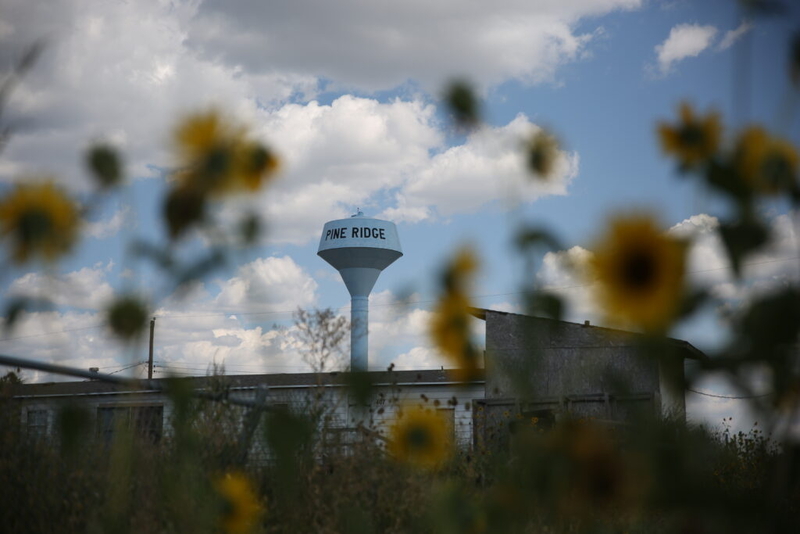
Pine Ridge is located in southwestern South Dakota on the Pine Ridge Indian Reservation. The town has a population just under 3,000 and is the headquarters of the Oglala Sioux Tribe. (Photo by Makenzie Huber/South Dakota Searchlight)
Today is World Hunger Day. For Pine Ridge, the relevant calendar is somewhere closer to October. That’s when the first compounded effects of the One Big Beautiful Bill Act, signed by President Trump on July 4, 2025, reach the warehouse doors of the Oglala Sioux Tribe’s federal food distribution program. Politicians who vote to cut nutrition spending in the spring of an even year face voters again in the fall, six months before the people they cut start showing up at pantries with kids in the back seat.
The lag is the point. The lag is the alibi.
The bill cuts $186 billion from the Supplemental Nutrition Assistance Program through fiscal year 2034. It expands work requirements to people up to age 64. It restricts immigrant eligibility, with that provision effective last November. And in fiscal year 2028, for the first time in the program’s history, it asks states to pay a share of benefit costs they have never had to budget for. By the time those cuts work their way through the procurement cycle, the political memory of the vote is a footnote.
US House passes ‘skinny’ farm bill that keeps big GOP cuts to food assistance
South Dakota’s Republican governor, Larry Rhoden, said as much in November when Democratic legislators asked him to call a special session and tap state reserves to backstop SNAP during the federal shutdown. “We don’t have that kind of coin running around to do that for any extended period of time,” he told reporters at a Feeding South Dakota volunteer event in Rapid City. South Dakota’s monthly SNAP cost is $15 million. The state’s reserves aren’t designed for indefinite substitution of a federal program. Rhoden’s right about the math. He’s right that this is Washington’s job.
Washington isn’t doing it.
Feeding South Dakota, which serves all 66 counties from warehouses in Sioux Falls and Rapid City, has already absorbed a 1.5-million-pound reduction in USDA-sourced food resulting from the 2025 cuts to the Emergency Food Assistance Program and the Local Food Purchase Assistance. That’s the reduction that has already happened, before the deeper OBBBA cuts take effect. CEO Lori Dykstra asked the state Legislature for $3 million during the 2026 session. The number grew to $5 million as demand kept climbing. “We have the infrastructure to do the work,” she said. “We don’t have the food.” The Legislature denied the request.
Pine Ridge sits at the steep end of this curve. The reservation covers about 3,500 square miles. The USDA classifies the entire area as a food desert. Families routinely drive 75 miles one way for fresh produce. Oglala Lakota County’s food insecurity rate is 29%, the highest in Feeding America’s dataset for either of the Dakotas.
The Oglala Sioux Tribe doesn’t wait for the federal pipeline to fix itself. Thunder Valley CDC runs a geothermal greenhouse. The Wakpamni Lake community grows microgreens through the winter. Makoce Agriculture Development used a $2.5 million Bush Foundation grant to build out a regional food system anchored by a regenerative production farm and a food hub. One Spirit’s food program reaches more than 6,000 people every month. This is the deliberate construction of food sovereignty against a federal system that has just announced, in legislative form, how unreliable it intends to be.
What they can’t do is replace SNAP. A geothermal greenhouse can’t stand in for the federal calculation that determines how much food a Lakota grandmother puts on her table when her grandchild’s Wednesday lunch is no longer free.
So the question for World Hunger Day, in South Dakota, isn’t whether the federal cuts will hurt. They will. The question is whether the lag will let the people who voted for them avoid being asked about it.
Local reporting will keep counting the shelves. South Dakota Searchlight has been on the SNAP story since the bill passed, and Feeding South Dakota’s quarterly numbers track what the federal cuts erase. Whether the rest of the country pays attention before the October trucks come up short is the actual test.
Pine Ridge will keep feeding itself through the lag, as it’s been doing for generations. The question is whether Congress will remember by next October what it did last summer.

Pierre, SD