Pa. Supreme Court rejects extension of stay in life without parole for second degree murder ruling
Jul 31, 2026 | 5:45 pm ET
Description
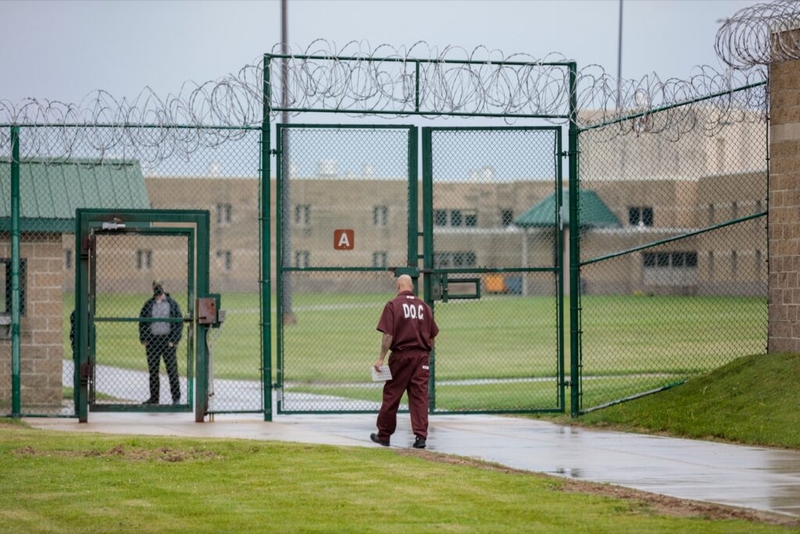
SCI Somerset during a media tour on Wednesday, June 2, 2021. (photo by Commonwealth Media Services)
The Pennsylvania Supreme Court denied a request for another 120 day stay of a landmark ruling that found mandatory life sentences for second degree murder unconstitutional.
The charge is brought when someone dies during the commission of a felony, even when the person charged never intended to kill.
The ruling stemmed from the case of Derek Lee, an Allegheny County man who was sentenced to life without parole for second degree murder. Lee took part in an armed robbery and, while he was in another room, his accomplice shot the victim, Leonard Butler.
The Supreme Court ruled in March that, while a life sentence may sometimes be appropriate, requiring one for in all cases of second degree murder violated the state constitution’s ban on cruel and unusual punishments.
That decision could kick off the largest resentencing effort in the history of the state.
Roughly 1,100 people are currently serving life without parole for second degree murder. Now that the stay on the Supreme Court’s decision is lifted, they have an open door to challenge their sentences.
Initially, the court stayed its March ruling until July 24, effectively delaying Lee’s resentencing and giving the legislature time to create new sentencing guidelines that can hold up under judicial scrutiny.
Lawmakers also had the opportunity to address an issue that the court did not — what should happen to the those currently serving life without parole sentences on second degree murder charges.
However, the GOP-controlled Senate and Democratic-majority House were unable to agree on how long into their sentence detainees should become eligible for parole, or on what future sentencing guidelines for second degree murder should look like.
Allegheny County District Attorney Stephen Zappala made a last-minute request for an additional 120 day stay, but it was denied Friday.
Justices Kevin Dougherty wrote a dissent, with Justice Sallie Mundy joining, arguing the legislature should be given more time.
“While a final compromise has not yet been achieved, this does not appear to reflect an irreconcilable legislative impasse,” he wrote. “Rather, it seems the General Assembly’s focus was on the state budget, and then its summer recess arrived before a final agreement on these difficult and important issues could be reached.”
The Abolitionist Law Center, which represented Lee, welcomed Friday’s ruling denying the extension of the stay.
“We’re ready and prepared to be moving forward for resentencing for Mr. Lee,” said staff attorney Quinn Cozzens. “And we hope that the process moving forward brings about a quick remedy for the over 1,000 people who are serving an unconstitutional sentence,”
Now that the stay is over, Lee will appear before a lower court for resentencing. And advocates expect other inmates charged with second degree murder to similarly appeal their own sentences. That process, however, could take years.
An alternative route would be for attorneys to file what’s known as a king’s bench petition, effectively bypassing lower courts and asking the Supreme Court to make a decision about what should be done for those serving life sentences.
The most likely outcome, according to Cozzens, is the state’s highest court allowing all those currently serving life sentences for second degree murder to go before a judge for resentencing.
The Public Defender Association of Pennsylvania says that approach could take years and cost between $34 million and $36 million.
Despite the deadline passing, the legislature could still approve a bill allowing those affected to go before the parole board instead, which is considered a quicker and cheaper option. But that would require bridging a partisan divide.

Harrisburg, PA