One last time: Legislative Budget Commission meets to discuss immigration, long-term outlook
Sep 04, 2026 | 5:49 pm ET
Description
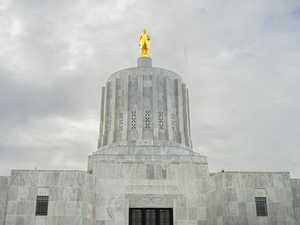
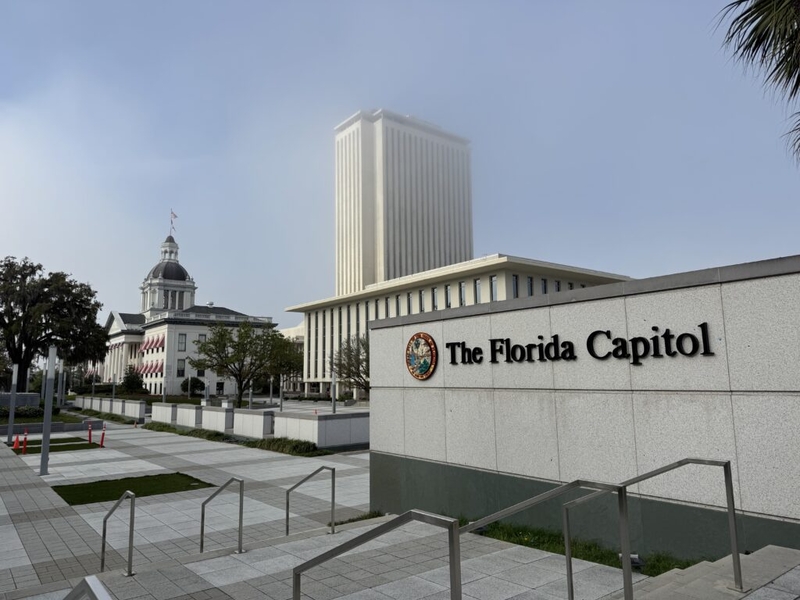
The Florida Capitol building on March 11, 2026. (Photo by Jay Waagmeester/Florida Phoenix)
Florida legislators will gather one last time ahead of the November elections to go over the state’s financial outlook and sign off on budget amendments that would direct more money into the state’s immigration enforcement activities.
The Legislative Budget Commission — which meets Friday — is a combined House and Senate committee that meets periodically and has the power to sign off on mid-year adjustments to the state budget.
Another big job for the commission is its annual September vote on the Long Term Financial Outlook, a snapshot of the state’s budget situation for the next three years. The outlook, required by the state Constitution, is meant to put legislators and other state officials on notice about whether a budget surplus or deficit looms.
Talk about potential deficits outlined in past outlooks have prompted debates among House and Senate leaders over whether adjustments or budget cuts are needed. House Republicans in the past two years have pointed to the outlook as the reason to hold firm on tamping down spending.
The outlook is drawn up after economists and legislative staff spend their summer on new forecasts for how much tax money will come into the state’s accounts as well as estimates for spending on education, the environment, and healthcare.
The preliminary outlook projects that the Florida Legislature, and whoever is elected governor to replace term-limited Gov. Ron DeSantis, will have an estimated budget surplus of $7.1 billion to work with for the 2027-28 fiscal year that will start next July.
That surplus, however, will drop to nearly $3.4 billion in the 2028-29 fiscal year and then slide into a projected deficit of $1.02 billion in the 2029-30 fiscal year.
The report notes that “strategic” legislative actions earlier this year have helped.
“Reduced spending levels combined with a modest level of revenue adjustments for Fiscal Year 2026-27 had ripple effects throughout the Outlook that led to the improved ending balances,” the outlook states.
The outlook outlines 15 critical needs and 28 high-priority needs that will drive expenditures over the next three years, including money for Medicaid, the state and federal funded health care safety net program, and a projected deficit in the state employee health insurance program. The State Group Health Insurance program deficit could grow to nearly $1.8 billion by the end of the 2029-30 fiscal year.
When it comes to expenses, the outlook uses a three-year average of spending, which means the final numbers could shift depending on what the Legislature does.
For example, the outlook points out that over the past three years, the Legislature has transferred $1.6 billion into the Emergency Preparedness and Response Trust Fund to pay for costs associated with natural disasters as well as Florida’s efforts to combat undocumented immigration.
Although Gov. Ron DeSantis maintains the state will eventually be reimbursed by the federal government, the fund paid the expenses associated with Alligator Alcatraz, the detention center created in the Everglades that was shut down a year later.
At the same commission meeting, legislators are being asked to shift an additional $240 million from general revenue into this trust fund. The Florida Division of Emergency Management says it needs more money to pay “outstanding obligations.”
A second budget amendment would give DEM authority to spend $250 million to process payments, including nearly $188 million in the “illegal migration appropriation category.”
Tallahassee, FL