Ohio Chamber sues healthcare giant, accusing it of deceit, misinformation
Sep 17, 2026 | 4:00 am ET

Description
UnitedHealth Group headquarters. Photo from UHG media kit.
The Ohio Chamber of Commerce is suing UnitedHealth, alleging that the conglomerate abandoned its contract to administer a Chamber-backed health plan for its members.
UnitedHealth then used inside information to trick employers into thinking the Chamber plan was being terminated, said the suit, which was filed on Sept. 1 in federal court in Columbus. And then the company wouldn’t allow the Chamber access to its own information, it said.
“Meanwhile, United withheld the Chamber Program’s own information from it so the Chamber Program could not respond to and compete with United’s improper actions,” the lawsuit said.
The lawsuit comes a little more than a year after the Chamber sided with UnitedHealth and two other health conglomerates and against legislation demanded by Ohio’s independent and small-chain pharmacies.
UnitedHealth Group didn’t immediately respond to a request for comment.
A July 9 letter from a regional UnitedHealth executive to Chamber leaders that is part of the court file indicates that the company plans to fight the suit.
“United rejects the allegations and conclusions contained in (a letter from the Chamber), including the assertion that United has acted improperly with respect to Trust Proprietary Business Information…,” said the letter, from Kurt Lewis, United’s CEO for Ohio, Kentucky, and Indiana.
UnitedHealth Group is now the third-largest corporation by revenue in the United States.
It owns the nation’s largest health insurer, it’s the largest owner of doctors’ offices, and it owns the third-largest prescription middleman.
UnitedHealth also offers ancillary services, such as being a “third party administrator,” handling things like claims processing and billing for employee benefit plans other than United’s.
The Ohio Chamber Health Benefit Program offers a group plan that is attractive to small businesses, and about 20% of the association’s members participate, the suit said.
It hired United HealthCare Services Inc. — a part of UnitedHealth Group — to be its third party administrator.
Even though its contract runs through the end of this year, United stopped providing those services and started offering its own insurance to the Chamber’s member businesses that participated, the lawsuit said.
“United used (and continues to use) the access it had to Chamber Program information, Participating Employers, and their brokers, to divert Chamber Program Participating Employers from the Plaintiffs’ health benefit offerings to United’s own health benefit offerings,” the suit said.
“United even co-opted the Chamber Program’s logo, name, and branding on United’s own website and marketing materials to Chamber Program member and brokers, confusing them into believing United products were Chamber Program products and that United spoke for the Chamber Program.”
The lawsuit accuses United of nine separate improprieties, including violations of the state’s Deceptive Trade Practices Act, false advertising, breach of contract, and breach of fiduciary duty.
The suit asks the court to enjoin United from doing what the Chamber accuses it of, and for compensatory and punitive damages.
UnitedHealth owns a huge piece of several different parts of the healthcare marketplace. Antitrust activists say such “vertical integration” creates a motive for such health conglomerate to drive up prices by giving its own businesses an advantage over those of its competitors.
CVS Health and Cigna-Express Scripts face similar accusations.
In Ohio and elsewhere, independent and small-chain pharmacists have long accused the companies of using their drug-middleman operations to drive them out of business, and they’ve closed in droves over the past decade.
But last year, as Ohio pharmacists clamored for measures to limit the power of conglomerates — including United — to control what they were paid for drugs, the Chamber sided with the conglomerates.
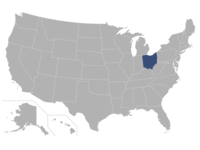
Columbus, OH