NJ panel punts vote on health insurance increases for school workers
Jul 27, 2026 | 4:22 pm ET
Description
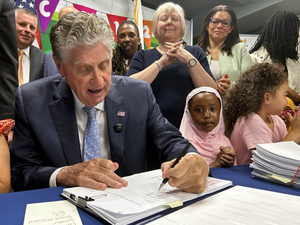
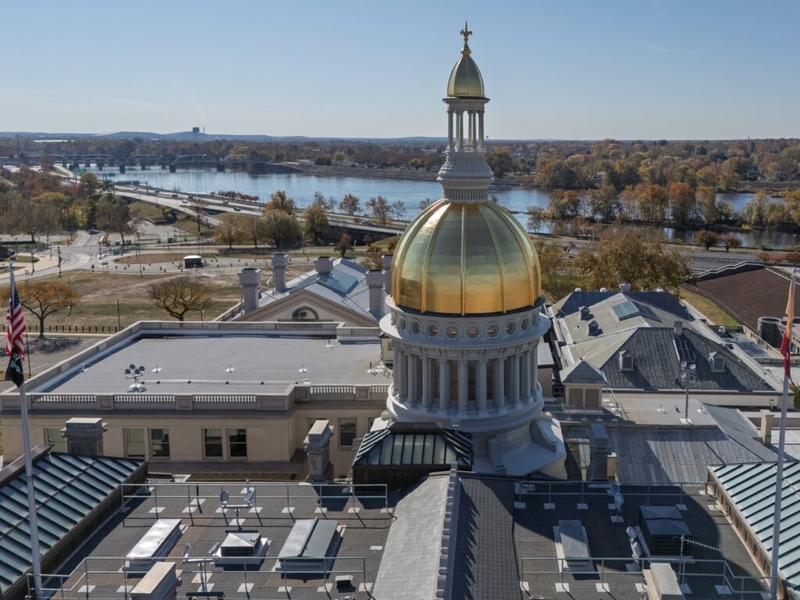
A state panel tasked with setting healthcare rates for school workers delayed a decision Monday in anticipation of input from state Treasury officials. (Photo by Hal Brown/New Jersey Monitor)
The School Employee Health Benefit Commission approved premium hikes for retirees but delayed a vote on larger increases proposed for current school workers pending a review from the state treasurer.
Monday’s votes will push premiums for early retirees enrolled in the state-run plan up by 11% come January, or 6% for its retirees on Medicare. But the panel avoided a more fraught hike that would have caused school workers health premiums to rise by as much as 34%.
The commission is expected to weigh an increase in active school workers’ health premiums at a meeting on Aug. 19, said Kelly Fields, the commission’s secretary.
The delay comes as the School Employees Health Benefit Program grows increasingly unstable. Years of rate increases have pushed districts with healthier workers into private-market options, spurring more hikes and then more departures.
The plan’s proposed rate hikes include additional increases to make up for districts that are expected to leave the plan.
Joe Tappe, a vice president at state actuary Aon, said the firm expects enrollment in school workers’ plan to fall by nearly 9% in 2027. There was an 18% drop in 2026 and an 8% decrease in 2025.
“We are facing a real crisis here,” Steve Beatty, president of statewide teachers union the New Jersey Education Association, told the commission.
It’s not clear what might be included in the Treasury’s review. Spokespeople for the agency did not return a request for comment.
The proposed rate increases are intended in part to rebuild the health plan’s reserves, which is projected to end 2026 with a negative $56 million balance. This year, the plan is aiming to build a surplus equal to one month of claims, rather than the two months sought in prior years, to reduce rate hikes.
Separately, the active school worker plan is expected to borrow $70 million from retirees’ plans to continue paying claims in 2026, a fact also expected to increase plan premiums.
At least some of that balance is set to be repaid in 2027, but staff with the state pension and benefits division warned that, absent legislation, the office lacks the legal authority to secure loan payments from districts that left the plan and required it to start borrowing.
“The districts that remain in as of January 1 are going to be paying claims for districts that pull out, essentially,” said Commissioner Sarah Favinger, an associate director with the NJEA.
New Jersey’s public-worker health plans have faced years of steep premium increases that have outpaced growth in the private market, and officials in and around state and local government have increasingly warned about the plans’ instability.
Last year, the Treasury released a report that warned local government workers’ health plan — which faces similar but smaller rate increases this year — had entered a “death spiral” and that school workers’ health plan risked a similar fate.
Treasury officials have repeatedly said public workers’ health plans must become less generous to become stable.
On average, the state plans cover 98% of the costs associated with a healthcare visit, compared to 89% in a New Jersey benchmark Aon uses for comparisons. Annual per-employee costs were on average 88% higher under the state plans than the benchmark, the actuary said in an analysis filed earlier this month.
Union officials have taken a different view, arguing that lengthy procurement timelines had allowed hospitals, pharmacy benefit managers, and others along the health insurance supply chain to drive up costs.
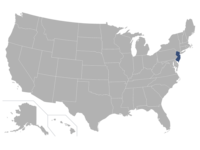
Trenton, NJ