New Mexico could see $924M in ‘new money’ largely due to Iran war driving up oil prices
Aug 26, 2026 | 3:32 pm ET
Description
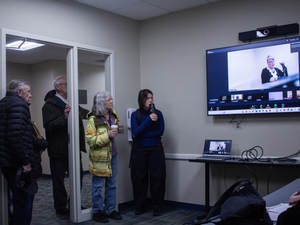
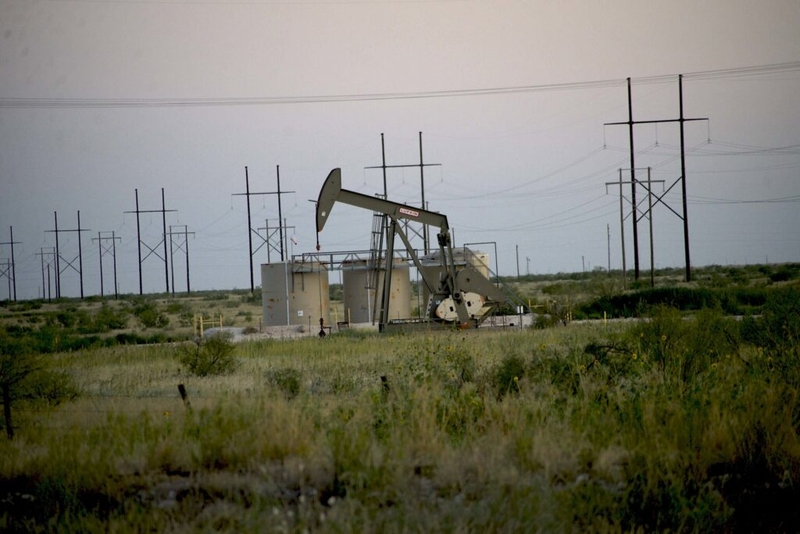
New Mexico Legislative Finance Committee analysts on Aug. 26, 2026, told state lawmakers that rising oil costs from the ongoing Iran war are contributing to the hundreds of millions of dollars of “new money” for the state’s budget. (Danielle Prokop/Source NM)
New Mexico’s coffers could see $924 million in “new money” in the next fiscal year largely from rising oil costs as a result of the war in Iran, economists told state lawmakers Wednesday.
The state’s total amount of recurring revenue increased from about $14 billion in the last fiscal year to $14.5 billion in the current fiscal year, according to a new Legislative Finance Committee report. It’s expected to grow again to nearly $14.8 billion in the next fiscal year starting next summer, the report said.
While the conflict overseas has been difficult to predict at times, even a small change in the price of oil has significant impacts for New Mexico. A $1 change in the price of a New Mexico barrel of oil has a nearly $56.5 million impact on state revenue, according to the new report.
In addition to high levels of oil and gas revenue, the state’s investments in various trust funds are also behind the revenue growth. In fact, LFC Chief Economist Ismael Torres told lawmakers that nearly 40% of the state’s general fund comes from out-of-state sources such as oil and gas and investments.
“That’s a really incredible thing that New Mexico benefits from that other states don’t get,” Torres said at Wednesday’s interim Legislative Finance Committee hearing in Farmington.
While the Iran war, oil and gas prices and investment dividends are driving huge growth, Torres cautioned lawmakers that those factors could overshadow areas of the state’s economy that are otherwise weak, such as high levels of inflation and low levels of workforce participation.
Torres advised lawmakers to pay close attention to the Early Childhood Trust fund, which Gov. Michelle Lujan Grisham announced in 2020 with a balance of about $320 million. Earlier this year, the fund had grown to more than $11 billion and pays for New Mexico’s first-in-the-nation universal childcare program.
Previously, excess revenue from oil and gas taxes and federal mineral leasing went to a number of state trust funds, including the Early Childhood Trust fund. State leaders have expanded the number of trust funds that receive that income now, Torres said, meaning the Early Childhood Trust Fund stands to receive a smaller portion of the excess tax revenue.
In addition to decreasing the trust fund’s share of revenue, state lawmakers have also increasingly made withdrawals from the fund, Torres said.
“I think there was this general thinking that the Early Childhood Trust Fund had an excess of money,” Torres said. “What we’re seeing is with those two changes, that may no longer be the case.”
He added that there is not an immediate risk to the fund’s balance and that lawmakers have several years to improve its revenue stream.
Rep. Nathan Small (D-Las Cruces), who chairs the interim Legislative Finance Committee, said he and his fellow lawmakers should expect unique challenges when overseeing something as unique as the state’s universal childcare program.
“The administration deserves very strong recognition for a wide range of initiatives,” he said. “I think this is a very important perhaps strong yellow light for all of us to see that we are, really, one of one in the country.”
Santa Fe, NM