New federal Medicaid rule threatens more coverage on top of Congress’ cuts, Utah advocates say
Jul 30, 2026 | 7:39 pm ET
Description
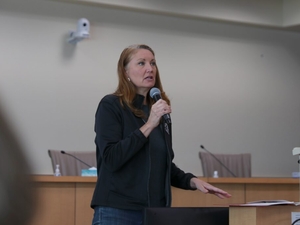
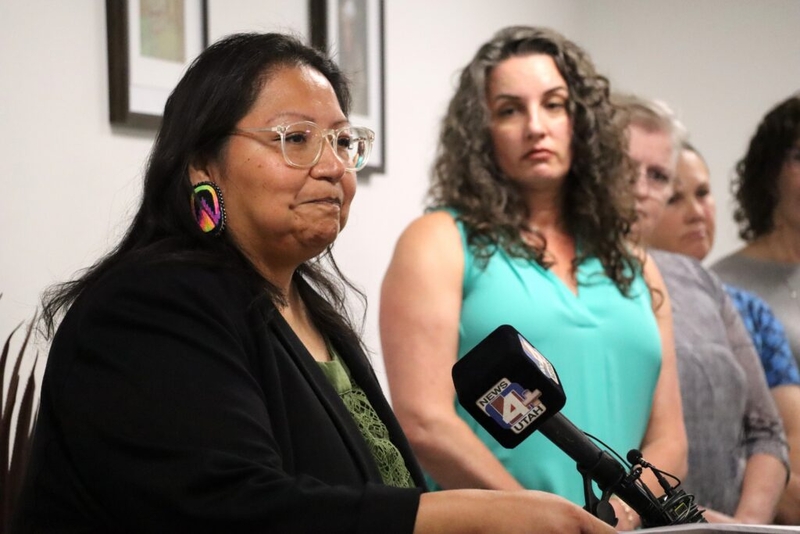
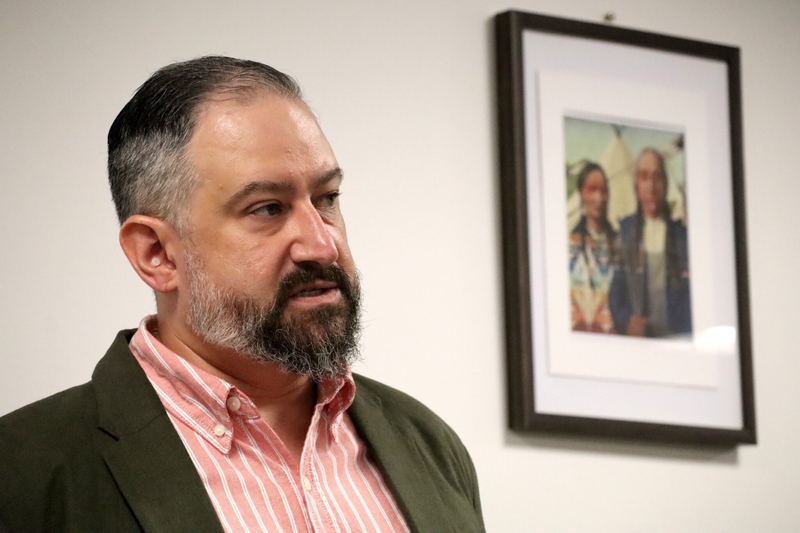
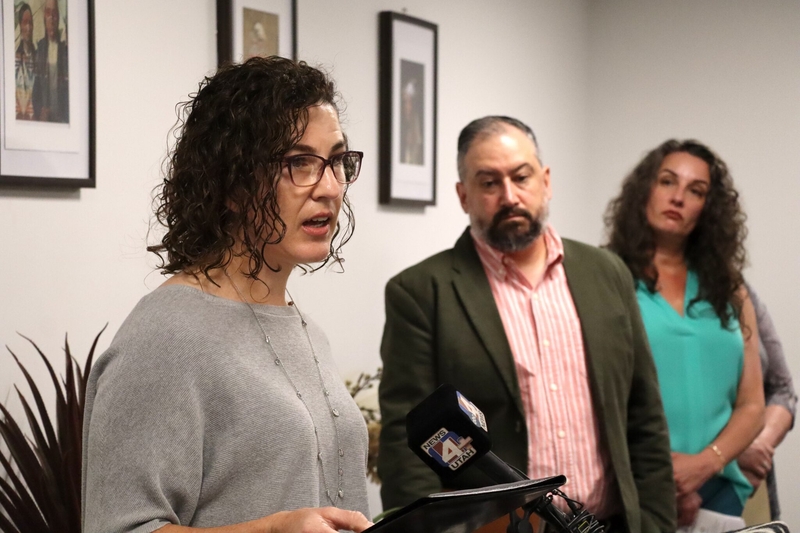
Lorena Horse, CEO of Sacred Circle Healthcare, speaks during a news conference held by the Protect Medicaid Utah Coalition at Sacred Circle Healthcare's offices in Salt Lake City on July 30, 2026. (Katie McKellar/Utah News Dispatch)
A substitute teacher who doesn’t want her healthcare coverage to lapse while school’s out in the summer.
A single mother of five who almost permanently lost her eyesight from tears in her retinas.
A mother who left an abusive relationship, but the stress of a custody battle took a toll on her daughters’ physical and mental health.
All three of these women have something in common: they know firsthand the importance of Medicaid, the publicly funded health insurance program for people with low incomes — and how detrimental any additional barriers to get or maintain its coverage can be.
States face tight timeline as feds unveil new Medicaid work requirement rules
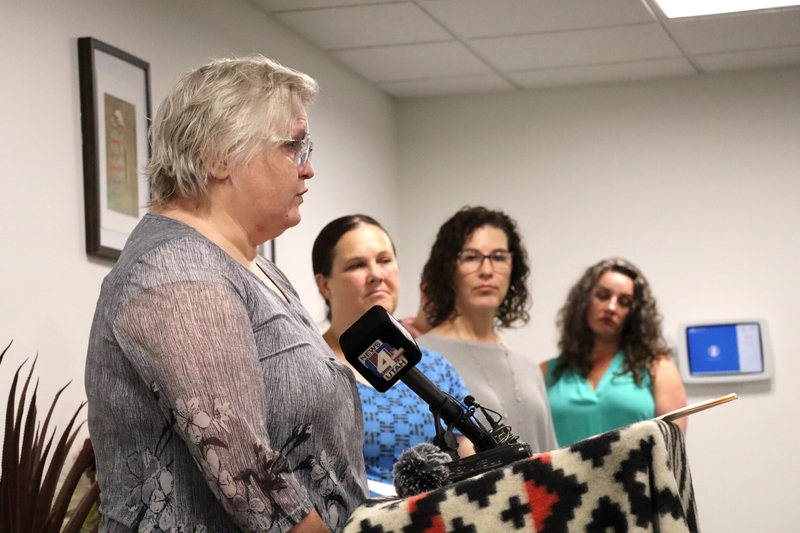
Stephanie Foster, a substitute teacher from Farmington, Brenda Oluwalana of West Valley City, and Ronni Batement, a child welfare advocate from Logan, all told their stories at a news conference in Salt Lake City on Thursday.
“I’ve been getting notices saying that you only have three months to find a job, or you’re terminated from Medicaid,” Foster, the substitute teacher, said. “So it’s just been kind of a struggle.”
They and healthcare advocates gathered at the offices of Sacred Circle Healthcare — a clinic owned by the Confederated Tribes of the Goshute Reservation that serves many patients who rely on Medicaid — to mark the 61st anniversary of Medicaid’s federal creation and to call on state leaders to stand against looming federal cuts and new requirements on the program.
“I’m not a statistic,” said Oluwalana, who credited Medicaid and doctors for saving her from blindness. “I’m a person who kept my eyesight because Medicaid was there, appointment after appointment for years. I’m asking you to think about who is on the other end of these cuts.”
The cuts and how they’re impacting Utah
When Congress passed HR1, or the “big, beautiful” law last year, it enacted the largest ever cuts to Medicaid, with most of those cuts and new work requirements set to take effect at the end of the year, by January 2027.
Last month, the Centers for Medicare & Medicaid Services also issued a new interim rule giving states more details on how they’re supposed to verify the work status for about 20 million adults enrolled in Medicaid.
That new rule “goes further than Congress did in HR1, adding more red tape that will raise costs and kick more Utahns off their healthcare,” said Rachel Craig, government affairs manager for the Association for Utah Community Health and a leading member of the Protect Medicaid Utah Coalition, which organized Thursday’s news conference.
The new reporting requirements will “cut tens of thousands of Utahns off of healthcare,” even though “the vast majority of Utahns on Medicaid either already work or … otherwise qualify for exemptions due to a disability or other reasons,” she said.
“We gather here today to urge CMS to reconsider its draconian rules … and implore our elected officials in Utah to fight to preserve the progress we’ve made to make Medicaid a strong and effective program,” Craig said.
Faced with the looming end-of-year deadline, state officials across the nation, including in Utah, are grappling with how to implement the new administrative requirements. Earlier this year, the Utah Legislature budgeted nearly $16.5 million to administer HR1’s new Medicaid eligibility requirements, but they’re still working through the details of how to put them into practice.
In response to Thursday’s news conference, Utah Medicaid Director Julie Ewing issued a prepared statement.
“At the heart of Utah Medicaid are the more than 330,000 Utahns who rely on these services for their health and well being,” Ewing said. “As federal requirements under HR1 deploy, our core commitment remains unchanged: supporting our members every step of the way. We are dedicated to transparent, straightforward communication so eligible adults keep their coverage without unnecessary hurdles, all while ensuring every dollar is managed responsibly to keep this safety net strong.”
New eligibility requirements
Advocates worry the new requirements — including eligibility checks every six months and proof of employment paperwork — will inevitably result in lost coverage, even for those who should be eligible, because of the new administrative burdens.
To Bateman, the new administrative obstacles can threaten healthcare coverage for victims of domestic violence — adding another barrier that prevents them from leaving their abusers.
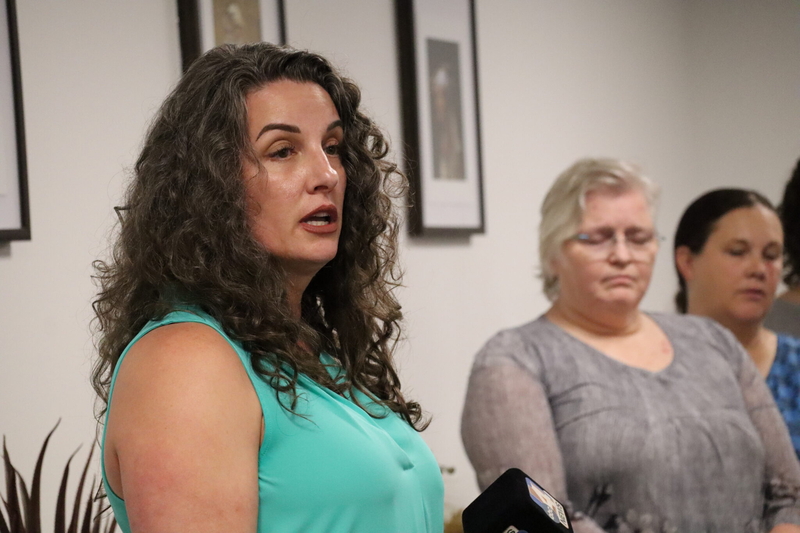
“More frequent eligibility checks make us feel like criminals and increase the labor required to keep our benefits, which we already have so little time and resources to shoulder,” Bateman said. “Every time we complete one of these, we are consumed with fear that somehow we will not pass.”
While HR1 created a work requirement exemption for people who are “medically frail,” the new interim rule created an additional requirement that in order to qualify for that “medically frail” designation, a person must have a significant health condition and be significantly impaired in their ability to work.
Advocates including Nate Crippes with the Disability Law Center worry healthcare providers will have a hard time determining whether their patients fit that definition, and it will make it too difficult for ill and disabled people to stay on Medicaid.
“Too often, public debates around Medicaid focus on stereotypes and misconceptions. The reality is that the people most affected by these cuts are our neighbors, friends, family members, and fellow Utahns living with disabilities,” Crippes said. “These are people striving to work, contribute to their communities, and live independently.”
Crippes said that proponents of HR1 argued that its cuts would not impact people with disabilities, “but the latest interim final rule makes clear that people with disabilities will disproportionately be impacted.”
“If we are serious about addressing the needs of people with disabilities, mental illness, and substance use disorders, then Utah policymakers must stand up against an interim final rule that goes too far and threatens the independence and dignity and health of people with disabilities,” Crippes said.
A special program specifically for Utah’s homeless slated to end
Another Medicaid program unique to Utah — created more than a decade ago by the state’s Republican-controlled Legislature — is on the cusp of ending because federal officials recently signaled they won’t allow it to continue.
Utah’s Targeted Adult Medicaid Program, known as TAM, has provided 12 months of continuous Medicaid coverage for Utah adults earning up to 5% of the federal poverty level who are chronically homeless, involved in the justice system or need substance abuse or mental health treatment.
Sheriffs, police, mayors rally to save Utah Medicaid program for the homeless, parolees
Local leaders, sheriffs and police have sent letters to state leaders urging them to keep TAM alive as crucial for helping Utahns stop revolving in and out of homeless shelters and jails — but federal officials haven’t budged on their position against programs that allow continuous eligibility. TAM is still slated to end in July 2027, after which eligible TAM members will transition to adult expansion Medicaid, according to state officials.
Salt Lake County Council member Suzanne Harrison — who is also a medical doctor — said at Thursday’s news conference that the loss of TAM, combined with the cuts from HR1, will set state leaders’ efforts to end chronic homelessness “backwards” while also “shifting costs to local governments and ultimately local taxpayers.”
“Cuts to such programs only increase burdens on our local law enforcement, our ER, our emergency rooms, and our jails,” Harrison said. “All told, cuts to Medicaid saddle local governments and taxpayers with more costs, while making our citizens less healthy and our streets less safe. These harsh federal cuts will limit our state’s ability to design our Medicaid program in a way that best supports Utahns.”
Impacts to tribal-owned clinics
Lorena Horse, CEO of Sacred Circle Healthcare and a member of the Confederated Tribes of the Goshute Reservation, said the cuts to Medicaid will also have cascading impacts on clinics like hers, where many of their patients rely on Medicaid coverage.
“Weakening Utah’s programs will undermine years of investment and progress in this healthcare system,” Horse said. “Reductions in Medicaid funding does not eliminate healthcare needs. It simply shifts costs to emergency rooms, hospitals, and taxpayers in other areas.”
Horse said Sacred Circle has already had to reassign staff to administrative tasks related to Medicaid eligibility rather than working directly with patient care, and those “administrative burdens will only increase once Medicaid changes go into effect,” she said.
“Ultimately, the long-term consequences of these changes may result in clinic operation decisions that directly affect patient care,” Horse said, “such as longer wait times for appointments, reduced clinic hours, and fewer specialty and ancillary care services.”
Salt Lake City, UT