Nessel wins injunction against Kalshi as prediction market says Michigan lacks regulatory authority
Sep 03, 2026 | 4:00 am ET
Description
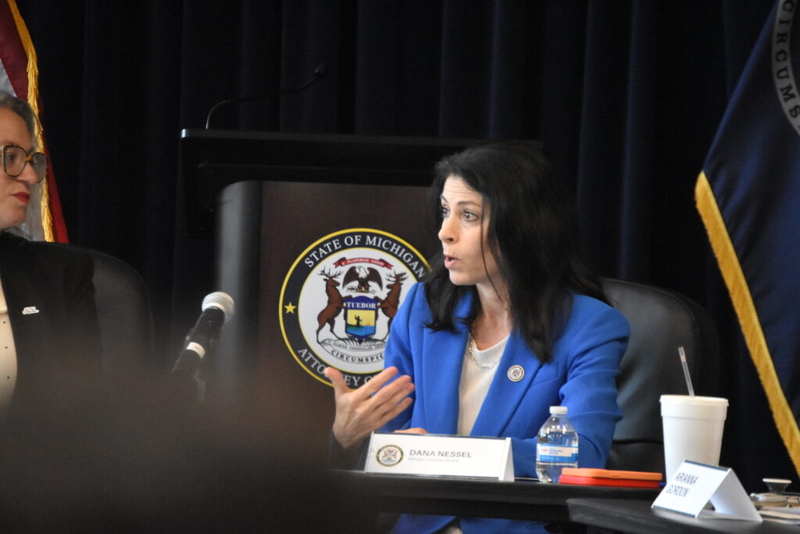
Michigan Attorney General Dana Nessel on July 30, 2026. (Photo by Katherine Dailey/Michigan Advance)
In her lawsuit against the prediction market Kalshi, Michigan’s Attorney General has secured another block barring the company from offering sports betting services in the state of Michigan.
Attorney General Dana Nessel first filed suit against the company in March, arguing the company was operating in violation of the state’s Lawful Sports Betting Act.
Kalshi allows individuals to trade on the outcome of certain events, including sporting events, an operation which Judge Rosemarie Aquilina of the 30th Judicial Circuit Court of Ingham County called “a sports betting operation masquerading as an investment opportunity.”
In her suit, Nessel argues that the company is operating without the licensing approval of the Michigan Gaming Control Board.
Aquilina previously granted a temporary restraining order demanding Kalshi cease offering event contracts on sporting events to Michigan residents. On Tuesday, she granted a preliminary injunction, barring the company from engaging in any activity tied to sports betting in Michigan.
“Kalshi long attempted to pass itself off as a legitimate gaming operation in our state, and I am relieved that this order further protects Michigan residents from its predatory, unlicensed practices,” said Attorney General Nessel. “My office will continue to defend Michiganders and enforce our gaming laws, which ensure gambling revenue is regulated and distributed back into our communities.”
In order to meet the requirements of the order, Kalshi must work with a third-party geolocation service to ensure it does not accept wagers from Michigan residents.
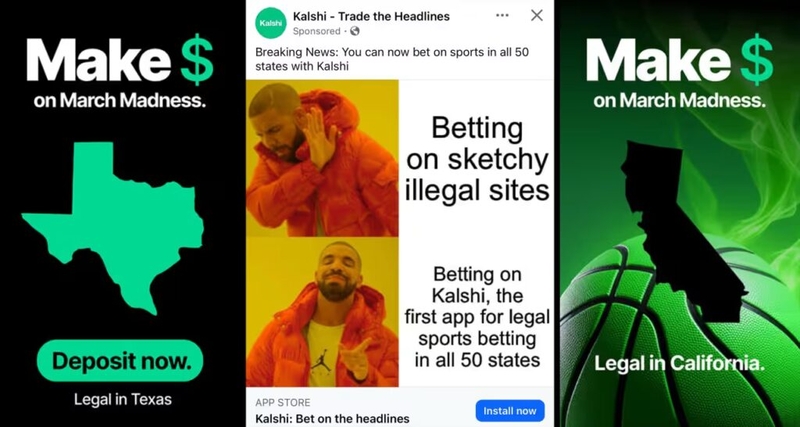
In an email to Michigan Advance, Kalshi referred to a previous statement from its head of communications, Elisabeth Diana, issued in response to the temporary restraining order.
“It’s no surprise that we disagree with the state’s decision and will fight it in court,” Diana said. “Kalshi is subject to exclusive federal jurisdiction. We won’t be bullied by interests that care more about protecting their monopolies than their consumers. In the meantime, we’re implementing restrictions.”
In a letter to the Department of Attorney General Friday, Kalshi Attorney Andrew Porter shared concerns that other states were pursuing enforcement actions against other competitors like Polymarket, Crypto.com, Robinhood and Coinbase.
“To be clear, it remains Kalshi’s position that event contracts traded on federally-regulated designated contract markets are subject to the exclusive jurisdiction of the Commodity Futures Trading Commission. But we recognize that position is contested, and appreciate that Michigan, unlike states such as Nevada and Washington, is not seeking to favor some industry participants at the expense of others,” Porter said. “To that end, we note that Polymarket, Robinhood and Coinbase all sought, and were denied, federal court orders that would have prevented Michigan from taking action against them in state court.”
Porter noted that Aquilina’s decision to grant a temporary restraining order was based on alleged harm to Michigan residents ages 18 to 20, who can make trades on Kalshi but are not old enough to participate in legal sports betting in the state, which is limited to residents 21 and older.
“Kalshi disputes that harm, but recognizes that, if it exists, it is inflicted equally by other market participants that presently are allowed to operate in Michigan,” Porter said in the letter. “As such, Kalshi must reserve its right to move for dissolution of the Court’s forthcoming preliminary injunction order in the event Michigan does not seek to address the purported harms inflicted by Kalshi’s competitors.”
The Department of Attorney General did not respond to emails or a voicemail asking whether it plans to pursue similar sports betting lawsuits against Kalshi’s competitors. This story will be updated when a response is received.
Lansing, MI