Crow Creek tribal member to be South Dakota’s next Missing and Murdered Indigenous People liaison
Sep 02, 2026 | 5:12 pm ET
Description
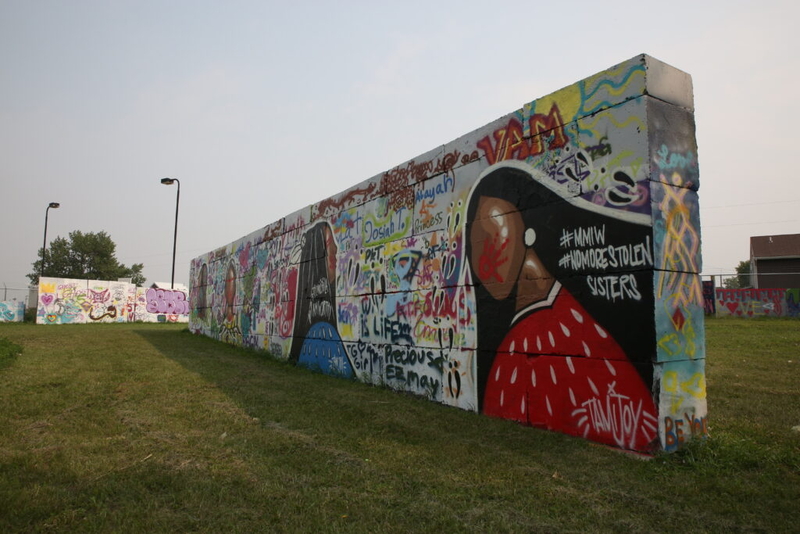
A mural in Eagle Butte on the Cheyenne River Reservation in South Dakota raises awareness about Missing and Murdered Indigenous Women. (Photo by Makenzie Huber/South Dakota Searchlight)
A Fort Thompson resident and member of the Crow Creek Sioux Tribe who has more than two decades of experience working with crime victims will serve as South Dakota’s Missing and Murdered Indigenous People specialist.
Marlys Big Eagle will fill the role vacated earlier this summer by Allison Morrisette, who in 2022 became the first to serve in the position.
Attorney General Marty Jackley, under whose office the liaison serves, announced Big Eagle’s hiring in a press release Wednesday.
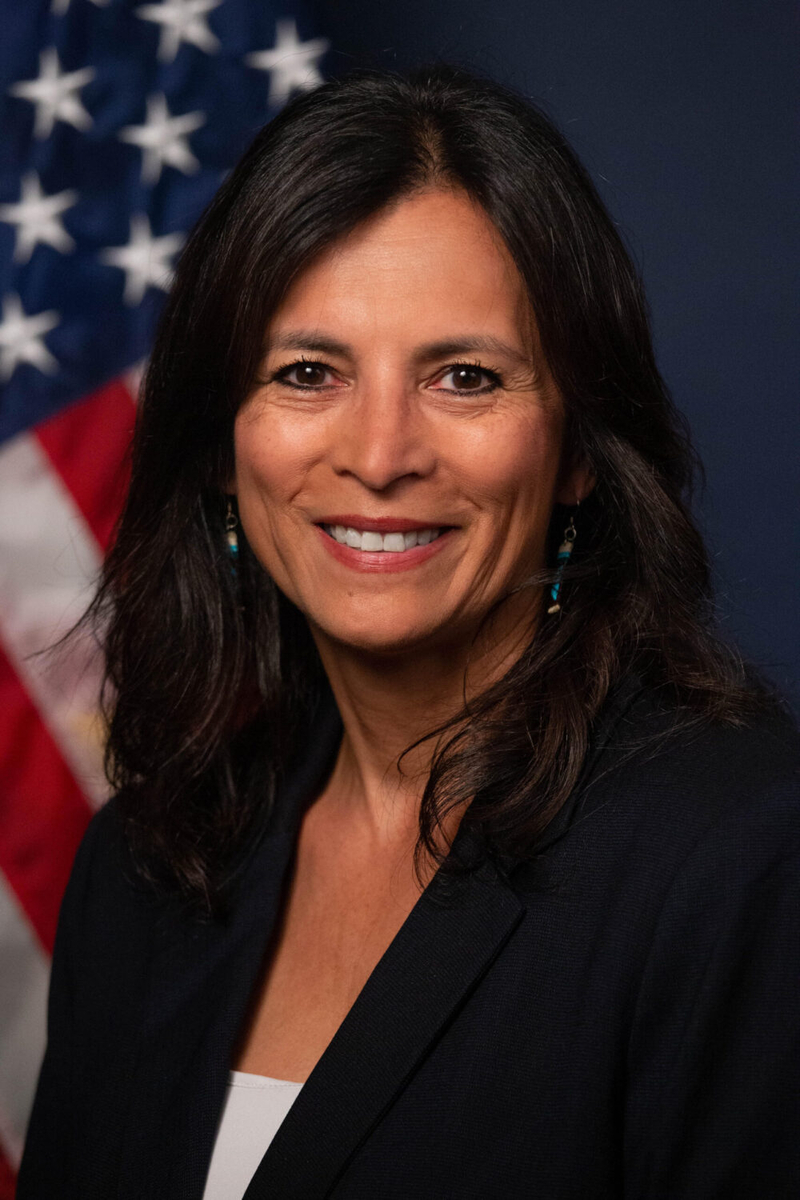
“Marlys has spent her career helping victims of violence and families looking for missing loved ones,” Jackley said in the release. “Her credibility with tribal communities, law enforcement, and prosecutors makes her an outstanding choice.”
Big Eagle worked with crime victims for the U.S. Department of Justice for 27 years. For 23 of those years, she worked as the supervisory victim witness coordinator for the U.S. Attorney’s Office in South Dakota. For the past four years, she’s worked for the department’s Washington, D.C., executive office as the agency’s first Native American outreach services liaison for Missing and Murdered Indigenous People cases occurring in tribal areas.
The job of state-level liaison was created by the Legislature in 2021 but not funded. Initially, Morrisette’s salary was paid by a nonprofit organization. Jackley successfully lobbied to make the position permanent and state-funded shortly after she was hired.
The liaison works to connect family members to resources and the law enforcement agencies investigating their loved ones’ cases. In June, Morrisette told South Dakota Searchlight that serving as the first MMIP liaison for the state was an honor, but that the new position she accepted, working with juveniles for the Unified Judicial System, was a better fit for her growing family.
In the press release on her hiring, Big Eagle said she’s “deeply honored” to have been selected to work with families “as they seek answers and confirmation about what may have happened to their loved ones.”
“I look forward to working alongside other MMIP stakeholders and partners to help bring answers, support, and justice to these important cases,” Big Eagle said.
Nationwide, Native Americans are more likely than non-Natives to die by homicide. In 2023, homicide rates for Native Americans were nearly five times higher than for non-Hispanic whites, according to the Centers for Disease Control and Prevention.
Q&A: South Dakota’s Missing and Murdered Indigenous People liaison reflects as she departs
Native Americans are also disproportionately represented in missing people cases. South Dakota maintains an online clearinghouse for all people reported missing to a law enforcement agency within the state’s borders. Consistently, 60% of the cases involve Native Americans, while around 8.5% of the state’s population is Native.
As of Wednesday afternoon, 58 of the state’s 93 missing people were Native American. Thirty of the 48 missing women were Native American.
The South Dakota liaison position was created the year after state lawmakers voted to create that public-facing missing people site in 2020. A few months later, Congress passed the Not Invisible Act, which created a commission to investigate the underlying causes and identify improvements to help address the overrepresentation of Native Americans in missing people cases and violent crimes.
Nine tribal nations share borders with the state of South Dakota, which has one of the highest per-capita populations of Native Americans in the U.S.

Pierre, SD