Idaho Supreme Court to weigh if ballot language on abortion rights initiative could mislead voters
Sep 02, 2026 | 7:52 pm ET
Description
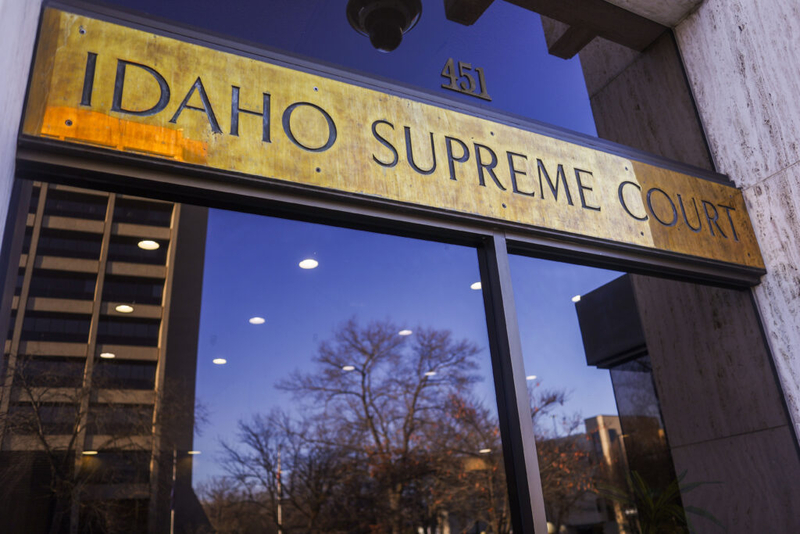
The exterior of the Idaho Supreme Court building in Boise as seen on Jan. 14, 2026. (Photo by Pat Sutphin for the Idaho Capital Sun)
As the deadline to print ballots looms, the Idaho Supreme Court will decide whether state officials’ descriptions of the effects of voting for or against a proposed abortion rights initiative will appear on ballots in November.
The justices questioned the state officials’ attorneys and the legal challengers Wednesday about how best to ensure voters are informed about the ballot measure that would repeal Idaho’s abortion bans if passed.

Attorneys for supporters of the initiative argued before the court Wednesday that the “yes” and “no” effect statements drafted by Republicans Idaho Attorney General Raúl Labrador and Secretary of State Phil McGrane were misleading and confusing.
Attorneys for Labrador and McGrane said the two elected officials did their due diligence to comply with the state law requiring “clear and concise” ballot statements to tell voters what effect their votes would have.
The proposed, voter-led ballot initiative would legalize abortion until fetal viability or in cases of emergency, and enumerate reproductive rights, including access to contraception and IVF, and rights to privacy in medical decision-making.
What does the draft ballot language say?
The effect statements, as drafted by state officials, are:
“A YES vote would create reproductive rights, including a right to abortion before a fetus’s ability to survive and after a fetus’s ability to survive in cases of a medical emergency, and provide liability protections for healthcare providers.”
“A NO vote would make no change to Idaho’s current law, which protects the life of the unborn while allowing abortion in reported cases of rape or incest, or when necessary to protect the life of the mother.”
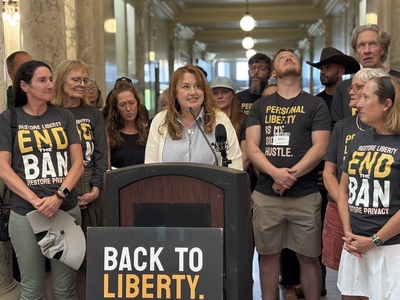
Idahoans United for Women and Families, the nonprofit organization that drafted the initiative — now called Proposition 1 — filed the lawsuit challenging the ballot language on Aug. 27, Stateline reported. The lawsuit argues the proposed language is confusing, especially the description of the existing abortion ban, which the attorneys say is incomplete.
The deadline for the Idaho Secretary of State’s Office to mail printed ballots and voter information pamphlets is Sept. 18 and Sept. 25, respectively, according to court filings.
“The top priority is making sure that there is clear language on the ballot, that is what we have fought for since the beginning,” Melanie Folwell, lead organizer for the initiative proponents Idahoans United, told the Idaho Capital Sun following the hearing.
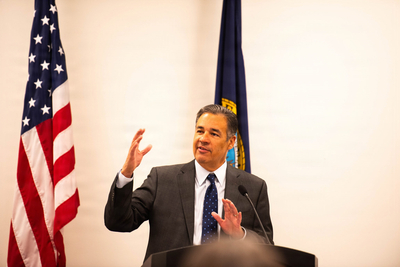
Labrador in a statement said the statements followed the requirements of the law.
“Our duty under the law is straightforward: to provide a clear and concise statement of the effect of a vote on an initiative,” Labrador said in an emailed statement. “We do not tell Idahoans how to vote; we tell them what their vote will do. The Yes statement reflects the sponsors’ own initiative language, and the No statement reflects Idaho law as it stands today. The sponsors are entitled to advocate for their initiative, but they are not entitled to dictate the official ballot language. Idaho voters deserve a fair description of both choices so they can decide for themselves. That is what we provided.”
Justices question if the statements are complete without noting existing abortion penalties
Supreme court justices at Wednesday’s hearing questioned whether the “no” statement fully explained the effect when it omitted the penalties in Idaho’s abortion ban.
Doctors who perform abortions in Idaho face felony charges with prison time and revocation or suspension of their medical license, unless the procedure is performed to prevent the death of the mother or in cases of rape and incest in the first trimester if a police report has been filed.
“How does not telling a voter a ‘no’ vote would leave felonies and licensing discipline in play, how does that inform them what the effect of a ‘no’ vote is?” Justice Colleen Zahn asked the attorney representing McGrane.
Yvonne Dunbar, Idaho attorney general’s office chief counsel, said McGrane and Labrador took a “balanced approach to try and get as much information” into a concise statement as they could.
James Craig, a division chief in the attorney general’s office, said it would be “impossible” to summarize all of Idaho’s laws dealing with abortion into a clear and concise statement.
“My guess is that there are well over a dozen laws, perhaps dozens of laws, affecting abortion,” Craig said.
He said the discretion for how to summarize the effect lies with two elected constitutional officers, the attorney general and secretary of state, who are members of the executive branch. He argued the court lacks authority to override their judgement.
He argued that the yes and no statements when read together offer a complete picture.
“You have to look at them together,” Craig said.
What can the court do?
Idahoans United’s attorney Jennifer Aiko, partner at the Boise law firm Holland & Hart, proposed the statements say, “A NO vote would make no change to Idaho’s current law” and “A YES vote means Proposition One will become state law.”
However, Zahn questioned Aiko on if the court had the authority to choose the statements, and can only determine whether the statements “substantially comply” with the requirements under the law.
Aiko agreed the court couldn’t require certain language, but said they believe their proposed statements would be in compliance.
Justices questioned Aiko on whether such simple statements would fulfill the requirements of the law, which was created after the 2002 to address voter confusion over a ballot measure that included a double negative, making it unclear what a yes or no vote would do.
“What is the purpose of the short statement if all it says is a vote ‘yes’ means it passes and a vote ‘no’ means it fails? It seems to be just a waste of time,” said Justice Gregory Moeller
Aiko argued there was sufficient information in the ballot titles, which are the explanations of what the initiative would do that appear on the ballot. The supporters of the initiative in April 2025 filed a separate lawsuit challenging the proposed ballot titles, and the Idaho Supreme Court at the time unanimously ruled that Labrador’s office must revise the short ballot title.
Aiko said the language on the ballot after the 2025 decision would be appropriate to use if the court decided some further description would be required.
Chief Justice G. Richard Bevan said the justices would take the case under consideration and issue a ruling later.
Boise, ID