NC food pantries see a surge in demand as inflation, federal cuts hit household budgets
Nov 23, 2026 | 3:03 pm ET
Description
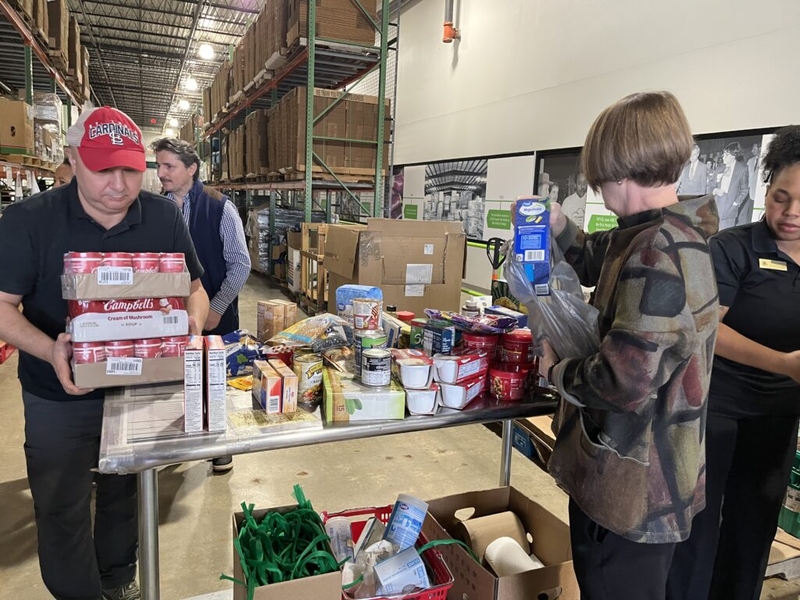
Volunteers at the Food Bank of Central and Eastern North Carolina sort food ahead of the Thanksgiving holiday on Nov. 23, 2026. (Photo: Lynn Bonner/NC Newsline)
As Thanksgiving preparations get underway, more people are turning to food pantries to help meet daily needs, not just to provide the basics for holiday meals.
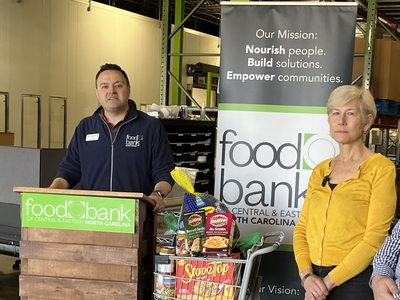
The more than 700 food pantries, meal delivery programs and other food distribution sites supplied by the Food Bank of Central and Eastern North Carolina have seen numbers of people seeking food assistance jump anywhere from 20% to 60% in the last year, said Jason Kanawati Stephany, vice president for communications and public policy at the Food Bank.
“We haven’t seen numbers like this since at least the Great Recession,” he said. “There are more people facing food insecurity today than at the peak of the pandemic.”
Inflation is a factor in the increased demand, he said. Even people working more than one job have trouble affording enough food after they pay their rent, buy gasoline and purchase other necessities.
People are working,” he said. “It’s just the math that doesn’t work anymore.”
Cuts to SNAP, the federal food assistance program are also a factor.
Last year’s One Big Beautiful Bill Act expanded work requirements for SNAP recipients and made some non-citizens ineligible. For example, people admitted to the United States for humanitarian reasons and victims of trafficking are no longer eligible for SNAP.
The law also requires North Carolina counties to pay for a bigger share of administrative costs. And starting next October, states will shoulder part of the cost of SNAP benefits, based on their error rates.
The number of North Carolina households enrolled in SNAP declined 7.7% between August 2025 and August 2026, according to the latest information from the U.S. Department of Agriculture.
“Children, seniors, our veterans – they are all going without,” U.S. Rep. Deborah Ross, D-Wake County, said at a news conference at the food bank in Raleigh.
“‘These cuts can be reversed by Congress,” she said. “That is the important thing to know.”
Reversing the SNAP cuts is “absolutely on the agenda,” with Democrats controlling Congress starting next year, Ross said during a brief interview. “Speaker-to-be (Hakeem) Jeffries has already said that’s a priority.”
In addition to the SNAP cuts that hit households, food banks have also had to adjust to federal funding cuts.
In early 2025, the USDA eliminated a program that reimbursed organizations for buying food from local farmers.
As federal support has ebbed, demand has increased, Kanawati Stephany said.
“It has been by the grace of our community and the generosity of the community that we’ve been able to fill that void, but that is not sustainable.”
However, charitable organizations cannot fill the federal government’s role in addressing food insecurity, he said.
Every donation to the food bank through the end of this year will be matched, so every dollar donated will equal six meals, Kanawati Stephany said. People who need food can search for a food pantry at foodbankcenc.org.
Raleigh, NC