Minnesota’s housing growth slowed down in 2025
May 19, 2026 | 7:00 am ET
Description
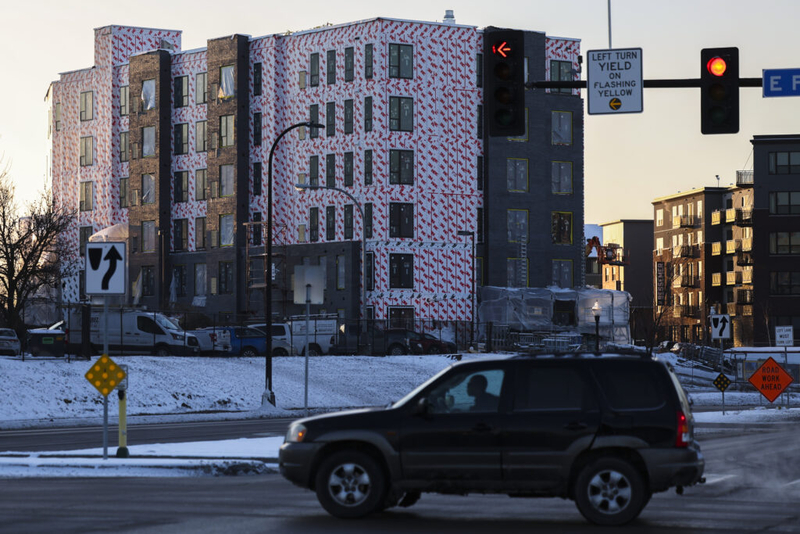
An apartment being built in the Seward neighborhood on Tuesday, Jan. 14, 2025, in Minneapolis, Minn. (Photo by Ellen Schmidt/Minnesota Reformer)
Minnesota gained 18,283 housing units from July 2024 to July 2025, according to recent Census estimates. That 0.7% increase, which mostly comes from housing construction but also includes small losses from demolition and natural disaster, is a sharp drop from the growth of around 30,000 units in 2022.
Minnesota lags behind nationwide housing growth, which was 1% from 2024 to 2025, and ranks 35th among all states during that time.
The statewide trend is mirrored in the seven-county Twin Cities metro area, where around 12,000 new housing unit permits were issued in 2025, compared with a high of 22,616 in 2021, according to building permits data from the Metropolitan Council.
Based on those figures, the Federal Reserve Bank of Minneapolis recently published a report that the metro area failed in 2025 on three housing goals: housing production, affordable housing production and the Black homeownership rate. The goals were laid out by the Itasca Project, a since-disbanded business-led group, in a 2020 report.
The 2020 report said that the metro area needs to produce 18,000 housing units a year to make housing more affordable. The Twin Cities fell short of that goal from 2023 to 2025.
Researchers at the Federal Reserve Bank concluded that the region’s housing market seems to be “trending toward a less affordable future.”
Minnesota’s housing stock is growing slightly faster than its population, which increased around .56% from July 2024 to July 2025, according to Census estimates. The population of the seven-county metro area grew 0.7% during that year.
In the waning days of the legislative session, Minnesota lawmakers passed a housing bill that includes $100 million in bonds for the maintenance and development of affordable housing, which is expected to result in more than 2,000 homes. Housing advocates have pushed for statewide zoning reform in hopes of decreasing regulatory barriers like minimum lot sizes that tend to restrict building. But, for the third year in a row, they did not succeed in getting a zoning measure on the housing bill.

Saint Paul, MN