Maternity care deserts make up nearly half of Mississippi counties, March of Dimes says
Aug 11, 2026 | 7:00 am ET

Description
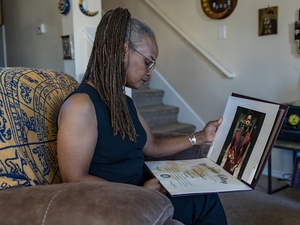
Photo courtesy of Mississippi Today
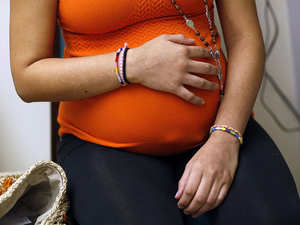
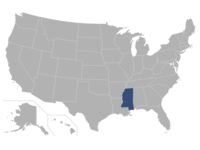
Mississippi continues to rank among the states with the fewest resources for pregnant women. According to the latest report from the March of Dimes, nearly half of the counties statewide are considered maternity care deserts without an obstetric clinician or birthing facility.
These deserts affect close to 107,000 Mississippians and 7,000 births annually, said the report released Tuesday. The March of Dimes is a national nonprofit aimed at improving the health of mothers and babies.
Across the country, 1 in 3 counties are maternity care deserts. Experts say that’s abysmal. Mississippi’s statistics are worse than the national average, but the report’s authors pointed out those trends are not inevitable. The report concluded maternity care deserts are the result of longstanding underinvestment and policy decisions, including restrictive Medicaid coverage and prohibitive midwifery policies.
“The U.S. is still one of the most dangerous developed countries in which to give birth,” said Honour McDaniel Hill, director of Infant and Maternal Health Initiatives for March of Dimes. “We still have two women die each day from pregnancy-related causes.”
Those perils are magnified in Mississippi, which consistently has one of the highest rates of maternal mortality and leads the nation in infant mortality.
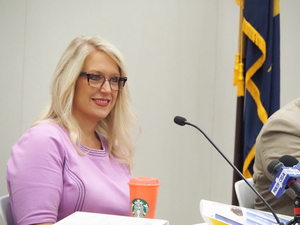
Dr. Lakeisha Richardson, one of a few OB-GYNs in the Delta, knows this firsthand. Richardson was born in Indianola and works in Greenville, and she said she felt called to return home after completing her residency in Jackson. She said other OB-GYNs she knows in the Delta call the place where they practice home.
Richardson said there is a lot of talent to tap into within the state. Efforts to expose Mississippi high school students to healthcare early on and hold spots at the University of Mississippi Medical Center for students who promise to serve rural areas could improve the workforce. But attracting talent from elsewhere to serve some of the nation’s poorest women will require a more holistic approach that includes revitalizing infrastructure in rural parts of the state, she said.
“I think the biggest factor that doctors look at when they’re choosing where to live is where they want to raise their families,” Richardson said. “We all want to serve and come back and help others, but we also have to take into consideration our own children and their education and their culture and experiences, as well.”
To access providers, Richardson said, women often drive more than an hour. Sporadic health insurance statewide frequently translates to patients arriving at pregnancy sicker than those living in places where they are more likely to have insurance. Of the patients she sees, 1 in 5 have a chronic health condition, such as diabetes or hypertension, Richardson said, adding that most of the time, those illnesses have gone untreated for years.
A majority of her patients were uninsured until they became pregnant and qualified for Medicaid. Under Mississippi law, people who aren’t pregnant need to make less than 21% of the federal poverty level, or $6,000 annually for a family of three, to qualify for Medicaid. During pregnancy, those rules change and anyone making under 194% of the federal poverty level, or roughly $54,000 for a family of three, qualifies for the low-cost health insurance.
If Mississippi were to expand its Medicaid program, as 41 states and the District of Columbia have done, 123,000 uninsured adults could become eligible for the program, by some estimates. Richardson believes many of her patients would see better outcomes as a result. The March of Dimes report also highlights Medicaid expansion as a solution to the maternal-infant health crisis, but Mississippi lawmakers have yet to heed this recommendation.
In 2024, the Mississippi Legislature came historically close to expanding Medicaid but the proposal ultimately died due to partisan politics.
Ninety-five percent of counties in Mississippi have uninsured rates above the national average, according to the March of Dimes. In non-expanded states, 1 in 3 women covered by Medicaid during pregnancy reported being uninsured prior to conception, according to the report. That says a lot about how these states think of women, McDaniel Hill said.
“A woman’s value does not come from her pregnancy,” McDaniel Hill said.
Left untreated, hypertension and diabetes can lead to preeclampsia, stillbirth and preterm birth, a condition in which Mississippi leads the nation, as well as long-term health consequences for both the infant and the mother.
For some Mississippi women in maternal care deserts, help may remain tragically out of reach and can result in dying on the side of the road. Midwives could help fill in the gaps – but not in Mississippi. This year, the state was named in a federal lawsuit over how it limits women’s access to nurse midwives. Currently, nurse midwives must pay physicians in order to practice, which advocates say is cost prohibitive for many midwives and irresponsible in a state with a severe shortage of providers. Legislation to change that died in committee this spring.
Richardson said she is proud to reduce poor outcomes and meet the needs of the community that raised her. But it means that she’s almost never off the clock. On average, OB-GYNs in the U.S. deliver a baby once every three days. Richardson said she often delivers multiple babies a day, sometimes as many as five.
“It can be exhausting,” Richardson said.
Jackson, MS