Medical systems, health agencies get $80 million from feds to boost rural health
Aug 11, 2026 | 5:00 am ET
Description
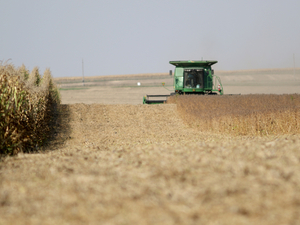
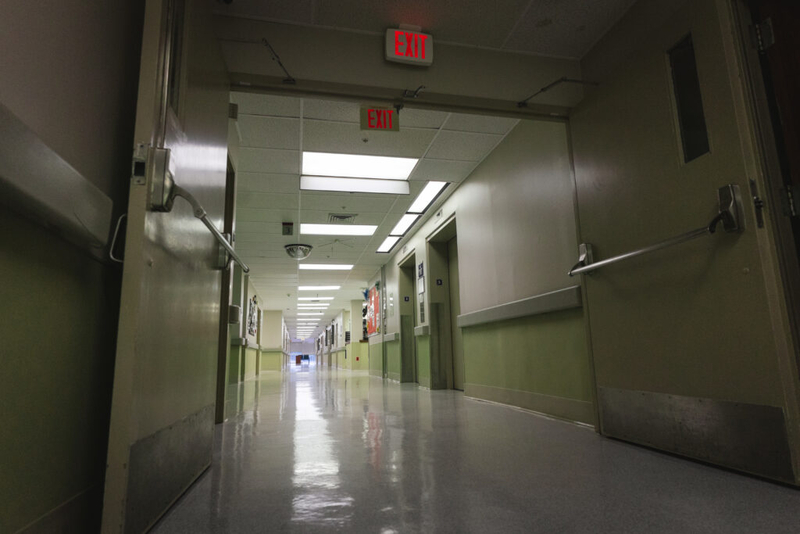
Staffing shortages and transportation challenges can create barriers to primary care and behavioral healthcare for residents in rural counties. (Photo by Will McLelland/Alabama Reflector)
Dozens of projects from county health departments, healthcare systems and Maryland hospitals will share $80 million in new federal funding to improve access to healthcare in Maryland’s rural communities, the Moore administration announced Monday.
It’s the first round of $168 million in funding the state is expected to receive this year, the first year of the new five-year federal Rural Health Transformation Program. That program, funded at $50 billion nationwide, aims to boost healthcare access in rural counties across the country.
The program was included in the 2025 budget reconciliation and is intended to offset some of the cuts to healthcare included in last year’s One Big Beautiful Bill Act.
“Marylanders’ ability to access affordable and quality health care should not depend on their zip code,” Gov. Wes Moore (D) said in a written statement announcing the first round of grant awards Monday.
Staffing shortages and transportation challenges can create barriers to primary care and behavioral healthcare for residents in rural counties.
Centers for Medicare and Medicaid Services Administrator Dr. Mehmet Oz said in a written statement that the funds will help “states like Maryland develop innovative, locally driven solutions to improve rural Americans’ access to high-quality care.”
“These first grant awards demonstrate how this historic investment is empowering rural communities to strengthen their health systems, put patients first, and bring better care closer to home,” Oz said.
Policy analysts have expressed concerns that cuts to federal services under H.R. 1, the One Big Beautiful Bill Act, will put financial pressure on Maryland hospitals, including those that serve rural communities.
Comptroller report reveals steep challenges facing Maryland’s healthcare industry
Those cuts include “an estimated $911 billion in federal Medicaid spending reductions over the next ten years,” according to KFF, a health policy research organization.
That very legislation is also what created the new Rural Health Transformation Program, though it is not clear if the grant program will fully offset the anticipated financial burdens to rural hospitals due to loss of Medicaid enrollment and insurance coverage.
“While the fund was established in part to address concerns about rural hospitals and closures, the extent to which it will benefit these facilities and offset losses under the reconciliation law is unclear,” KFF said in September, noting that the first round of grants will go out before the major cuts to Medicaid begin.
The $80 million for this year will be distributed to 41 programs to boost primary care, behavioral health programs and dental services in Maryland’s 18 designated rural counties, which include all except Howard, Anne Arundel, Montgomery, Prince George’s and Baltimore counties, along with Baltimore City.
Grant awards vary. Johns Hopkins University will use $6 million to create a statewide “neurological triage platform” to “speed early diagnosis, improve access to neurologic expertise, streamline prehospital destination decisions,” along with other goals, according to the Department of Health.
The smallest grant award will go to the Talbot Hospice Foundation Inc., which will receive a $29,750 grant to improve palliative care coordination and remote patient monitoring in Talbot County.
The projects in between vary. The Kennedy Krieger Institute will receive $1 million from this round of grants to create a virtual and mobile “front door” to specialized pediatric care, “bypassing traditional barriers such as long wait times, lack of local specialists, and transportation difficulties.”
Meanwhile, the Washington County Community Action Council will get just about $150,000 to improve its existing Non-Emergency Medical Transportation program.
The Worcester County Health Department will use $2.6 million to boost behavioral health services along with other programs such as school-based therapy, case management for seniors and menopause education.
“We are incredibly inspired by the multi-sector collaborative approach to these projects, which will make a meaningful difference in people’s ability to access high-quality care,” Health Secretary Dr. Meena Seshamani said in a statement.
All of the grantees announced Monday aim to promote sustainable access and innovative care in rural counties. Other grant opportunities under the Maryland Rural Health Transformation Program will tackle the healthcare workforce shortage and improve access to nutritious food options.
Annapolis, MD