A key ‘forever chemicals’ lawsuit settles out of court in North Carolina
Jul 14, 2026 | 6:01 am ET
Description
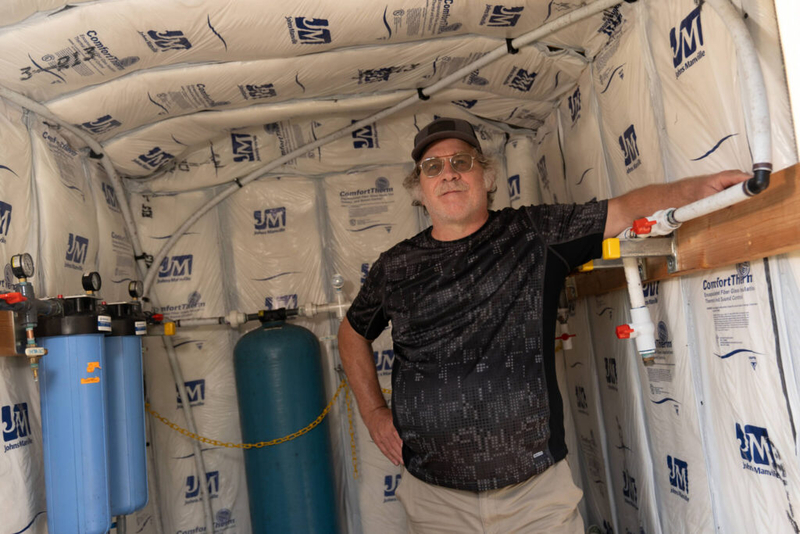
Mike Watters stands in a granular activated carbon filtration system that Chemours was required to give him after his well in Grays Creek was contaminated with several types of PFAS. (Photo: Mehmet Demirci/Inside Climate News)
This article originally appeared on Inside Climate News, a nonprofit, non-partisan news organization that covers climate, energy and the environment. Sign up for their newsletter here.
Forever War: This is part of a series about the PFAS crisis in North Carolina.
CUMBERLAND COUNTY, N.C.—Mike Watters was running on two hours of sleep and one cup of coffee as he drove home to Grays Creek from the federal courthouse in Raleigh.
Watters is among 2,658 plaintiffs suing Chemours, a chemical manufacturer near Fayetteville, North Carolina, for releasing toxic GenX and other PFAS into the Cape Fear River and surrounding air, soil, groundwater and drinking water wells—including the Watters family’s.
By the time he arrived in Raleigh for opening arguments in the lawsuit, he had waited eight years for his day in court.
But Watters and the other plaintiffs won’t get to see a trial this week. He learned this morning that both sides had agreed to settle out of court.
“I wanted to see it go to trial,” Watters said. “I would have liked to have seen how a jury would have handled it.”
Attorneys have yet to disclose details of the settlement, which affects all of the plaintiffs.
“We are pleased to report that we have made significant progress in resolving our clients’ claims in a way that will compensate them for the impact of PFAS chemicals from the Fayetteville Works Plant to their lives and property,” the plaintiffs’ attorneys, Brett Land and Cary McDougal, of the Baron & Budd law firm, said. “We believe this is an extremely positive and successful outcome on behalf of our clients.”
A Chemours spokesperson said the company had no comment on the case.
GenX is one of roughly 15,000 types of PFAS, also known as forever chemicals, because they persist in the environment for hundreds of years. They are used to manufacture Teflon coatings, stain-, grease- and water-resistant materials, and other consumer products.
Scientific studies have linked PFAS to higher rates of testicular and kidney cancer, thyroid disorders, reproductive problems, low birth weight and a depressed immune system.
Chemours has disputed the link between the chemicals and these health effects. The Chemours plant was owned by DuPont, also named in the lawsuit, until 2015.
The plaintiffs were seeking compensation for their diminished home values, the inability to fully enjoy and use their property and emotional distress about their health.

Had the trial gone forward, Watters would have finally heard Chemours’ officials testify. If called to the witness stand, Watters could have looked at them while he told his story of how the contamination nearly ruined his life.
Bellwether trials such as this one serve as test cases, whose jury verdicts can portend the outcome of future litigation with the remaining plaintiffs. Sometimes, to avoid costly and protracted litigation, the parties settle the cases out of court. That’s what happened in this case.
The plaintiffs’ attorneys told Inside Climate News they could not disclose who initiated the settlement.
Chemours has faced lawsuits in multiple states, including New Jersey and Ohio. The company has accrued $361 million in PFAS-related litigation liabilities, according to the company’s December 2025 filings with the Securities and Exchange Commission.
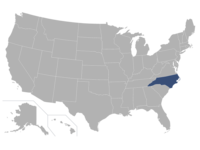
Raleigh, NC