Kauaʻi Police Commission Narrows Search For New Chief To These 4 Finalists
Nov 21, 2025 | 5:01 am ET
Description
Photo courtesy of Honolulu Civil Beat
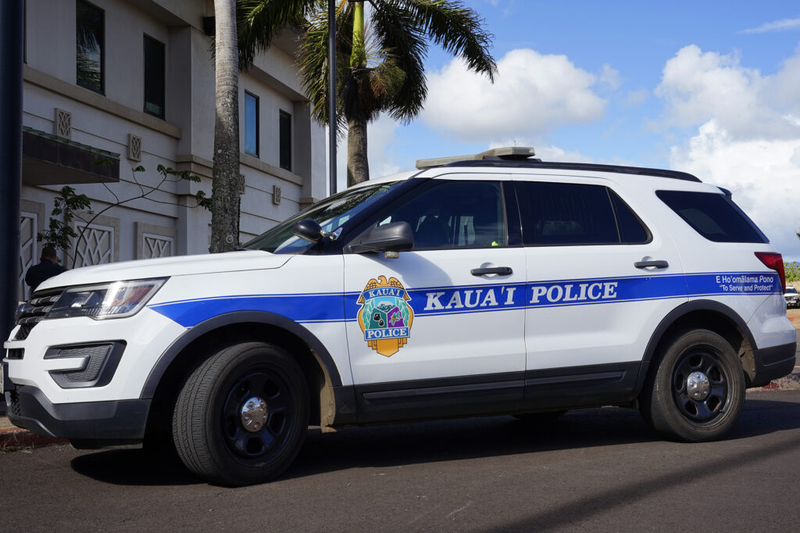
Kaua‘i's six-month search for its next top cop may come to an end Friday when the county Police Commission takes up its final four candidates.
The finalists include Teresa Ewins, a former police chief in Lincoln, Nebraska; Roderick Green, a Kauaʻi police captain; Robert Larson, a police captain in Reno, Nevada; and Rudy Tai, a deputy police chief in San Diego. A fifth unnamed candidate pulled out of the running.
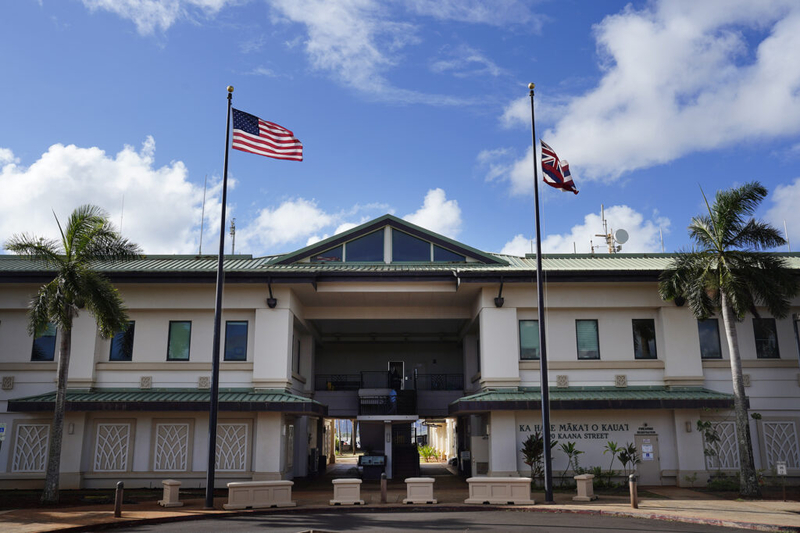
The seven-member commission’s decision is expected to begin a new era for a department that has struggled with sinking morale and a high rate of officer vacancies.
“They deserve to have a fresh start,” said Nicholas Schlapak, president of the State of Hawai‘i Organization of Police Officers.
“What they need right now more than anything else is a person who, on day one and every day after, is going to channel their energy and focus to rebuild the department,” he said. “They really need to start with trust and individual buy-in and … they need to find a way to take employee feedback, listen to it and then engage those employees and actually create solutions.”
Former chief Todd Raybuck retired in June after a six-year tenure clouded by controversy. The department has since been run by Elliott Kalani Ke, who moved up from assistant chief to serve as interim chief.
All told, 42 people applied for the chief position, which carries a $181,800 salary.
Kauaʻi's efforts to recruit a new chief come as Honolulu and Hawaiʻi island conduct their own searches for a new top cop.
The Kauaʻi Police Department has a $41.5 million annual budget and 236 full-time staff members, including 135 sworn officers. Another 30 officer positions are unfilled, creating an 18% officer vacancy rate.
The police commission has chosen to conduct the hiring process internally without help from outside consultants or recruiters.
SHOPO Wants Chief Without 'Baggage'
In a 70-page letter to Kauaʻi Police Commission Chair Walton Hong, Schlapak assessed the finalists’ backgrounds, noting that the commission’s short list includes candidates that “will set us back.”
In an interview Thursday, Schlapak questioned how much commissioners knew about the candidates’ backgrounds before advancing them to the short list of finalists, which was made public last week.
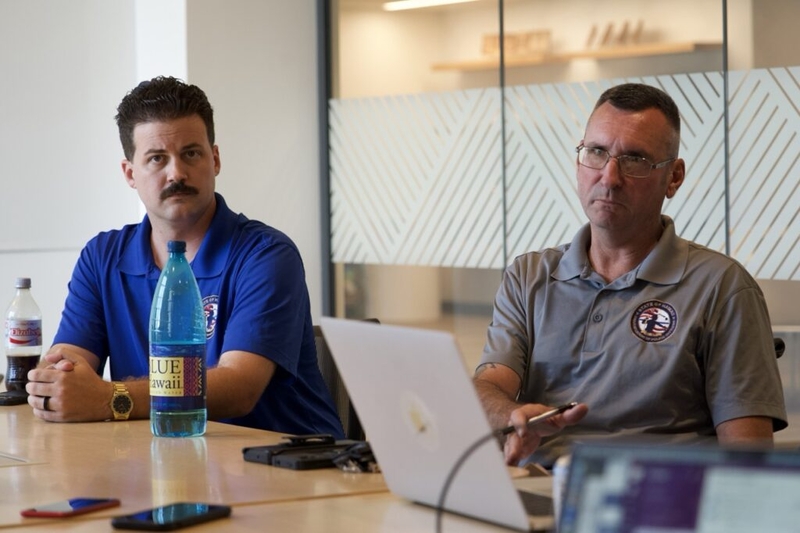
“I do feel that the police commission needs to be very transparent about whether they knew about this information and whether the candidates offered rebuttals or were asked to explain these situations that could be considered questionable or concerning," he said.
The police union does not plan to endorse a candidate.
In Schlapak's letter Wednesday to the commission, he describes Ewins as a candidate with the potential to bring “chaos and controversy to the island.” He points to an active civil rights lawsuit in which one of her former employees accused her of retaliatory termination as the Lincoln, Nebraska, police chief after the officer called out a culture of discrimination against female cops. The legal complaint is one of several filed in recent years that alleges sex discrimination within the Lincoln Police Department.
The letter also criticizes Ewins for resigning from the Lincoln Police Department’s top post in 2023 without warning or explanation.
“The Kauaʻi Police Department does not need a new chief of police that comes with baggage,” Schlapak told Civil Beat. “If a candidate is coming to Kauaʻi with more than clothes in their luggage then we should be saying ‘no.’"
Ewins declined to comment while the police chief recruitment process is ongoing.
Hong, the police commission chair, and Vice Chair Laurie Yoshida did not respond to requests for comment.
Prior to her two-year tenure as the first female and first openly gay police chief for the city of Lincoln, Ewins spent 26 years with the San Francisco Police Department, rising to the rank of commander. She holds a bachelor’s degree in criminal justice and a master’s degree in organizational leadership from Colorado State University.
In her application, she touts experience in trust-building, advancing professional standards and aligning policing with the needs of diverse communities.
In response to an essay question about how she would handle a situation where a police officer accuses another officer of sexual harassment, Ewins said she has faced the issue directly, “having inherited multiple lawsuits related to sex discrimination and hostile work environment upon becoming chief.”
“Allegations of sexual harassment or hostile work environment, at any rank, must be taken seriously and addressed with immediate, impartial action,” she wrote in her response. “These behaviors undermine morale, erode internal trust, damage public confidence and, if not handled properly, can cause long-term harm to both individuals and the department’s credibility.”
The police union president’s letter also raises concerns about Tai, pointing to a sexual misconduct scandal involving former San Diego police officer Anthony Arevalos, who was convicted in 2011 on multiple charges, including soliciting bribes and preying on women during traffic stops.
Tai was Arevalos’ direct supervisor in the 1990s when Arevalos was allegedly involved in a sexual misconduct incident involving a mentally disabled woman, according to a 2014 news story in the Voice of San Diego. Tai gave Arevalos a verbal warning, according to the story. The incident was not formally documented. This light-handedness, the letter speculates, could have allowed the officer’s misconduct to continue.
“We feel the commission should know this part of the candidate’s background,” the letter states.
Tai, who was born on Oʻahu and graduated from Pearl City High School, touted in his application over 35 years of law enforcement experience, including stints as captain, assistant chief, deputy chief and acting police chief. He describes himself as an approachable leader with years of community trust-building experience. He has master’s degrees in management and public administration from National University and San Diego State University.
Tai did not respond to a request for comment made through the San Diego Police Department.
Letter Urges Commission To Question Experience
The union letter raises no serious concerns with Larson, but argues he lacks sufficient executive leadership experience.
“Coming in as an outsider is an exceptional challenge,” Schlapak wrote. “Becoming a first-time CEO is an exceptional challenge. Being both while heading an organization that needs to be completely rebuilt from the ground up is going to border on impossible.”
A police captain in Reno, Larson has 27 years of police officer experience, including 15 years in a management role. He holds a master’s degree in public safety from the University of Virginia.
In his application, he described himself as a trustworthy, fair and dependable problem-solver with experience forecasting department funding needs, negotiating a multimillion-dollar contract with a police Taser and body camera manufacturer, investigating internal discrimination complaints and writing a department-wide strategic plan.
The union letter voices no issues of concern regarding Green, the only internal candidate in the pool of finalists. But it urges the commission to seek to understand whether he has the broad support of his fellow officers.
A Kauaʻi police officer since 2004, Green is the captain of the field operations division. If he were chief, Green wrote in his application that he would embrace the findings of a 2024 workplace Gallup survey that found 49% of employees aren’t just unhappy at the department, they’re resentful that their needs aren’t being met. He would then implement strategic changes to address poor morale, communication, accountability and trust, he wrote.
In his application, Green, a Marine Corps veteran with a bachelor’s degree in criminal justice, casts himself as culturally sensitive strong communicator and a balanced decision-maker with experience implementing the department’s pandemic-era health protocols and developing and teaching a field training program that saved $60,000 in off-island training costs.
Larson did not respond to a request for comment made through the Reno police departments. The Kauaʻi Police Department declined to make Green available for an interview for this story.
Read the letter from SHOPO below.
Civil Beat's reporting on Kauaʻi is supported in part by a grant from the G. N. Wilcox Trust.
Honolulu, HI