Kauaʻi Election Results: Rapozo Tops Carvalho For Mayor
Nov 04, 2026 | 1:29 am ET
Description
Photo courtesy of Honolulu Civil Beat
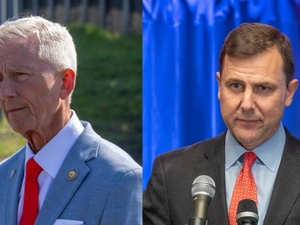
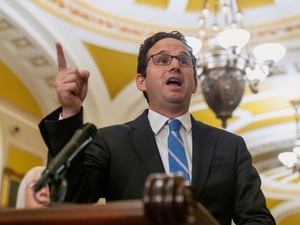
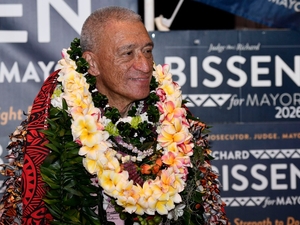
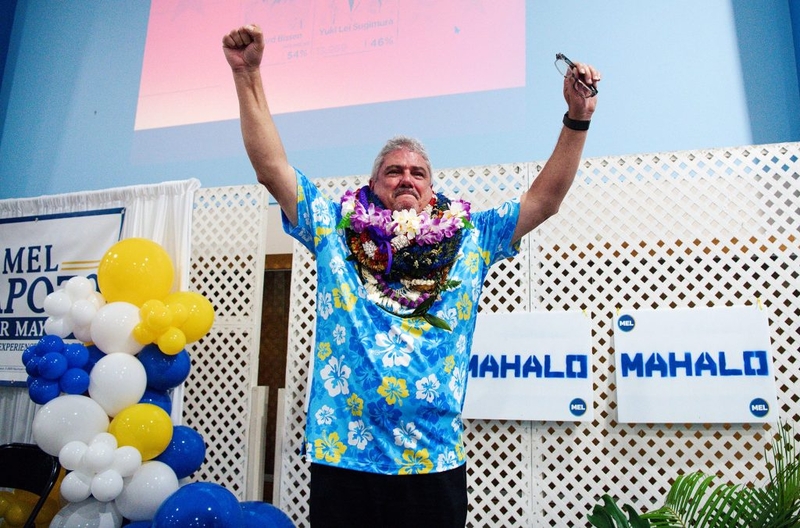
Kaua‘i County Council Chair Mel Rapozo, with 56.5% of the vote, is Kaua‘i's next mayor, Wednesday's final election results show, with fellow council member Bernard Carvalho Jr. having 37.4% of the vote.
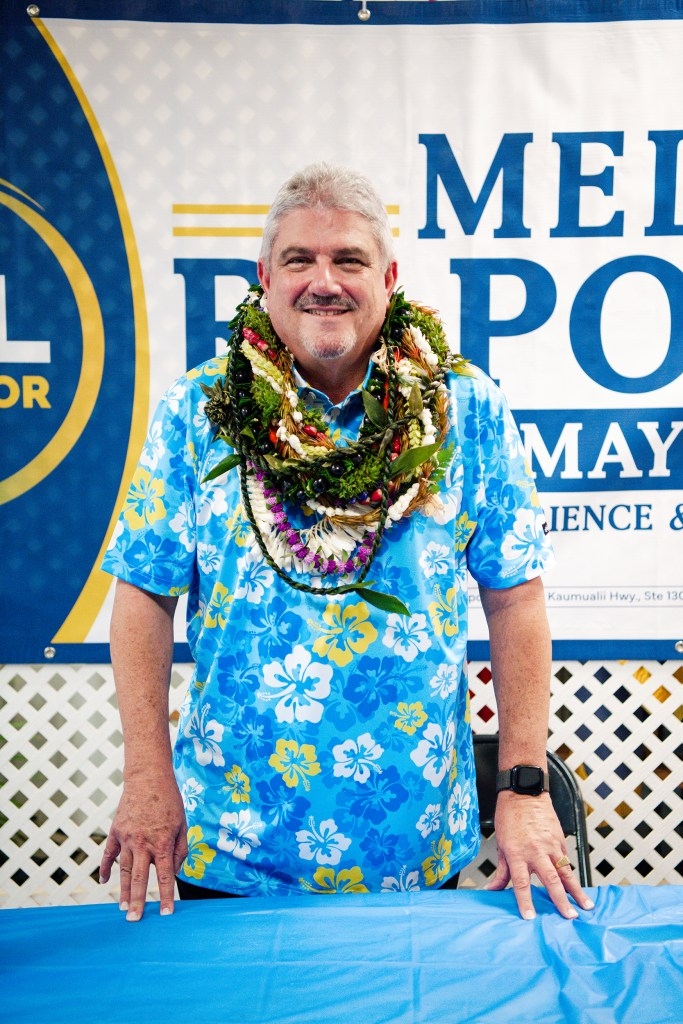
This election brought chances for major changes in how the county of roughly 73,000 residents is governed, and how executive and legislative leaders might solve its most pressing challenges around affordable housing, solid waste, infrastructure and invasive species.
This is Rapozo’s third time running for mayor. It’s been a tight race between him and Carvalho, who was Kaua‘i’s longest-serving mayor from 2008 to 2018. Both were born and raised on Kaua‘i and have touted their passion for Kaua‘i.
“I’m filled with gratitude," Rapozo said after early results were announced a little after 8 p.m. on Tuesday. "It was a lot of work. It was a long campaign. I wasn’t joking when I said this was the most nervous I’ve been in all my life. I’m extremely excited.”
A veteran of the Hawai‘i Air National Guard, Rapozo was an officer with the Kaua‘i Police Department for 13 years, has served on the council on and off for 18 years, and worked as a private investigator.
Over the years, he’s advocated for housing that local families can afford, expanding waste diversion programs and addressing the island’s aging infrastructure.
He said that for his first few months in office, if the remaining results affirm he’s elected, he’d want to focus on getting county services lost during the September Kāpule Building fire back online, putting together his team and connecting with other county employees.
As council chair, he’s often been seen grilling county officials and, at times, expressing his discontent with the council not being briefed sooner on major issues the administration was facing or his concerns about a project’s status. He’s known to be tenacious and brutally honest and credits his personality to his military background.
Leading up to the election, he’s said he’s not afraid to make decisions when it comes to addressing the county’s challenges.
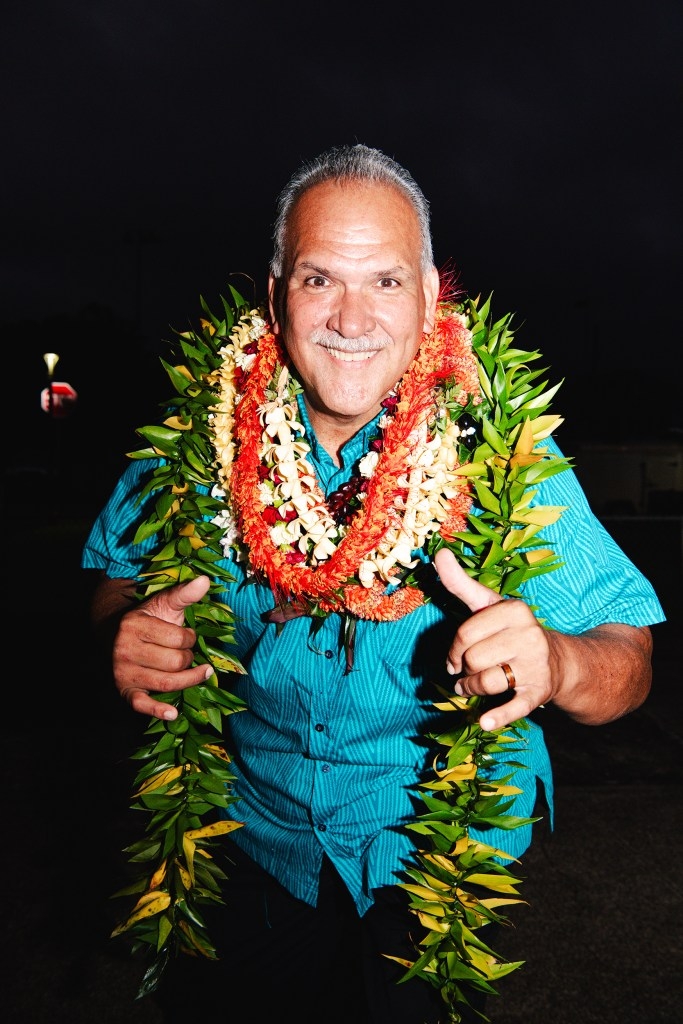
“The crisis that we are talking about today, whether it’s solid waste, whether it’s wastewater, whether it’s water, the reasons we are here today is because the decisions were not made prior and it needs to be made now,” he said during Civil Beat’s Kaua‘i mayoral forum. “And that is what I hope to bring to the mayor’s office.”
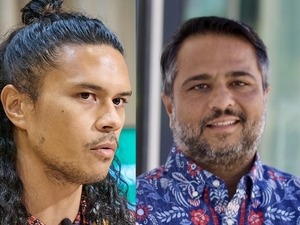
Carvalho, a former professional football player, is known for a collaborative leadership style and a gentler approach to questioning than his rival. Prior to serving as mayor, he spent decades working in various county departments. He’s served on the council since 2020.
“I know the numbers are still not in our favor, but we’re not giving up," he said after preliminary results were announced a little after 9 p.m. Tuesday. He added that he's thankful for his supporters and is looking forward to the final election results.
Council member Felicia Cowden, who finished third in the August primary, asked her supporters to back Carvalho in the general election.
Among Rapozo’s plans as mayor are to create an accountability office that can route constituents to the appropriate department and ensure their inquiries are addressed and declare wastewater and solid waste as emergencies so that resources and attention are directed to addressing those issues. He also wants to open an investigation into the Coco Palms permits, which were first granted after the hotel was destroyed in 1992 during Hurricane ‘Iniki. The hotel’s rebuild is underway and expected to open in 2028.
Big money was raised and spent this election. Rapozo hauled in $252,622 in contributions and spent $175,114, according to his latest campaign spending report filed with the state. That exceeded the nearly $214,000 that Kaua‘i Mayor Derek Kawakami raised to win his second term four years ago.
Carvalho, who was backed by the powerful Pacific Resource Partnership, raised $178,003 and spent $149,784 as of Oct. 19, the end of the most recent reporting period. PRP represents the Hawai‘i Regional Council of Carpenters and more than 250 contractors.
Kaua‘i County Council Results
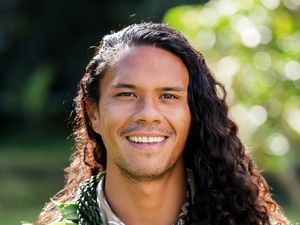
The top seven candidates for the County Council will win seats. The top vote-getters were incumbent Fern Ānuenue Holland (12,425 votes), Todd Ozaki (11,557 votes), incumbent Arryl Kaneshiro (11,501 votes), Michelle Kaleiohi Correa (11,486 votes), incumbent Addison Bulosan (9,684 votes), Dane Smith (9,243 votes) and Paul Noboru Applegate (8,456 votes), final results show.

Taylor Shigemoto (8,235 votes), Billy DeCosta (8,048 votes), Mike Coots (7,166 votes), Umi Martin (6,431 votes), Cheree Rapozo (5,842 votes), Keola Kaiminaauao (5,091 votes) and John "Scooby" Mattos (4,190 votes) received the next highest votes, preliminary election results show.
This year’s council race drew the highest number of candidates since 2002 with 26 residents competing for a seat on the seven-member council. Voters determine who makes up the Kaua‘i County Council every two years. Kaua‘i is the only county to elect council members at-large rather than by districts.
There were four open seats this election with Rapozo, Carvalho and Cowden running for mayor, and Council Vice Chair KipuKai Kuali‘i leaving due to term limits. Kuali‘i’s term began in 2018.
Incumbents Kaneshiro, Holland and Bulosan were on track to keep their seats.
"I'm just so amazed and humbled and thankful," Holland said. When she was elected to her first term in 2024, she was the seventh vote-getter. "It's amazing to go from number seven to number one."
This election has given the non-partisan council room for a shift in who controls its majority. It’s only the second time in 30 years that four seats have been open at one time.
The council sets policy, dictates property tax rates, enacts zoning changes and approves an annual county budget of nearly $500 million.
The 14 candidates brought in a combined $250,737 this election, with Ozaki raising the most at $68,008. Altogether, the candidates spent $192,063.
Kaua‘i Charter Amendment
Final results show that Kaua‘i voters have agreed to eliminate a never-used Zoning Board of Appeals. The board was created in 2016 as another option to appeal a decision made by the county Planning Commission, which conducts public hearings about zoning and land use permits and applications.
The county couldn't find volunteers to serve on the Zoning Board of Appeals. Volunteers would have needed to commit to successive days and weeks of hearings that are similar to court processes with witnesses, presentation of evidence and cross-examination.
Appeals have instead been heard by a hearings officer or by the Planning Commission.
Honolulu, HI