UPDATE: Most OHA Incumbents Ahead But Longtime Trustee Losing His Seat
Nov 04, 2026 | 1:43 am ET
Description
Photo courtesy of Honolulu Civil Beat
The Office of Hawaiian Affairs will likely have a new at-large trustee in an election that could change the makeup and leadership of the board, including whether Kai Kahele retains his position as chairman.
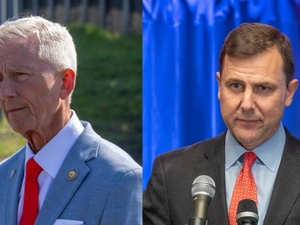
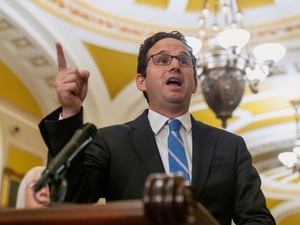
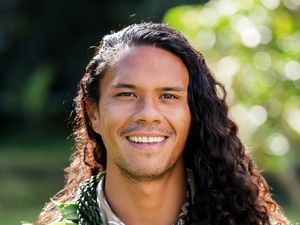
As of the latest results Wednesday morning, in a six-way contest for three at-large seats on the board, former Honolulu Councilmember Ikaika Anderson led the pack. Trustee Keoni Souza, who trailed in early results, had pulled ahead to second place by Wednesday morning. Trustee Brickwood Galuteria, another incumbent, came in third.
John Waiheʻe IV, who has been on the board for 24 years, was in fourth place and may lose reelection.
After the first round of results Tuesday night, Anderson had said he was grateful for the results so far but said "We have a long night ahead of us, this isn't over."
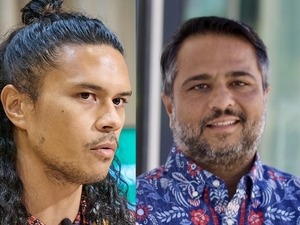
For the race to represent Oʻahu, the latest results show incumbent Trustee Kalei Akaka on her way to defeating Hinaleimoana Wong 37.6% to 30.6%. On Maui, incumbent Trustee Carmen Hulu Lindsey holds a lead over her challenger, Lahaina activist Keʻeaumoku Kapu, 29.5% to 27.6%.
Results could still change after a ballot curing period that ends on Nov. 10.
The election comes at a consequential time for OHA as it prepares to choose a new CEO, faces major decisions over its land holdings and tackles a lawsuit from former CEO Stacy Ferreira that has led to a deep divide on the board.
A majority of the board led by Kahele has sought to reprimand four dissenting trustees – including Akaka and Lindsey – for siding with Ferreira in her lawsuit against OHA.
This election will surely bring a restructuring of leadership if the results hold. Waiheʻe was chair of the board's budget committee and on most issues aligned with a faction of trustees that supports Kahele. He sided with that group in decisions on the Ferreira lawsuit and in a vote to consider acquiring KITV. But, Waiheʻe, long considered a swing vote on the board, also broke with the majority over the selection of the next CEO, giving the dissenting trustees five votes to elevate Todd Apo to be the top candidate over interim CEO Summer Sylva.
However, trustees punted on Apo's nomination the very next day, after his candidacy received heavy pushback from the public.
The board was set for a redux on Apo's nomination on Monday, but Kahele abruptly canceled the meeting and pushed the vote until at least December. That announcement came on the heels of a five-hour-long meeting that once again showed the divides on the board with the trustees voting 5-to-4 to release investigative reports into Ferreira and Kahele that revealed deep dysfunction in the office and in the relationship between OHA's administration and the board.
Another vote on Monday also showed chinks in Kahele's armor. Kahele threw his support behind an unpopular office reorganization that would have caused one of OHA's administrative assistants currently out on maternity leave to reapply for a different job upon her return to work. The assistant held an infant child and cried as she testified via video to oppose the reorganization.
Kahele found himself in the minority as the trustees voted 6-to-3 to quash the proposal.
The board's next meeting in December will determine leadership positions, including whether Kahele stays on as chair, as well as how the board moves forward on selecting the next CEO.
Differences In Style
Divisions among the current trustees are most apparent whenever a decision regarding Ferreira's lawsuit comes before the board.
The current majority faction, led by Kahele, includes Dan Ahuna, Souza, Galuteria and Waiheʻe.
A group of four dissenting trustees who sided with Ferreira in the lawsuit includes Akaka, Lindsey, Luana Alapa and Keliʻi Akina.
The majority faction supported Sylva's nomination to become permanent CEO, but Waiheʻe – long seen as a swing vote on the board – sided with the dissenting trustees to oppose her nomination and voted in favor of Apo instead.
The election of Anderson to the board could swing the center of power once again.
Nearly all of the candidates for OHA trustee seats supported at least some development in Kakaʻako. OHA owns about 30 acres of land there acquired in 2012 as part of a settlement with the state for revenues due to the office from the state's use of former Hawaiian Kingdom lands.
All of the candidates also agreed that pursuing more equitable payment from the state must be a top priority for the office. The state currently allocates $21.5 million from those land revenues annually, but OHA estimates that figure could be closer to $80 million. A working group including state officials and representatives from OHA has been tasked with surveying all of the state's lands to settle on a final amount.
The candidates have differentiated themselves on specifics of their proposals and approaches to tackling issues such as housing, education and cultural awareness.
Souza has been an at-large trustee since 2022. He is the current board vice chair and also chairs a committee on investments and land that makes decisions affecting more than $900 million in OHA-controlled assets.
He campaigned on advancing housing issues and growing OHA’s trust fund. Anderson similarly relied on his background as a councilmember and working for trade unions to position himself as someone who could help push forward development on lands OHA owns in Iwilei and Kakaʻako.
In an interview before the election, Anderson was critical of the board’s current leadership and how it has handled the dispute over the Ferreira lawsuit. He said whoever is the next board chair needs to seek collaboration among all the trustees, make them feel included, and create an environment where people aren't afraid to speak up.
Waiheʻe, the longest-serving trustee on the board and chair of the budget committee, planned to restart OHA's community grants program and wanted to set up a rainy day fund after OHA has had to move around money to allocate funds to disaster relief this year.
Galuteria said he wants to strengthen relationships with OHA among the various Native Hawaiian organizations.
Akaka has been the Oʻahu trustee since 2018. The granddaughter of the late-U.S. Senator Daniel Akaka, she played a pivotal role in raising the state’s annual payments to OHA from the state’s use of lands formerly held by the Hawaiian Kingdom.
She said that she wanted to continue building the office’s relationship with the Legislature and also wanted to push for more signage around the island with Hawaiian place names and historical information about those places.
Wong is a prominent cultural advisor and kumu hula who said that the OHA board needs to place a Native Hawaiian worldview at the center of its decision-making.
Both she and Akaka support advancing development in Kakaʻako and want to see lands used for military training purposes on Oʻahu eventually returned to Hawaiʻi.
But Wong disagrees with how the dissenting trustees went rogue and made legal filings in the Ferreira lawsuit that appeared to side with the former CEO and undercut the office’s defenses.
Lindsey, the board’s former chair and also part of the dissenting group of trustees, has been a trustee representing Maui since 2013. She wants to continue advocating for more annual payments owed to OHA from the state.
Her opponent, Keʻeaumoku Kapu figured prominently in the aftermath of the Maui wildfires after his nonprofit set up aid hubs and later provided cultural advisors to ensure sensitive sites were not disturbed during recovery efforts.
Kapu said he wanted to increase OHA’s visibility among grassroots organizations and promote educational opportunities for Native Hawaiians.
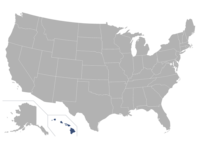
Honolulu, HI