Investing in renewables is about more than just protecting the climate
Jul 15, 2026 | 8:30 am ET
Description
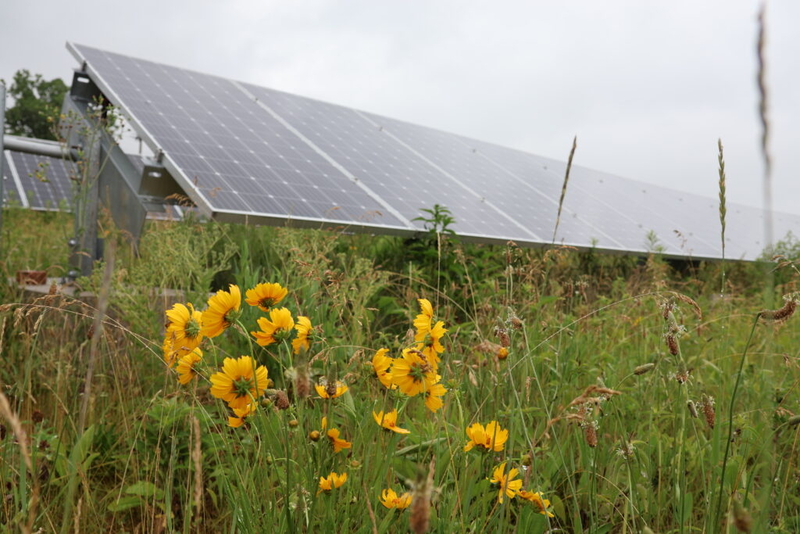
Pollinator-friendly wildflowers and other native plants in the East Lansing Community Solar Park provide food and habitats for bees, insects and birds alongside other environmental benefits, June 26, 2023 | Kyle Davidson
The issues of climate science and climate change continue to be important topics of debate and discussion in the news. While it is the overwhelming consensus of scientists that changes in the Earth’s climate are driven by increasing amounts of carbon dioxide in the atmosphere from the burning of fossil fuels, this position continues to receive pushback from proponents of the oil, gas and coal industries.
The current administration has established a fossil-fuel-centric energy policy: it has drastically cut federally-supported efforts in solar and wind energy, has strongly backed increased drilling for oil and gas, and has suppressed renewable-energy-related R&D, all in the name of supporting the fossil fuel industry. At the same time, it has denied that carbon in the atmosphere is playing a role in changing the Earth’s climate and has eliminated various federal laws regulating its production.
Here in our state, the Michigan House of Representatives in May voted to kill clean energy standards that were implemented in 2023.
The climate debate will rage on. Yet, even if we put aside for the moment the issue of the impact of fossil fuel usage on the environment, there are three additional and important reasons – economic opportunity, energy affordability, and energy security – that should inform how Michigan energy policymakers determine the role of renewables in establishing a robust energy policy.
Renewables are a golden economic opportunity
The current worldwide renewable energy market is in excess of one trillion dollars annually, and projections estimate that it will surpass two trillion dollars within the next decade. In a world that is growing ever more energy hungry and in which fossil fuels represent a limited energy resource, simply from an economic viewpoint it is not in the interest of the U.S. to be watching from the sidelines as Asia, and particularly China, dominate renewables.
Our nation has both the manufacturing capacity and the intellectual capability to compete in the massive renewable energy market, and an increased share of it will provide thousands of skilled, high-paying jobs. With its skilled engineering and manufacturing workforce and strong research universities, Michigan is well-positioned to take advantage of this market.
And none of this has to be done at the expense of fossil fuel production – we can, and should, do both of these things at the same time, at least in the near-term future.
Renewables impact energy affordability
At a time when gasoline prices and the cost of electricity and natural gas for home heating are all on the rise, renewable energy plays an important role in helping to relieve these affordability issues. Almost one-third of the electricity generated in the U.S. originates from renewable energy (hydropower, wind, and solar) and the renewable energy segment is the fastest growing source of energy.
In March of this year, more electricity was generated by renewables than by natural gas in the US, and in May, for the first time ever, solar provided more electrical energy than coal, despite the challenging federal energy policy situation. There is a simple reason for this: electricity generated by wind, hydro, and solar can be comparable in cost to or even cheaper than that generated from fossil fuel sources. Additionally, the installation of renewables is more straightforward than building new fossil fuel or nuclear plants, and the hidden cost savings in terms of human and environmental health are gigantic.
Renewables increase energy security
If the conflict in the Strait of Hormuz has done anything, it has highlighted the fragile state of our energy security. In just over eight weeks’ time, we saw the average price of a gallon of gasoline increase by over 30% relative to 2025 levels in Michigan. Continuing to strengthen our portfolio of energy sources by further development of renewables can ease pressure on the security of our energy, and free the U.S. from the shackles of a global oil market.
We should be clear-eyed in our understanding that this will not happen overnight, and renewables would be just one component of a future broad-based energy policy that would include other sources, such as nuclear and geothermal, as well as continued responsible use of fossil fuels, that together can provide safe, secure, and sustainable energy for generations to come.
The politicization of the climate change debate has unnecessarily and very unfortunately misconstrued and misrepresented the important role of renewables in developing a robust energy policy.
When full consideration is given to the benefits derived from increased economic opportunity, energy affordability, and energy security that would flow from renewable energy implementation, it becomes clear that investment in renewables is an important strategy for securing a sustainable energy future for Michigan, our nation and the world.
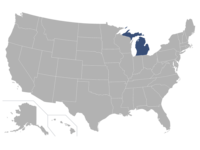
Lansing, MI