Invasive pest that threatens livestock, pets found in Texas calf as Kansas tracks situation
Jun 04, 2026 | 5:29 pm ET
Description
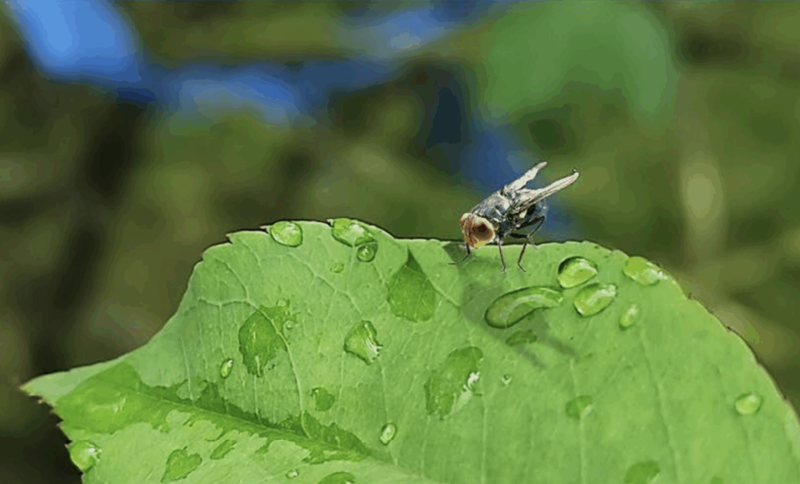
The New World screwworm is spread through fly larvae that enter open wounds in livestock, pets, wildlife and, more rarely, humans and birds. (U.S. Department of Agriculture)
TOPEKA — Scientists identified a case of New World screwworm in a Texas calf, ramping up concerns nationwide about stopping the invasive parasite that can destroy livestock herds.
The Kansas Department of Agriculture’s Division of Animal Health is educating state ranchers and others about the pest, which was previously eradicated in the United States in the 1950s and 1960s.
“NWS is not a contagious disease that spreads from animal to animal, but is the infestation of a parasitic fly,” a Kansas agriculture news release said. “NWS poses a direct economic threat to the livestock industry, but it is important to note that this does not impact food safety.”
NWS affects livestock, pets, wildlife and, less commonly, people and birds, the release said. In Kansas, the agriculture department is educating veterinarians and livestock producers about the fly larvae that burrow into open wounds on warm-blooded animals and can be deadly if untreated.
Democratic U.S. Rep. Sharice Davids questioned Secretary of Agriculture Brooke Rollins Wednesday about steps the government is taking to prevent movement of NWS into the United States from Mexico.
Rollins blamed illicit cartel movement of cattle and open border policies for the problem. The government has been fighting the proliferation of the screwworm for the past year as cases of NWS grew in Panama, Mexico and other countries, she said.
“When we got here in 2024, the models predicted that it would be on our side of the border, nothing could stop it, by last summer,” Rollins said. “We deployed a significant amount of resources and personnel into Mexico as well as south Texas, where the real threat is, almost immediately while breaking ground and building facilities that will produce the sterile flies.”
Male sterile flies are released into the wild and mate with the female flies, causing the population to die off. Rollins said with the current infestation, 400 million to 500 million sterile flies are needed each week and right now, they only produce 100 million sterile flies weekly.
Because the country has been preparing, Rollins said the government expects the cases of NWS that show up in the United States to be manageable.
“We do not believe this will be an infestation. We’ll be able to isolate each case,” she said.
Justin Smith, Kansas Animal Health commissioner, said the confirmed Texas case is a “serious concern,” but echoed Rollins’ in saying the country has been preparing for at least a year.
“NWS is a treatable condition, so early identification is critical to the health of the infested animals, which is why monitoring and reporting play a key role in managing this threat,” the state agriculture department release said.
If cases of NWS reach Kansas, the National Cattlemen’s Beef Association recommends that ranchers stop or limit procedures that create wounds that make it easier for flies to enter, such as dehorning, branding or shearing.
Topeka, KS