Inspection shows sanitation, use-of-force transparency lacking at La. ICE detention center
Jun 04, 2026 | 12:02 pm ET
Description
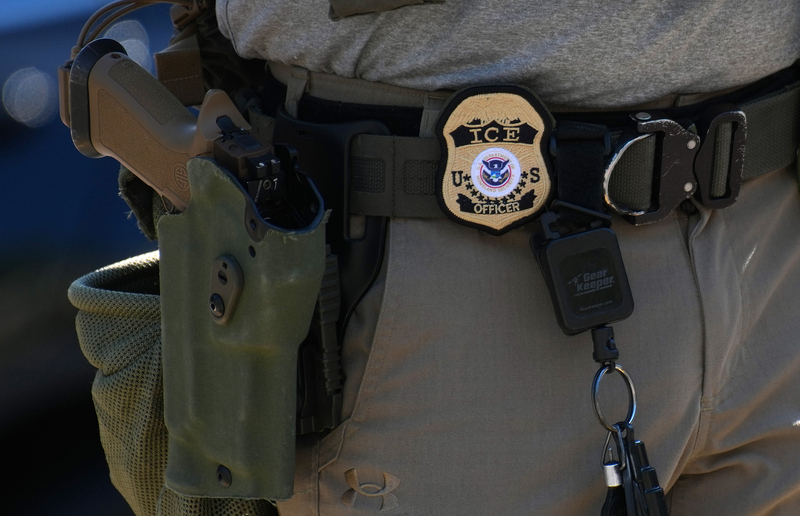
An Immigration and Customs Enforcement officer's badge and weapon are seen as ICE conducts a vehicle checkpoint in Washington, D.C. in August, 2025. (Photo by Kevin Dietsch/Getty Images)
WASHINGTON — A Louisiana detention center that houses roughly 1,500 immigrants failed to ensure sanitary conditions, properly store perishable food, properly notify use-of-force incidents and maintain medical records of detainees, according to a report published Thursday by the Department of Homeland Security’s internal watchdog.
The findings stem from an unannounced visit from federal inspectors in March 2025 to the Winn Correctional Center in Winnfield, Louisiana.
The report from the DHS Office of Inspector General comes on the heels of multiple hunger strikes from immigrants at detention centers, protests outside facilities, a rise in deaths in detention and calls from Democratic lawmakers to shut down certain sites due to poor and inhumane conditions.
In a statement, a Department of Homeland Security spokesperson characterized the report as showing only “minor infractions” at the facility, but did not address the reports of improper use of force.
“These minor infractions included failing to provide detainees exercise equipment, record keeping errors, and leaking vents,” the DHS spokesperson said. “Another infraction included providing a shared computer for legal research that would allow other detainees to see other detainees’ case information.”
The spokesperson said that U.S. Immigration and Customs Enforcement is working to address the issues laid out in the report, including “by adding additional training to facility staff.”
Use-of-force reporting
Facility staff did not properly notify the ICE field office of several use-of-force incidents, and videos of the incidents that inspectors tried to review were incomplete, according to the report.
The incidents the OIG reviewed included “applying a choke hold around a detainee’s neck,” and “puncturing a detainee’s skin with a pen to gain compliance.”
In the first video reviewed by inspectors, an officer applied a chokehold to stop an altercation between detainees. OIG investigators noted that the facility agreed “that the officer should receive remedial training.”
In a second video, “an officer could not close and secure a housing unit because a detainee would not remove his hand from the unit’s door. After verbally ordering the detainee to remove his hand, the officer then stabbed the detainee’s right thumb with a pen, puncturing the skin.”
OIG detailed that the “facility investigated the incident and determined that the officer required disciplinary action.”
But because the facility does not have a process to document when staff received extra training or disciplinary actions, inspectors argued they could not tell if staff who used prohibited practices or did not follow standards during use-of-force incidents received the appropriate follow-up training or disciplinary actions.
“This could lead to staff repeating inappropriate use-of-force tactics that could potentially result in property damage, injury, and death,” according to the report.
Sanitation and recreation
The report recommended that detainees be provided some recreational activities or equipment and noted that ICE complied, adding soccer balls, beanbag toss and pull-up bars.
The OIG report also found three leaking vents in the kitchen area, and raised concerns about sanitation.
“Because Winn did not conduct maintenance sufficient to prevent the leaks or repair or remove these leaking items, the facility risks food-safety hazards, such as residue leaking onto food preparation materials or into prepared food,” according to the report.
Inspectors also found the refrigerators and freezers that stored the food were not at proper temperatures.
“Storing perishable food at temperatures above the required ranges could cause food spoilage or rotting and potentially place staff and detainees at risk of food borne illnesses if served and consumed,” according to the report.
OIG made recommendations to ICE to fix the leaks and food temperature, and the agency agreed. OIG could not determine if ICE fixed the leaks, but did find ICE resolved the issue of food being stored at the proper temperature.
All States Newsroom content is free to republish. Read our republishing policy for more information.