As feds pull back, Oregon expands antitrust actions
Jul 09, 2026 | 7:00 pm ET

Description
Attorney General Dan Rayfield talks to the Oregon Capital Chronicle outside the Willamette Heritage Center in Salem on Sept. 12, 2025. (Photo by Laura Tesler/Oregon Capital Chronicle)
The Trump administration’s take on monopolies, mega-mergers and related activity, among the most important economic actions available to a government, often has been buried under many of the other national headlines in the last year and a half.
But the Oregon attorney general’s office — with counterparts in other states — may be about to launch a significant effort in the area.
The general purpose of anti-trust laws has been “to protect the process of competition for the benefit of consumers, making sure there are strong incentives for businesses to operate efficiently, keep prices down, and keep quality up.” The laws have often fallen far behind the times, especially in times of rapid technology change, and often leave out concerns other than consumer prices.
Anti-trust enforcement in this country was kick-started here when Congress passed the Sherman Act in 1890, but less known is that some states were working on it even earlier, and Congress voted partly in reaction to them.
Nationally, anti-trust action has trended ever weaker over the last century, and as one analysis from a large law firm working in anti-trust noted, “the transition to the second Trump administration has ushered in a much more favorable antitrust enforcement climate for M&A [mergers and acquisitions].” Friends and allies of the administration appear to get concierge service rather than tough skepticism.
But the feds aren’t the only anti-trust game around.
Most states have anti-trust laws on their books as well, some preceding federal laws and sometimes mirroring them, and many states have been active in enforcing them. That’s not a far reach, either; even the Federal Trade Commission (one of the major national anti-trust enforcers, at least in theory) says on its website, “most states have antitrust laws that are enforced by state attorneys general or private plaintiffs. Many of these statutes are based on the federal antitrust laws.”
In recent years, states increasingly have been banding together to bring major anti-trust actions. Earlier this year, eight attorneys general (led by California’s but including Oregon’s) moved to stop the planned merger of Nexstar Media Group and the broadcast company Tegna,which owns KGW-TV; that fight is ongoing.
In May, five states (again including Oregon) went to court with an attempt to expand their ability to undertake more kinds of anti-trust action.
Oregon was also among the parties in the legal battle against the Kroger-Albertsons grocery merger, which ultimately fell apart. It also was a player in the Live Nation/Ticketmaster case.
Nearly all states have anti-trust law in place; Oregon’s is the simply-named Oregon Anti-Trust Law (in chapter 646 of title 50). One review of state anti-trust laws notes that while it includes provisions against cartels and conspiracy, single-firm conduct and price discrimination, it doesn’t include provisions other states have concerning monopsony (where a single major buyer effectively controls the market), buyer power or interlocking directorates.
The whole area of anti-trust law has been busy enough that the Oregon State Bar has an Antitrust and Trade Regulation Section for members.
Don’t be surprised if a few expansions in Oregon’s anti-trust are proposed in an upcoming session of the legislature.
Legal activity seems about ready to expand. On June 17, Attorney General Dan Rayfield asked the Oregon Legislature’s Emergency Board for permission to hire 16 staffers — five attorneys and 11 other support staff — to triple the capacity of the already-existing Antitrust Division.
That speaks to something more ambitious than the state has seen so far. You can get a sense of that from the source of the funding for the new jobs: Not from state tax funds but from money recovered from losers in anti-trust cases.
In his statement after the funding approval, Rayfield seemed to indicate what he has in mind:.“Grocery bills are skyrocketing, there are fewer choices for things like cable and internet service, and things like tickets to concerts and movies are increasingly out of reach. A big part of the reason is that corporations are being allowed to consolidate unchecked – with no federal oversight. Oregon and other states are now the last line of defense to protect working families and that’s what drove the urgency behind today’s action.”
As a matter of politics, such a mindset is aimed directly at the barely affordable cost of living so many Oregonians experience. The Democratic argument writes itself: The Trump administration won’t do anything meaningful about prices, so we will.
Expect to hear more about this in the months ahead.
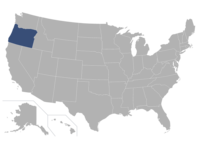
Salem, OR