Dover agrees to plan to balance budget with tax increases, department cuts
May 22, 2026 | 7:03 am ET

Description
Photo courtesy of Spotlight Delaware
Why Should Delaware Care?
Delaware second largest city is moving forward with a plan to close a budget shortfall by raising residents’ taxes and cutting departmental budgets. City council and staff say they have tried to keep tax increases at a minimum by tapping into all possible funding sources.
Following weeks of uncertainty, Dover city officials have reached a consensus about how to close a $7 million budget shortfall. They say they will raise residents’ property taxes and electricity bills.
The budget plan, which passed nearly unanimously at a city council workshop on Wednesday evening, includes a three-cent increase per $100 of assessed value on city residents’ property taxes, and a one-cent increase to their current per-kilowatt-hour electric usage rate.
The City Council still must formally approve the plan.
According to example bills presented by city staff during the workshop, the increases would cause a resident who owns a $150,000 home to pay $15 more toward taxes and energy during a mild weather month, and $25.50 more during an intense weather month.
Those increases — combined with substantial cuts, including to road improvements — will allow the city to move forward with a balanced budget this year. But questions still loom as to how Delaware’s capital city will develop more sustainable budget solutions in the years to come.
The budget will be formally introduced and subsequently voted on during upcoming city council meetings in June.
Acting City Manager Sharon Duca said the budget still could see minor revisions between now and its first reading on June 8, but the final ordinance is likely to look similar to the plan council members approved on Wednesday.
‘Finding the money’
In addition to the tax increases, the city cut millions of dollars across multiple departments.
The cuts include freezing hiring for all vacant positions, postponing new vehicle and equipment purchases, and pausing capital improvement projects like repaving roads and improving water quality.
The city council reviewed and debated the budget proposal submitted by Duca’s office during a two-day budget workshop on Tuesday and Wednesday.
Some council members pushed for the city to draw more money from other places, such as a fund earmarked for new business development, or defund the city’s police training academy, instead of raising taxes.
Ultimately, Councilman Brian Lewis was the only vote against advancing the budget with tax increases. Councilwoman Julia Pillsbury was absent from the workshop.
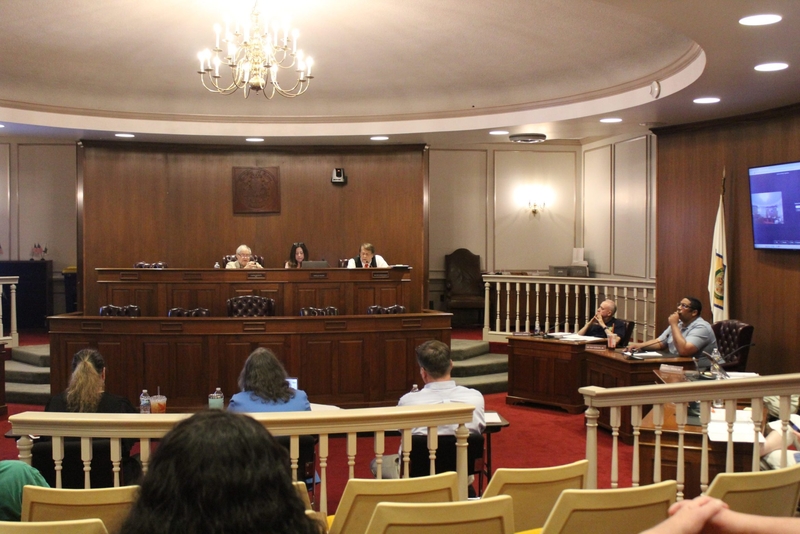
Lewis told Spotlight Delaware he is too worried about the impact the increases will have on senior citizens and other residents strapped for money in his district. He still wants the city to “seek more revenue sources” to close the budget gap instead of turning to a property tax increase, he said.
Other elected officials said they are pleased the city was able to resolve its large budget shortfall with a relatively minor tax increase – and without dipping into the city’s budget reserves, as they have done in other recent years.
“I think we’re doing the best that we possibly can, and we will have a balanced budget with a minimal increase in the property tax rate,” Council President Fred Neil said.
A couple of Dover residents showed up to the budget workshops to express opposition to the proposed tax rate increases, and the city’s budget shortfall situation more generally.
“Leave my taxes alone and my pocket alone and take it from your pocket,” resident Bonnie Pennington said. “We’re sitting here talking to y’all, and nothing is getting done.”
City staff also sounded an alarm during the meeting. Having such a lean budget, and delaying improvement projects is not sustainable in the long term, they said.
“The level of deferments in fiscal year 2027 is not sustainable,” Duca said. “There’s often been a saying of, ‘Find the money.’ Finding the money is not an option.”
Crunching the numbers
The capital city originally faced a $13 million budget shortfall when it began its budgeting process earlier this year.
Spending cuts across multiple departments decreased that shortfall to $7 million earlier this month, and the newly proposed tax increases will balance the city’s revenues and expenses at $57.6 million for the next fiscal year.
Duca described her focus while revising the initial budget as maintaining essential services while minimizing increased fees imposed on residents.
The increased electric usage fee will provide $6 million in revenue to the city, while the raised property taxes are projected to generate an additional $1.1 million, Duca said.
The city also plans to implement a monthly public safety fee at a staggered rate for commercial properties, depending on their size, Duca said. This will divide the funding burden for the police department between residents and businesses, and cover more of the roughly $25 million gap between the Dover Police Department’s budgeted expenses and the revenues it brings in.
The original budget proposal included a larger property tax increase and a public safety fee on residential properties, in addition to businesses, in order to raise the funds to close the shortfall.
But the General Assembly confirmed this week it would pay the city of Dover $1.6 million for fire and police services the city provides to Delaware State University, leading council members to reduce the property tax increase and strike the residential public safety fee entirely.
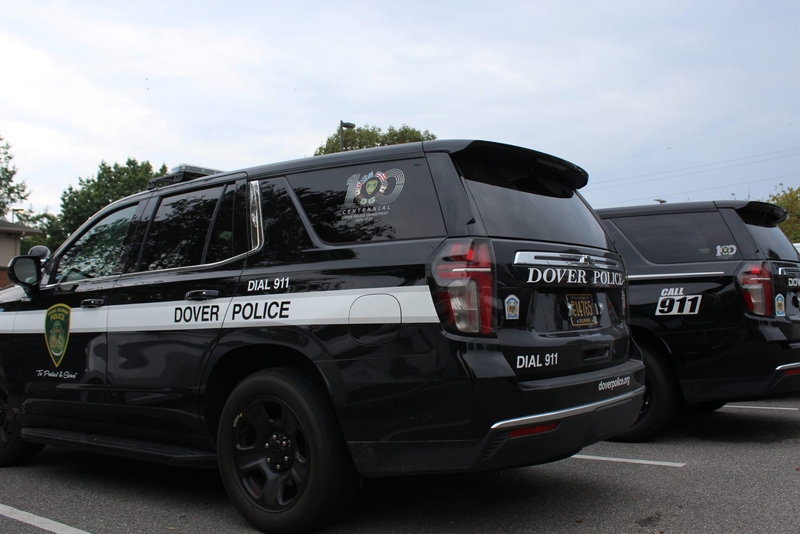
The Dover Police Department is by far the largest and most expensive department in the city’s budget, making up more than 48% of total expenditures under the revised budget figures.
The department, which has drawn considerable attention over the past year due to conflict between Chief Thomas Johnson and the local police union, was the only department set to receive a sizable 8% increase in funds and to hire more positions in the originally drafted budget.
In the reworked budget, however, the police department’s allocation was cut down. It no longer includes any new positions and features a smaller 5% total department budget increase – up from $25.7 million last year to $26.3 million this year.
The department’s budget also includes about $670,000 to be spent on flock security cameras and body-worn cameras for officers, as part of a five-year lease program that is paid out incrementally each year.
Throughout the budgeting process, city council members have honed in on the fact that roughly 40% of property in the city is exempt from paying property taxes —
properties like the Dover Air Force Base, DSU and Legislative Hall — causing a major hit to the city’s tax revenue.
Elected officials pointed to the public safety fee proposed as a part of this year’s budget, and the higher education public safety fund from the General Assembly, as helpful ways to offset the impacts of revenue lost from the nontaxable property in the city.
The city also receives payment in lieu of taxes – or PILOT money – from the state for the large tax exempt properties within its limit.
Duca said the PILOT money allocated to Dover is included in the city’s projected $18.2 million in property tax revenue. She declined to say specifically how much the city receives in PILOT money, instead directing Spotlight Delaware to submit a FOIA request for the information.
A debate over approach
While city council members lauded the two days of workshops as a relatively collaborative effort, some disagreements arose over raising property taxes and how much to prioritize police department funding.

Lewis, the lone vote against approving the budget plan, proposed that the city use the remaining $1.6 million in its Economic Development Fund — typically used to purchase properties for businesses or other infrastructure improvements to attract businesses — to offset the need for a property tax increase.
But his suggestion was rejected as other council members described the economic development fund as a key engine for drawing future businesses to the city, and ultimately expanding its tax base.
“I’m reminded of the story about if you give a person a fish, they eat for the day, if you teach a person to fish, they eat for a lifetime,” Neil said. “This [fund] is a fishing pole.”
The budget workshops also included a lengthy — and at times heated — debate over the viability of the city’s police academy, which trains new officers for the Dover Police Department and other departments in the state.
Councilman Roy Sudler called for the academy to be suspended until more data is provided about the revenues and costs of its operation.
Sudler leveled charges against Dover police for not having “a stellar reputation… because [the officers] feel as though the leadership is not sufficient.”
But other council members jumped to the academy and police department’s defense, saying they are vital to the success of the city, and to attracting more businesses and residents to downtown areas.
“There is dollar value to the Dover Police Academy,” said Mayor Robin Christiansen, who spent most of his comments throughout the workshop defending the police department. “I would appreciate your support in keeping the police academy in place, so we can meet the public safety responsibilities of a growing city.”
Ultimately, the council directed city staff to conduct an assessment on the “sustainability” of the police academy and present findings during the June 8 city council meeting, where the budget proposal also will formally be introduced.
Get Involved: The first reading of the Dover budget ordinance will take place at the next city council meeting, scheduled for 6:30 p.m. on Monday, June 8, at Dover City Hall.

Dover