Deer hunting down, DNR encourages hunters to test for CWD and practice gun safety
Nov 26, 2026 | 4:15 am ET
Description
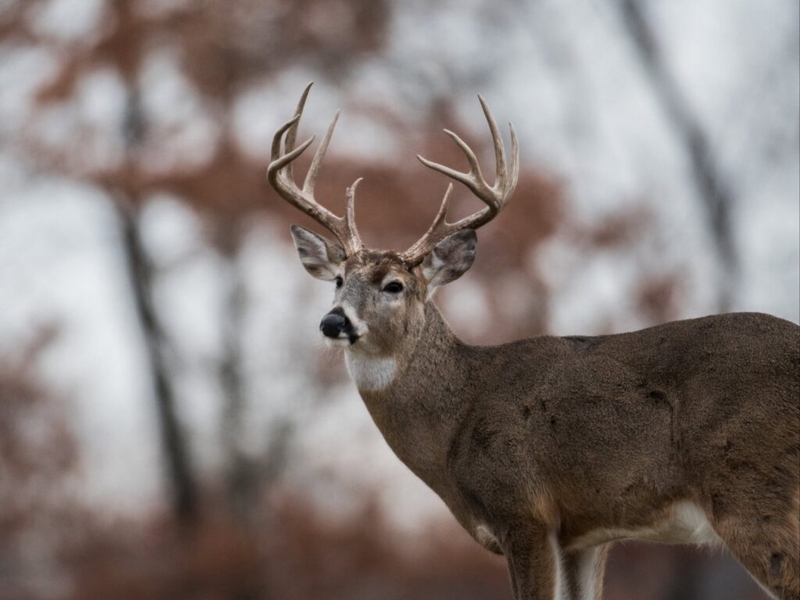
A whitetail deer. The Wisconsin Department of Natural Resources reported this week that preliminary numbers of hunters in the 2026 deer gun season were down slightly. (Wisconsin DNR Facebook page photo)
For many Wisconsinites, deer stands and hunting are as much a part of the Thanksgiving season as pumpkin pie and turkey. Estimates released by the Department of Natural Resources, however, suggest that there are fewer hunters in the woods this year. Meanwhile, new cases of chronic wasting disease were reported over recent months, including in counties that reported CWD for the first time.
On Tuesday, the DNR released preliminary figures suggesting that the number of deer hunters in Wisconsin decreased by 1.5% from 2025. The decline included gun, archery, crossbow, conservation patron and sports licenses for the deer season, which opened for guns on Saturday, Nov. 21. Out of the over 766,000 sales for deer hunting licenses issued so far this year, 405,895 were for gun privileges only.
Final licensing figures will be available in January, the DNR stated in a press release. During opening weekend for the gun season this year, hunters registered 80,145 deer, compared to 90,720 in 2025. That’s a 11.7% decrease since last year, and 12.7% below the five-year average. Antlered deer registered by hunters during opening weekend decreased by 5.4%, and antlerless deer harvests declined by 19% from last year.
Temperatures during opening week were generally warm and wet across most of Wisconsin on Saturday. There was moderate rainfall in western regions of the state, while northeastern areas received the most rain. By Sunday, temperatures fell and winds picked up. The preceding warmer weather may have been more tolerable for hunters, but is known to decrease deer movement as well.
Some areas saw deer activity while others reported little or no daytime movement, according to the DNR, and generally deer sightings and harvests were down. Whether that changes before the end of the deer season Nov. 29 won’t be clear until after the full nine-day gun season.
Deer hunting contributes upwards of $1 billion to Wisconsin’s economy, and popular game species like deer help support conservation efforts for other species — making chronic wasting disease in deer a pressing matter.
CWD, which first emerged in 2002 in Wisconsin, is a fatal neurological disease which is gradual and degenerative for deer, elk, and their relatives. An infected deer may look gaunt, unhealthy, may have discharge around the mouth, or may behave in a listless or unalert manner.
In 2024, the DNR completed an “unprecedented” study which found that due to CWD a female deer’s chances of survival decreased from 83% to 41%, and a male deer’s chances from 69% to 17%. The study also found that once the prevalence of CWD among female deer surpasses 29%, that the deer population in Wisconsin is expected to decline.
DNR officials have not calculated the current prevalence of CWD in Wisconsin deer.
CWD can occur in both farm-raised and wild deer. On Monday, the Department of Agriculture, Trade and Consumer Protection reported that two 3-year-old bucks at a Price County deer farm had tested positive for CWD, and that the area has been quarantined. On Wednesday, Nov. 18, the DNR announced that CWD had been detected in a wild deer from Pepin County for the first time, in an adult buck, and that a feeding and baiting ban in Pepin has been extended for three as a result. The ban will remain in effect until no additional signs of CWD are detected within 10 miles of Pepin and adjacent counties, according to DNR.
In October, a deer farm in Taylor County detected CWD in a young buck. That same month, another young buck in Marinette County, near Peshtigo, was found to have CWD, representing the first case for Marinette County. A similar baiting and feeding ban in Marinette County has also been extended for three years.
State officials say hunters should test their deer for CWD. Although no cases of CWD jumping to humans have been reported, officials say vigilance is important to track the spread of the disease, because some hunters participate in the DNR’s deer donation program, which stocks food pantries around the state with deer meat.
According to the Wisconsin Department of Health Services, almost 900,000 Wisconsin residents, about 15% of the state’s population, received food assistance at least once in 2025.
Marcus Rufledt, the DNR deer donation program manager, said that with community food pantries across Wisconsin seeing a rise in demand for food assistance, the program is encouraging hunters to donate venison to the program.
The DNR reported a 58-year-old man who was injured when he was shot in the leg when two deer entered the field during a group hunt. Both the shooter and the victim were wearing blaze orange. Last year there were two firearm-involved hunting incidents which resulted in injuries, according to the DNR.
The DNR uses the acronym TAB-K to remind hunters on the four rules of firearm safety:
- T- Treat every firearm as if it is loaded
- A- Always point the muzzle in a safe direction
- B- Be certain of your target, what’s before it and what’s beyond it
- K- Keep your finger outside the trigger guard until you are safe to shoot
The DNR’s Citizen Deer Advisory Council, which focuses on deer management, hunting, and conservation, is accepting applications for new members until Monday, Nov. 30. Council members meet annually to review deer management data, hear public input and provide recommendations to the DNR and the Natural Resources Board.
“White-tailed deer are an iconic species in Wisconsin, bringing forward a variety of perspectives in how they should be managed,” said Steve Burns, a deer and elk specialist with the DNR. The advisory councils allow for public involvement in deer population management, he said, and members receive “an in depth look at deer management issues and meet with DNR staff as representatives of their community.”
Madison, WI