Data shows record low compliance from Oregon families with kindergarten vaccine requirements
May 29, 2026 | 2:02 pm ET
Description
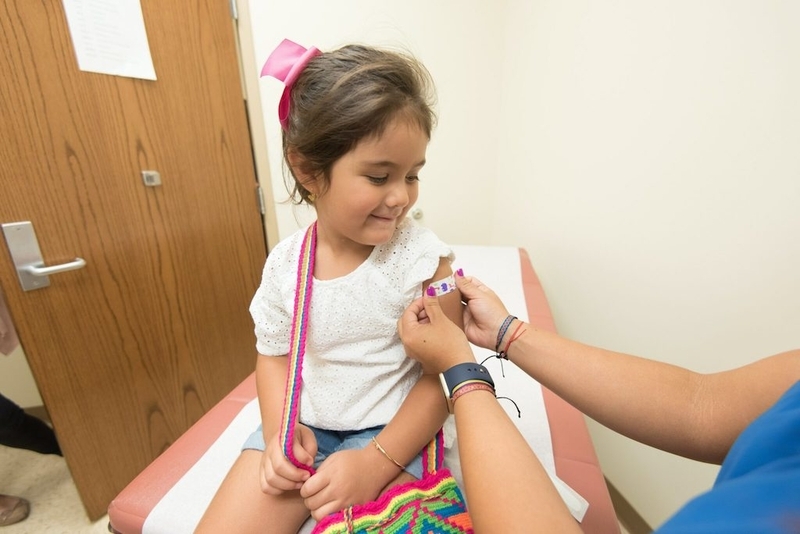
A health care professional picks up a vial of vaccine. The number of Oregon students whose families have filed for nonmedical exemptions from school kindergarten vaccination requirements has risen, state data finds. (Getty Images)
A record high number of Oregon kindergartners entered school without required vaccines this year, new state data shows.
The Oregon Health Authority released figures on Thursday showing a 10.9% rate of vaccine exemption on nonmedical grounds statewide, compared to 9.7% in the prior school year and 6.9% in the 2021-22 school year. When combined with medical exemptions — children with severe allergies to vaccine ingredients or weakened immune systems because of disease or chemotherapy — the data shows only 85.6% of current kindergarteners are up to date on required vaccines.
The data comes as pertussis and measles cases have skyrocketed nationwide in the past year, with 23 cases reported in Oregon in 2026. Health officials say a 93% vaccination rate for measles, mumps and rubella is necessary for herd immunity to prevent outbreaks, but more than one-third of Oregon schools with 10 or more students in K-12 don’t meet that baseline requirement.
“Although the vast majority of families in Oregon are still choosing to protect families through vaccination, the downward trends are deeply concerning,” Howard Chiou, medical director for communicable diseases and immunizations at the Oregon Health Authority’s public health division, said in a statement. “We risk seeing the return of diseases such as measles and polio — diseases of the past that once caused widespread harm but are entirely preventable with vaccines.”
Oregon has been on a downward trend for a decade when it comes to the percentage of kindergarten students who are up to date on required vaccines, with the steepest decline happening since the 2021-2022 school year after the onset of the COVID-19 pandemic, according to state health officials.
The vaccination most commonly avoided through nonmedical exemptions is the second dose of the measles vaccine, which has seen a more than 90% increase in the rate of exemptions over the past decade. The next least popular vaccination is the diphtheria, tetanus and whooping cough vaccine, known as DTaP.
“Even when overall vaccination rates are high at the state or county level, that can sometimes hide significant risk at an individual school, so parents should not assume their local schools will also be well protected,” Chiou said in a statement. “We encourage families to look at the immunization rates for their child’s school to better understand personal and community risks.”
All but one of the 23 measles cases identified in Oregon this year involved unvaccinated people or people with unknown vaccination status, while the remaining case was a person who received just one of the two measles vaccine doses.
Oregon lawmakers this past legislative session also passed legislation that would make it easier for the state to require health insurance plans to cover vaccinations despite shifting federal guidance from the U.S. Department of Health and Human Services’ Centers for Disease Control and Prevention. The state is also a member of the pro-vaccine West Coast Health Alliance, which has rebuked recommendations from the CDC’s vaccine advisory panel shaped under the political influence of U.S Health and Human Services Secretary Robert F. Kennedy Jr., one of the nation’s most prominent vaccine skeptics.
Salem, OR