CT launches online tool for students to search post-secondary programs
Aug 06, 2026 | 5:20 pm ET
Description
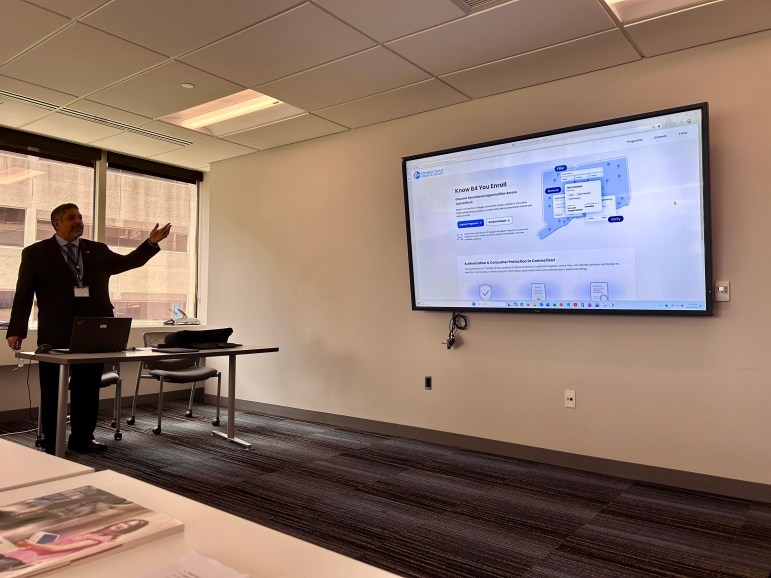
Photo courtesy of CT Mirror
Connecticut’s Office of Higher Education has launched a redesigned credential registry — online — which officials hope will serve as a one-stop-shop for students interested in learning about post-secondary education and training programs across the state.
The tool combines enrollment information on approximately 130 colleges, universities and private career centers and more than 4,200 credit and noncredit programs. The programs range from certificates and occupational training through associate’s, bachelor’s, graduate and professional degrees.
OHE used to publish this information in physical “almanacs.” In an effort to make the information more widely accessible, the agency enlisted the collaboration of New Haven software company Veoci. Records are submitted and maintained by each institution, and Veoci — a long-term partner of OHE — hosts the database.
“This is one of Connecticut’s best-kept secrets, and I wanted to change that,” Sean Seepersad, division director of academic affairs with OHE, said.
Seepersad added that another key purpose behind the new resource is to protect students against predatory entities. The institutions included in the state’s registry have all received authorization from the state of Connecticut to offer education and award credentials.
It’s all part of what OHE is calling a “Know B4 You Enroll” public awareness campaign. The agency has also created an “Authorized in CT” badge, which is meant to be published on institutions’ websites. The badge contains a QR code that directs users back to the credential registry.
Seepersad said unauthorized educational businesses can end up costing students money and time without the payoff of a usable credential.
For example, “For you to work as a nail technician, you need to be licensed in the state of Connecticut,” he said. “If you get that training and it’s by a school that’s not authorized and you go to the Department of Health and say, ‘Can I get a license?’ they’re going to tell you no.” He said it’s common for cosmetology programs to be unauthorized.
So far this year, there have been 16 complaints of unauthorized programs. Last year, there were 23.
OHE recommends students confirm the current education and eligibility requirements with appropriate licensing agencies before enrolling in any program. Even programs with authorization might not be eligible for professional licensure.
Marcie Addy, director of education with the Construction Education Center, said she believes students deserve clear, accessible and trustworthy information before they sign an enrollment agreement.
“These individuals are often investing their time, their money, their futures into these training programs while juggling work, family and other responsibilities,” Addy said. “A stronger registry means better informed students and a stronger private career school sector overall.”
State Sen. Derek Slap, D-West Hartford, spoke from the perspective of both co-chair of the legislature’s Higher Education and Employment Advancement Committee and parent.
“I’m in it right now. I have two in college and one in high school. It can be really overwhelming,” he said. Slap added that the registry could help make post-secondary education more accessible by making good information widely available to prospective students in the state.
“It’s very consistent with what our focus has been on the Higher Education Committee the last few sessions of increasing and addressing affordability,” he said, adding that he hopes more residents can find scholarships and cost-effective programs through the tool.
Hartford, CT