Consumer Advocate calls for proof that Alliant gas plant is cost effective
Sep 22, 2026 | 6:09 pm ET
Description
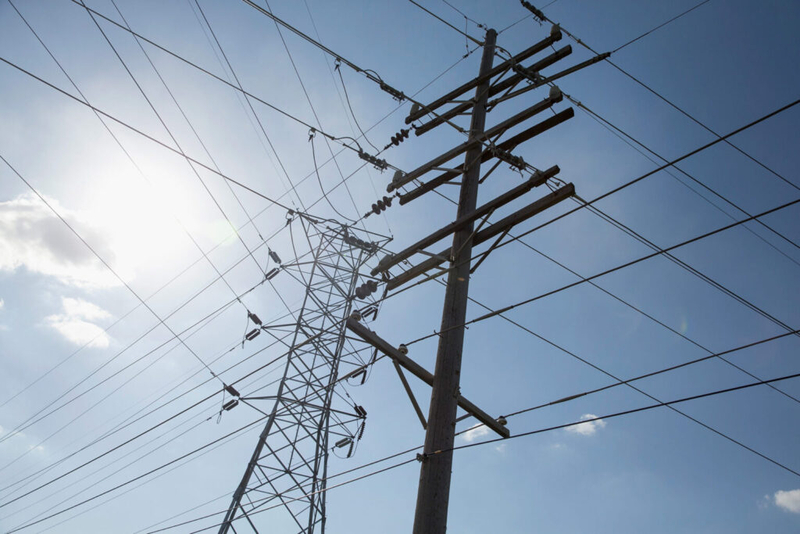
The Office of Consumer Advocate is asking the Iowa Utilities Commission to require additional information before approving a certificate for a gas peaker plant. (Photo by Scott Olson/Getty Images)
The Office of Consumer Advocate is asking the Iowa Utilities Commission to require additional information and a hearing for an Iowa gas peaker plant planned for Cerro Gordo County.
Interstate Power and Light Company, an Iowa branch of Alliant Energy, applied for a certificate of public convenience, use and necessity with IUC for its Riverhawk Energy Center project, a 1,200-megawatt natural gas turbine plant. The consumer advocate and clean energy groups have urged the utilities commission to require evidence that the project is cost effective before it approves the certificate.
In a Sept. 11 filing to the IUC, the Office of Consumer Advocate said estimated capital costs of building the plant and its ongoing expenses are “significant and raise additional concerns concerning affordability for IPL’s current customers, if the costs are passed onto customers.”
The consumer advocate’s filing argues the company is potentially taking advantage of the system to approve and build the facility before proving it is cost effective and necessary. The company, however, argues that costs from the project cannot be passed on to customers without IUC review at a rate proceeding.
“IPL should not be allowed to exploit the (certificate of public convenience) and advance ratemaking statute in a manner that would allow for the development of the largest natural gas facility on record with essentially no upfront review of the need for, cost of, or ongoing fuel cost impacts relative to other generation resource choices,” the Office of Consumer Advocate wrote in its objection.
In a filed response to the Office of Consumer Advocate objection, Interstate Power and Light said the issue of “whether a project is prudent, necessary, and cost-effective” is not “relevant” in approving a certificate of public convenience, use and necessity, which the company seeks from the IUC.
Company argues this is not the format for proving necessity
IPL argued in the filing, and in a previous response to concerns raised by the Office of Consumer Advocate, that IUC has previously approved certificates of public convenience without evaluating if the project is “prudent, necessary, and cost-effective.”
“Consistent with the numerous rulings of the Commission, IPL is not required to present additional evidence relating to cost-effectiveness and need in this docket – such information must be resolved in a ratemaking proceeding, not this docket,” the filing reads. “A ruling to the contrary would be inconsistent with the prior precedents of the Commission and would implicate Iowa Code.”
The latest filings follow calls from Iowa Business for Clean Energy for greater public scrutiny of Interstate Power and Light’s generation plans and their connection to the company’s contracts with data centers.
Bob Rafferty, Iowa Business for Clean Energy’s executive director, said in a news release Tuesday that utilities should be required to demonstrate “that projects are truly needed, are the most cost-effective option available, and that the customers driving the need are paying their fair share” before customers are “exposed to billions of dollars in risk.”
“Consumers deserve full transparency about the need, cost-effectiveness, fuel cost impacts, and customer impacts of the proposed power-generation facilities before customers are committed to decades of costs and risks,” Rafferty said. “If these projects are truly needed and represent the best choice for customers, the utility should have no problem demonstrating that through a rigorous public review process.”
The OCA filing estimates that Alliant’s Riverhawk facility, combined with the Morgan Valley Energy Center, another flexible energy natural gas plant project from company, will cost between $2.1 billion and $3.2 billion, “without considering the ongoing costs of operating the facilities.”
Coal increased its share of Iowa electricity generation in 2025, report shows
IPL’s Sept. 17 filed response to the Office of Consumer Advocate does not address the multibillion-dollar cost estimate from OCA.
A spokesperson for Growing Iowa’s Economy, a group promoting “responsible” data center development and of which Alliant is a member, said “siting approval of a project does not automatically mean its costs are included in customer rates.”
“Any request for cost recovery must be reviewed in a future rate proceeding, where the Commission determines whether the investment was prudent and what costs can be included in customer rates,” the spokesperson wrote in an emailed statement. “One of our members, Alliant Energy, has committed to keeping electric base rates stable through the end of the decade.”
Interstate Power and Light’s response to the OCA objection notes precedent set by the Iowa Utilities Commission’s decision to grant a certificate of public convenience to MidAmerican Energy for a proposed 50-megawatt solar project. In IUC’s final order for the certificate, commissioners said whether the project was prudent, necessary or cost-effective, “are questions that fall outside the scope of this proceeding.”
Office of Consumer Advocate argued that IUC has not approved a certificate of public convenience and necessity “for a gas-fired generating facility of the size and scale presented in this case without underlying resource planning support.”
The OCA comments also argue that the Riverhawk project is “more than a mere peaking facility” which are constructed with the intent of running when electric demands are “peaking,” like during a heat wave for example. OCA, and comments from Iowa Business for Clean Energy point to IPL filings that indicated the facility could run more frequently depending on market conditions.
In their response, IPL said the “the legal standard for a certificate is the same regardless of how frequently the facility is expected to operate” and that the issue would be more appropriately considered in a ratemaking proceeding.
The Clean Energy Districts of Iowa and Iowa Business Energy Coalition also submitted comments on the docket sharing some of the concerns of the Office of Consumer Advocate.
The comments ask commissioners to require a resource evaluation study and evidence of cost-effectiveness and need before IPL’s certificate for the Riverhawk facility can be approved.
“This issue warrants the filing of testimony and a hearing,” the OCA comment reads. “If IPL does not provide evidence demonstrating that its proposed generation is cost effective, including in relation to fuel costs, the Commission must deny the certificate.”
IPL’s response said the only issues asserted by the groups are “legal in nature” over whether prudency, necessity and cost-effectiveness must be proven in a certificate of public convenience application. The utility company argued the IUC has already made that determination in previous dockets.
“The legal issues over the applicability of cost-effectiveness and need have been fully addressed and can be resolved without the need for an evidentiary hearing,” the company said and requested IUC waive the hearing.

Des Moines, IA