Report shows New Mexico still struggling with housing, homelessness despite $524M in recent spending
Sep 22, 2026 | 3:32 pm ET

Description
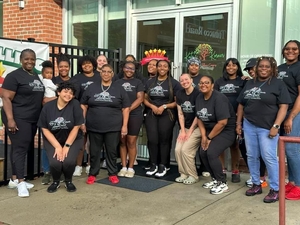
Workers with Health Care for the Homeless offer water, education and treatment to unsheltered New Mexicans in Albuquerque in response to high heat risk. (Courtesy of Health Care for the Homeless/Sara Lucero)
Despite the construction of about 62,000 housing units in recent years, New Mexico still struggles with housing affordability, uneven regional growth and increasing homelessness, according to a new state report.
The Legislative Finance Committee on Tuesday published a report that examined more than $524 million in recent state expenditures aimed at housing, affordability and homelessness. While the state’s housing supply has significantly increased since 2020, the report found that state-supported developments account for a small portion of the increase and that the Legislature has often failed to identify clear markers of success in the projects it supports.
The report found that New Mexico is generally exceeding the annual number of new housing units needed to address the ongoing housing shortage, but noted that new developments are not always built in the areas that need them and are sometimes too expensive for extremely low-income residents.
Although New Mexico has seen an increase in homebuilding, it’s lagged behind the rate of construction nationally and in neighboring states.
In the decade after the Great Recession and the national housing crash, from 2010 to 2020, the report found that the number of permits issued in New Mexico to build new housing developments increased 15%. In Arizona and Texas, the increase was 388% and 161%, respectively, according to the report.
While the cost of housing in New Mexico is often lower than in larger Arizona or Texas cities, wages are also lower, LFC Program Evaluator Josh Chaffin told lawmakers at an interim LFC meeting in Las Cruces Tuesday.
To illustrate the point, Chaffin repeated a statistic that the New Mexico Mortgage Finance Authority briefed lawmakers on earlier this year: Nearly half of all New Mexico renters are “cost-burdened,” meaning they spend more than 30% of their income on rent and other housing expenses.
“Our affordability problem in this state is a little different,” he said. “Housing can still be unaffordable relative to what people earn.”
While much of Tuesday’s report addressed systemic problems across the state, a subsequent presentation from southern New Mexico officials offered a glimpse into how municipalities can work directly with nonprofit organizations to address issues surrounding housing and homelessness without straining public resources.
Southern New Mexico officials presented the “Las Cruces model,” in which city officials decades ago made the decision to purchase property and then let homelessness nonprofits independently operate on it.
Five nonprofit organizations are based on the city-owned campus and offer services for housing, health and food security issues. The campus includes Mesilla Valley Community of Hope, which operates a shelter for unhoused people and employs case managers who help them find employment; and the Amador Health Center, which provides medical and behavioral healthcare and substance use disorder treatments. Other nonprofits on-site include a soup kitchen, food bank and early childhood education center.
By housing all of these services in one place, local officials said they’re able to reach the people who need them most. And beginning in 2025, nonprofits operating on the city’s campus are no longer required to pay rent to the city if their services rendered are of equal value to market rent.
“We cover the breadth of the housing continuum, from homelessness to home ownership,” Las Cruces Housing and Neighborhood Revitalization Administrator Natalie Green told lawmakers Tuesday.
Lawmakers at the hearing said they’d like to see local officials in their districts embrace similar public-private partnerships.
“Good job…You know what you want to do in your community and you’re figuring it out,” Sen. George Muñoz (D-Gallup) said. “You want to move to Gallup?”
Santa Fe, NM