Candidate Q&A: Colorado governor
Jun 08, 2026 | 6:00 am ET
Description
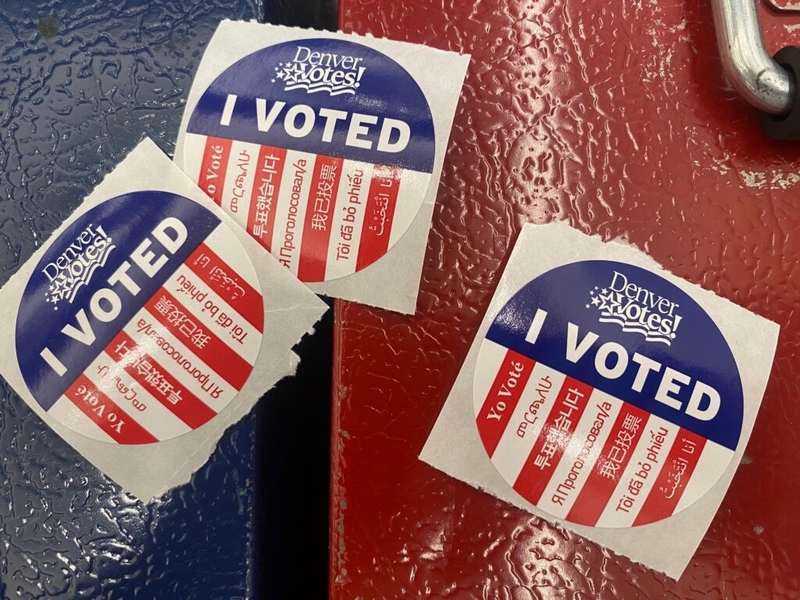
"I voted" stickers are seen at the Blair-Caldwell African American Research Library polling location in Denver on Jan. 25, 2024. (Quentin Young/Colorado Newsline)
Coloradans will elect the 44th governor in state history this year, and the nominees of the Democratic, Republican and Unity parties will be determined by primary elections on June 30.

Gov. Jared Polis, a Democrat first elected in 2018 and reelected four years later, is term-limited.
Colorado Newsline sent questionnaires to candidates in contested primary races and is publishing responses as part of its voter guide to help Coloradans make informed choices.
Ballots were scheduled to be mailed to all registered voters in Colorado starting June 8.
Voters can contact their county clerk if they have not received their ballot or check the online BallotTrax system. They can also visit the secretary of state’s website to make a plan to vote in person ahead of or on Election Day. Ballots need to be received by the county clerk by 7 p.m. on that day, so voters should mail their ballot at least eight days ahead of time or drop it off in person.
Editor’s note: This story was updated on June 9, 2026 to include responses from Victor Marx received after publication. Newsline has also sent a questionnaire to Republican write-in candidate Kelvin “K-Man” Wimberly.
Colorado governor, Democrats
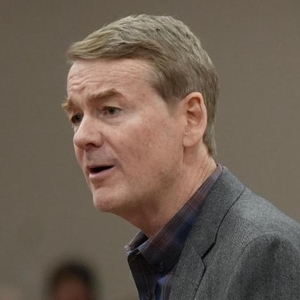
What would be your highest priority as governor during your first year in office, and how should Coloradans measure your progress?
WEISER: My top priorities will be fighting back against the Trump administration and ensuring the next generation can afford to live in Colorado and has the opportunity to thrive here. Right now, the federal government is attacking the rule of the law, slashing funding for critical programs and rolling back civil rights. As attorney general, I’ve sued the Trump administration 65 times — and we’re winning again and again. As governor, I’ll fight to protect Colorado against this lawless, bullying administration. Colorado also faces skyrocketing housing costs that are pushing teachers further away from the communities where they work, our healthcare system is broken, and our economy is leaving too many behind — especially the next generation. As governor, I’ll build more housing Coloradans can afford, launch “Primary Care for All” to fix our broken healthcare system, and make it easier to start a business. I’ve done this work as attorney general — taking on corporate landlords, fighting mega-mergers that threaten to jack up prices, and holding Big Pharma accountable. I’ll measure success by how many young people chose to stay in Colorado and can afford a life here — and whether teachers can afford to live in the communities where they work.
BENNET: My highest priority will be taking the cost-of-living crisis head on and doing the hard work of moving Colorado forward. My wife Susan and I raised our three girls here — and I want them to build their lives here, too. But for too many people, that’s getting harder. Costs are too high. Families and businesses are being pushed out. Our budget is in crisis. And Donald Trump is doing everything he can to make things worse. He’s sending masked agents into our communities, attacking Colorado day in and day out, and trampling over the rule of law. As governor, I will work with Colorado to build an economy that works for everyone, not just those at the very top. That means ensuring no Coloradan has to pay more than 30% of their income on housing, launching a real public option for healthcare to drive costs down, starting an economy-wide cap-and-invest program to hold corporations accountable, and making sure our public education system is giving students the skills they need to enter the middle class.
When it comes to state laws and regulations you want to see enacted as governor, what is the most substantial policy difference between you and your primary opponent?
WEISER: The Supreme Court’s Citizens United ruling has been toxic to American politics. Big corporations and dark money are corrupting our elections and eroding confidence in government. As a result, far too many politicians focus on the needs of the wealthy few and powerful companies — not those of the people who voted for them. We can address this devastating court ruling by taking action here in Colorado — and it can be done by amending our laws to make it explicit that corporations are not, and don’t possess the rights of, human beings. Colorado’s law listing out corporate powers granted by the General Assembly sets out a range of powers corporations wield, like the ability to sue and be sued, to lend money, and so on. It also provides corporations “the same powers as an individual.” Colorado can and must change this law through the Legislature. Since the beginning of this race, Michael Bennet’s super PAC has been bankrolled by out-of-state billionaires, dark money, and big corporations like Cigna and Uber. The biggest policy difference between me and Bennet is that I’m committed to overturning Citizens United in Colorado — and Bennet is running a campaign backed by big corporations and out-of-state billionaires.
BENNET: There are real differences in this race, particularly around policy. I’m the only candidate in this race with a real plan to cap emissions and make progress on our climate goals. I will launch an economy-wide climate cap on pollution, called cap-and-invest, that will require corporations to cut pollution or pay to support state efforts to reach our emissions goals another way. My opponent says it may not be legal. I’m also the only candidate with a plan to create a real public option as part of a comprehensive effort to reform our healthcare system so that we bring down healthcare costs and focus on preventative care, patients and providers, instead of insurance and private equity. My housing plan sets a goal that no Coloradan pays more than 30% of their income on housing and will help us build the units to achieve it. My opponent calls to build half of the housing we need. Colorado can’t wait for more studies, more commissions, or more policy czars. Colorado needs big ideas, real results, and someone willing to make the hard decisions and tell the truth — even when it’s inconvenient, even to my own party. That’s what I’ll deliver.
What’s a hobby or a passion of yours that has nothing to do with politics, and why is it meaningful to you?
WEISER: I am a devoted basketball fan and LOVE the Denver Nuggets. This recent Nuggets run — anchored by Nikola Jokić, a generational talent we will never see again — is about achieving excellence, playing the game the right way, and making everyone on the team the best they can be. That’s how I aspire to lead the state of Colorado as governor.
BENNET: One of my favorite things to do in my spare time is climb Colorado’s 13ers and 14ers. They’re where some of my most treasured memories were made with my wife, Susan, and our three daughters. They’re a big part of what makes Colorado the most beautiful state in the country, and a great way to relax, reconnect, and appreciate Colorado’s public lands.
Colorado celebrates the 150th anniversary of its admission to the union this year. Who is a figure from the Centennial State’s history that inspires you, and why?
WEISER: Billy Adams was Colorado’s governor in the 1920s from the San Luis Valley. At the time, the Ku Klux Klan controlled everything in Colorado — and Billy Adams built the anti-Klan caucus to stop them. In response, the Klan said they were going to defund what was then called “Normal School,” which is now called Adams State University — named after Billy Adams. Billy Adams went to his community and said they had to pull together to keep “Normal School” alive and not give into the Klan — and that’s what they did. Billy Adams then ran for governor on an anti-Klan platform, fighting for what was right. He won, and he got the Klan out of Colorado. The Billy Adams story is one for our time. As governor, I’ll do what Billy Adams did: I’ll lead with hope, fight for a better future, and bring people together to solve problems. That’s why I’m in this work. I am not running to be governor backed by out-of-state billionaires and big corporations. I’m backed by the people — and I believe that politics is about people. That’s what Billy Adams did — and that’s what I’ll do as your next governor.
BENNET: Former Colorado Gov. Ralph Carr is one of my heroes. He stood up for the Japanese Americans who President Franklin Roosevelt interned at Camp Amache at a time when most politicians in our country were either not speaking out or actively allowing internment to happen. Governor Carr stood up for our highest ideals as a nation because it was what was right, and he lost his political career because of it. It is one of the reasons I was honored to work with the survivors, descendants, and community leaders to preserve Camp Amache as a National Historic Site and make it part of the National Park System so Coloradans and Americans across the country can learn about the history of our country.
In another 50 years, Coloradans will be looking back at 200 years of state history, while celebrating the nation’s tricentennial. If elected, what would you want the history books in 2076 to say about your governorship?
WEISER: In 2076, I want Coloradans to look back at this moment and my tenure as governor and say: In the face of historic intimidation from a lawless, bullying president, Colorado stood strong, fought for what was right, and defended the rights and freedoms of Colorado and our people — all while investing in our kids’ future and building a brighter future for the next generation. Colorado is at a crossroads — but we’ve been here before. In the late 1980s, Colorado was struggling to keep young people and businesses from fleeing the state and wasn’t building a brighter future for the next generation — but we turned the ship around by making the right policy decisions. Thanks to the leadership of former Gov. Roy Romer and former Denver Mayor Federico Peña — both of whom have endorsed me in this race — Colorado brought people together to move our state forward and invest in our kids’ future. Colorado faces a similar challenge today — and I’m ready to lead.
BENNET: I would hope they would look back and see that Colorado elected a governor who was willing to challenge the status quo, make the tough decisions and get results for all Coloradans. That we were able to build a Colorado that is not defined by Donald Trump, but by the work we did to build an economy that works for everyone. That we built a Colorado where the next generation can afford to build a life and succeed. And that Colorado led the country in creating real opportunity and driving a stake through the divisive politics practiced by President Trump.
Colorado governor, Republicans
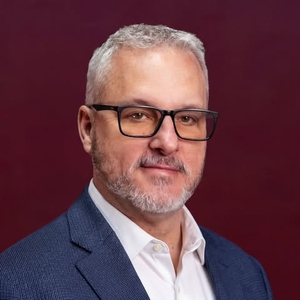
Age: 56
City of residence: Colorado Springs
Occupation: Pastor and state representative
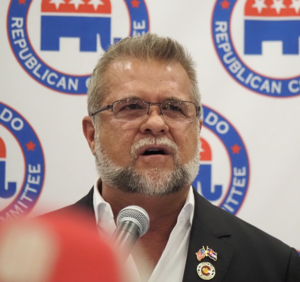
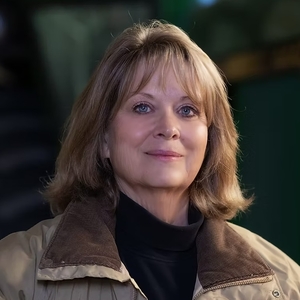
What would be your highest priority as governor during your first year in office, and how should Coloradans measure your progress?
BOTTOMS: My highest priority as governor in the first year is tackling the child safety crisis head-on while launching Colorado D.O.G.E. to slash waste, restore transparency, and protect families. We will aggressively combat human trafficking, grooming in schools, and restore parental rights as the bedrock of education. No more ideological experiments on our kids. We will cut taxes, reduce regulations strangling small businesses and energy production, and demand accountability from every state agency. Progress will be measured by concrete results: declining crime rates especially against children, measurable drops in state spending and bureaucracy, improved school safety metrics, more families staying in Colorado because it is affordable again, and public trust rebuilt through open books and swift prosecutions of corruption. Coloradans will see safer streets, stronger families, thriving rural economies on the Western Slope with better water and road infrastructure, and a government that fears the people, not the other way around. This is not about politics. It is about moral clarity and putting Colorado first for our children and grandchildren. We will deliver results that matter most to everyday families who want to raise kids in safety and freedom.
MARX: My top priority in year one is lowering the cost of living for Colorado families. That starts with cutting wasteful government spending, rolling back unnecessary fees and regulations, and making housing, energy and everyday essentials more affordable. Coloradans should measure progress by real results: lower utility and fuel costs, more housing being built, fewer fees and taxes in their monthly bills, and a balanced state budget that lives within its means. If families are keeping more of what they earn, we’re doing our job.
KIRKMEYER: My highest priority would be restoring affordability for Colorado families. The rising cost of housing, groceries, energy, insurance and everyday necessities is making it harder for hardworking Coloradans to get ahead. These costs are the result of state government policies that have increased regulations, fees, and barriers to economic growth. In my first year, I would focus on lowering costs by cutting unnecessary regulations, increasing housing supply, expanding Colorado’s water infrastructure, pursuing a best-of-the-above energy strategy, and reforming insurance policies that are driving up premiums. At the same time, I would bring greater discipline to state government spending. As a member of the Joint Budget Committee, I have consistently pushed for responsible budgeting and greater accountability. As governor, on day one I will present a new budget to the JBC that ensures the people’s tax dollars are spent wisely. Coloradans should measure my success by results: lower insurance costs, more attainable housing, lower energy prices, fewer burdensome regulations, and a state government that lives within its means. If families feel more confident about their ability to afford a home, pay their bills, and build a future in Colorado, then we will know we are moving in the right direction.
When it comes to state laws and regulations you want to see enacted as governor, what is the most substantial policy difference between you and your primary opponents?
BOTTOMS: The most substantial policy difference is my uncompromising stance on the child safety crisis versus my opponent’s more incremental approach. I will immediately prioritize aggressive investigations into trafficking networks, clean house at the Colorado State Patrol and CBI if needed, ban transgender surgeries and interventions for minors, and enshrine parental authority in law. I will push D.O.G.E. style zero based budgeting to eliminate bloated programs funding activism over results. My opponent brings valuable experience, but Colorado needs bold, faith rooted moral leadership now. We will deliver tax relief for working families and stay at home parents, energy independence, election integrity reforms like supporting the Tina Peters pardon, and protections for conscience and religious liberty. This is not rhetoric. It is the fight our kids deserve against demonic ideologies harming the innocent. We must act with urgency to reclaim our state. I will also focus on rural priorities like Western Slope water rights, road repairs, and economic development to keep families from leaving Colorado. Bold action will set us apart. We will pass laws that put parents back in charge of education, protect religious freedoms without compromise, and ensure fiscal responsibility that lowers costs for hardworking Coloradans.
MARX: The most substantial difference is that I will use state law to put strict limits on how much government can grow and how much it can take from families. Unlike my opponents, I will push for hard caps on spending and new fees, require that every major bill show its impact on the cost of living, and automatically sunset costly programs unless they are re-justified. My focus is on rolling back regulations and mandates that drive up housing, energy and insurance costs, instead of creating new ones. If a proposal doesn’t clearly lower costs and protect taxpayers, I won’t sign it.
KIRKMEYER: The difference is that I have actually done the job. I am frankly tired of candidates who talk endlessly about what they are going to do someday while having little or no record of actually accomplishing it. One of my opponents, when asked how many people he has killed, responded with “Does this really matter?” The other is only willing to release details about a pedophile ring after he is governor. Neither of my opponents has demonstrated any ability to take conservative ideas and turn them into conservative results. I have. I have spent years fighting for taxpayers, balancing budgets, delivering property tax relief, standing up for law enforcement, and advancing conservative policies through a Democrat-controlled legislature. Colorado does not need another candidate who can generate headlines, stir up social media, or give a fiery speech. We need a governor who knows how to get things done. There is a big difference between running for governor and being qualified to be governor. I have proven I can do the job.
What’s a hobby or a passion of yours that has nothing to do with politics, and why is it meaningful to you?
BOTTOMS: One passion completely outside politics is staying active outdoors. I love mountain biking through Colorado’s stunning trails and playing golf whenever I can. These activities keep me physically strong and mentally sharp after years of ministry and service. There is nothing like the fresh mountain air, the challenge of the trails, or the focus required on the course to clear my head and remind me of God’s incredible creation. It recharges my spirit, builds discipline, and strengthens family bonds when I share it with loved ones. In a fast paced world of challenges, these hobbies ground me in gratitude and resilience. They reinforce why we must preserve Colorado’s natural beauty and freedoms so future generations can experience the same joy and renewal. Time in God’s outdoors renews my purpose and reminds me what we are truly defending for our families. These moments provide balance and perspective. They fuel my commitment to ensuring every Coloradan can enjoy our majestic landscapes without overregulation or government interference. These activities remind me daily of the blessings we have and the responsibility to protect them.
MARX: When I’m not working, I’m usually outdoors, shooting, working in the yard, or just staying active. I love being a father and dad, and that’s really at the center of everything I do. I also spend time mentoring young people, helping them build confidence and direction. Staying healthy, physically and mentally, matters to me because it keeps me grounded and focused.
KIRKMEYER: One of my favorite hobbies is gardening and working with flowers. Before serving in public office, I owned a flower shop, and I have always enjoyed the creativity and hard work that comes with growing and arranging flowers. There is something rewarding about taking care of a garden and watching something flourish. It reminds me that the best things in life often take time to grow. Even today, working with flowers is a way for me to relax and stay connected to a passion that has been part of my life for many years. It also serves as a reminder of my small business roots and the value of hard work, entrepreneurship, and serving your community, lessons that continue to shape how I approach public service today.
Colorado celebrates the 150th anniversary of its admission to the union this year. Who is a figure from the Centennial State’s history that inspires you, and why?
BOTTOMS: A figure from Colorado’s history who deeply inspires me is John Long Routt, our first territorial and state governor after Colorado’s admission to the Union in 1876. His grit, integrity, and servant leadership in building a new state from rugged frontier conditions set a powerful example. Routt faced immense challenges yet prioritized practical governance, unity, and opportunity for everyday people. In our 150th anniversary year, his legacy reminds me that true leadership means rolling up your sleeves for the common good, not chasing power. It guides my commitment to reclaim Colorado from entrenched interests, restore fiscal responsibility, protect families, and build a prosperous future rooted in the same pioneering spirit that made our state great. We need that kind of principled determination today to overcome modern challenges and leave a lasting positive legacy for all Coloradans. His example of honest service amid hardship echoes in my call for transparency and accountability. Just as Routt helped lay the foundations for growth, I aim to rebuild trust and opportunity so Colorado thrives for the next 150 years and beyond.
MARX: Doc Holliday has always stood out to me. He wasn’t perfect, but he lived with grit, loyalty, and a fierce sense of independence that western spirit Colorado was built on. This state was shaped by people who valued freedom, took risks, and carved out a life on their own terms. That heritage still matters. It’s about standing your ground, protecting what’s yours, and building something better for your family. As we mark 150 years, I think about that legacy and what it means today: keeping Colorado a place where hard work pays off and freedom still comes first.
KIRKMEYER: One Colorado leader who inspires me is Ralph Carr. Most people remember Gov. Carr for courageously standing up for the constitutional rights of Japanese Americans during World War II, even though he knew it would likely cost him politically. That kind of principle is rare, and it is one of the reasons Colorado still honors his legacy today. But what also inspires me is the way he governed. He took office during one of the most difficult economic periods in our state’s history and balanced Colorado’s budget without raising taxes. He streamlined state government, reduced bureaucracy, and fought to protect Colorado’s water rights and state sovereignty from federal overreach. Gov. Carr understood that leadership is not about chasing headlines or telling people what they want to hear. It is about doing what is right, managing government responsibly, and protecting the long-term interests of the people you serve. His combination of fiscal discipline, respect for constitutional principles and willingness to stand firm when it mattered most is a model of leadership that I deeply admire and one that remains just as relevant for Colorado today.
In another 50 years, Coloradans will be looking back at 200 years of state history, while celebrating the nation’s tricentennial. If elected, what would you want the history books in 2076 to say about your governorship?
BOTTOMS: In 2076, I want history books to record that Governor Scott Bottoms restored parental rights, crushed corruption through bold transparency reforms like Colorado D.O.G.E., and made our state safe and affordable again for working families. They will say he protected innocent children from exploitation, ended wasteful spending, championed energy freedom and rural economies, and proved that faith driven, America First leadership can renew a struggling state. Colorado became a beacon of liberty, opportunity, and moral clarity once more with stronger schools focused on excellence, lower taxes, safer communities, and a government accountable to the people. My governorship showed that courageous service, not careerism, can secure freedom for generations. We turned the tide, defended the vulnerable, and left Colorado stronger for our children and grandchildren. Future generations will read how we banned harmful interventions on minors, supported stay at home parents, and prioritized real child safety over politics. They will learn of restored election integrity, fiscal discipline that reduced burdens on families, and a renewed commitment to constitutional principles.
MARX: I would want history to say that we turned Colorado around for working families. That we stopped the spiral of higher taxes, fees and regulations, and replaced it with a government that lived within its means and respected every dollar taxpayers sent to Denver. That under my watch, housing became more attainable, energy more reliable and affordable, and small businesses could grow without being buried in red tape. And that we did it without dividing neighbors against each other. We proved that Republicans, independents, and Democrats could come together around a simple idea: Colorado is a place where you can afford to build a life, raise a family and stay.
KIRKMEYER: I would want history to say that my administration helped Colorado change course at a critical moment. That we restored affordability, strengthened public safety, improved our roads and infrastructure, protected our water resources, and made Colorado a place where families could once again thrive. Most importantly, I would want people to say that we put Colorado first. That we focused on solving problems instead of scoring political points, and that we left the state stronger, safer, and more prosperous for the next generation. If future Coloradans have greater opportunities because of the decisions we made, that will be the legacy worth leaving.
Colorado governor, Unity Party
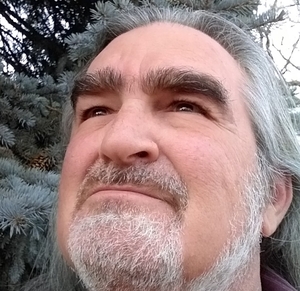
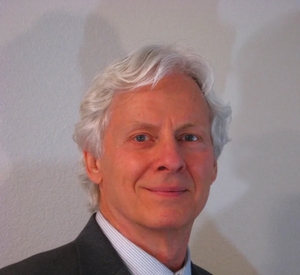
What would be your highest priority as governor during your first year in office, and how should Coloradans measure your progress?
FIORINO: My highest priority is caring for citizens currently on the streets and those at risk of homelessness. We must embrace the arrival of Artificial Intelligence by ensuring “Arts in STEM” (STEAM) is a basic educational essential for the 21st century. I also intend to prioritize housing for teachers and first responders. Progress can be measured by the development of a state bank to deliver GBI, UBI, rent credits and TABOR surpluses. My administration will also focus on royalty dividends from intellectual property and securing our water rights. Environmental hope initiatives will flourish as we protect our infrastructure and unite Colorado through preservation and conservation.
PECKMAN: My highest priority would be introducing the theme of “coherence,” both as an operating principle for government, and as a new science producing breakthrough technologies. I would create the position of Chief Coherence Officer and establish the Partnership for Applied Coherence Technologies. Coherence-based technologies are predicted to have at least $10 trillion in global economic impact over the next 25 years. My pioneering strategy will create a “Butterfly Effect” type of governance to replace the “Rube Goldberg Machine” type created by the two major political parties. This will result from solution-based policies, as described in my Solutions Blueprint. Various coherence technologies offer a wide spectrum of benefits. The progress of my administration will be seen everywhere. Healthcare will be more affordable while better health becomes more achievable. Student happiness and academic performance will increase. Solution-oriented jobs will thrive. Air, water and soil will be less polluted. Roads, bridges and new buildings will be stronger, safer, longer-lasting and more resistant to corrosion. Data centers will consume less energy but have more computing power. Billions of dollars more will keep circulating within our state. Colorado will be regarded as a leader in the production, use and marketing of graphene and hydrogen.
When it comes to state laws and regulations you want to see enacted as governor, what is the most substantial policy difference between you and your primary opponent?
FIORINO: The most substantial difference is my path as a Unity Party and unaffiliated candidate who views the arts as essential to the state’s health. While others have focused on pension management and cutting arts from education, I have spent decades advocating for the cultural and mental health benefits of the arts, previously serving as chairman of the Kennedy Center Alliance for Arts Education. My administration recognizes that mental health and physical activity are essential pillars of governance. Electing an unaffiliated governor sends a message that Colorado values senior knowledge, experience and a heart for its citizens over partisan confusion.
PECKMAN: The most substantial policy difference is that I offer real solutions, not just positions. My policies will be based on implementing the most affordable and effective solutions that serve the broadest spectrum of Coloradoans. The major political parties exploit problems instead of solving them. I’ll remove the contaminating element of returning or soliciting political favors in policy decisions. Authentic solutions can achieve that without excessive overreach, or costly and burdensome regulations. My primary election opponent has tremendous artistic talent, with a passion for the arts. While I appreciate the arts, my talent is more oriented toward implementing results-based technology. However, the emphasis of my policies will be on a new class of technologies that harness the extraordinary power of coherence. Example: Colorado’s air quality goals can be achieved within two years, with extremely affordable coherent fuel plasma technology based in Colorado. This requires no new tax-payer funding, divisive laws and regulations by state or federal government, or any new electric vehicles. The financial and quality of life benefits of achieving that will cascade through other areas such as health, economy, public safety, infrastructure, environmental quality, and so on.
What’s a hobby or a passion of yours that has nothing to do with politics, and why is it meaningful to you?
FIORINO: Juggling and music are my lifelong passions. Juggling provided the focus and coordination that launched my career as a principal dancer with the Israeli Classical Ballet and led me to stages like the New York City Center. This physical discipline is essential for managing mental stress and maintaining well-being. Additionally, I am a musician playing guitar and harmonica. Music is a meaningful way to connect with others; I am currently preparing to release “Sisty’s Suite for First Responders.” These creative outlets are vital for a balanced life and inform my perspective on the importance of physical and mental fitness for all Coloradans.
PECKMAN: Tennis grounds and invigorates me. Playing pool with my brother is family fun. However, I’m mostly a “solutionist.” Since age ten, my biggest passion and favorite hobby have been finding and promoting the best and most affordable solutions to problems at every scale. I’m always researching, solving puzzles, and figuring out how to achieve more with less. That’s my passion, not politics.
Colorado celebrates the 150th anniversary of its admission to the union this year. Who is a figure from the Centennial State’s history that inspires you, and why?
FIORINO: I am inspired by Wilson Edward Sisty, a founder and the first Denver City Marshal. As a miner, legislator, and the “Father of Fish Culture,” his contributions still feed us today. Most importantly, he was a man of principle who stood against the Sand Creek Massacre. Despite his significant leadership during the 1865 Constitutional Convention and his service as a first responder for both people and animals, his legacy has yet to be fully acknowledged by History Colorado. He represents the spirit of preservation and the courage to stand for what is right, which are qualities I seek to bring to the governor’s office.
PECKMAN: Nikola Tesla. He was a unique and extraordinary genius, not only in the history of Colorado, but the world. His deep passion for elevating human life transcended motivations for financial gain, political power and control. His unbounded imagination defied the scientific consensus of how nature worked. He harnessed the profound mechanics of nature to work for humanity in ways never achieved before. Much of what we enjoy in our modern technology-based world originated in his mind. The current billionaire tech oligarchs would be wiser to follow in his footsteps. Throughout Nikola Tesla’s successes and challenges, he remained dignified, humble, kind and generous, while also maintaining a sense of humor.
In another 50 years, Coloradans will be looking back at 200 years of state history, while celebrating the nation’s tricentennial. If elected, what would you want the history books in 2076 to say about your governorship?
FIORINO: I would want the history books to record that the Fiorino administration was the moment Colorado truly united. It should be remembered as the era when the first unaffiliated/Unity Party governor was elected, breaking through partisan barriers to prioritize the people. I want to be remembered for protecting our gold — water — and for ensuring that the arts remained at the heart of our educational and economic systems. Ideally, the records will show that our administration successfully balanced rapid technological advancement with a deep commitment to the environment and the fundamental well-being of every Coloradan.
PECKMAN: I would want history books in the future to view my governorship as a turning point that reversed the downward spiral in quality of life to an upward spiral. They would record that I applied Buckminster Fuller’s advice, “You can’t change things by fighting the old model. You change things by building a new model that makes the old model obsolete.” They would describe that I broke through the matrix of the two-party duopoly that the founders of our nation warned about. They would remember me as a pioneering “solutionist.” Future history books would identify my governorship as unleashing technologies and solutions based on the principle of coherence. They would reflect on advances in global civilization that came from my Partnership for Applied Coherence Technologies. They would list achievements resulting from widespread use of graphene and hydrogen, for which Colorado became the global leader during my administration. They would share that I was part of the first delegation to have open, public contact with visitors from outside of Earth. Most important is that they remember that during my administration, people became happier, healthier, more prosperous and enjoyed a more harmonious co-existence with fellow humans, the natural environment and beyond.
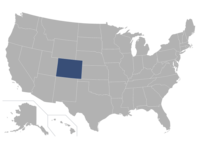
Denver, CO