Brown Health was supposed to expand primary care access. Instead, it lost providers.
Nov 19, 2026 | 2:28 pm ET
Description
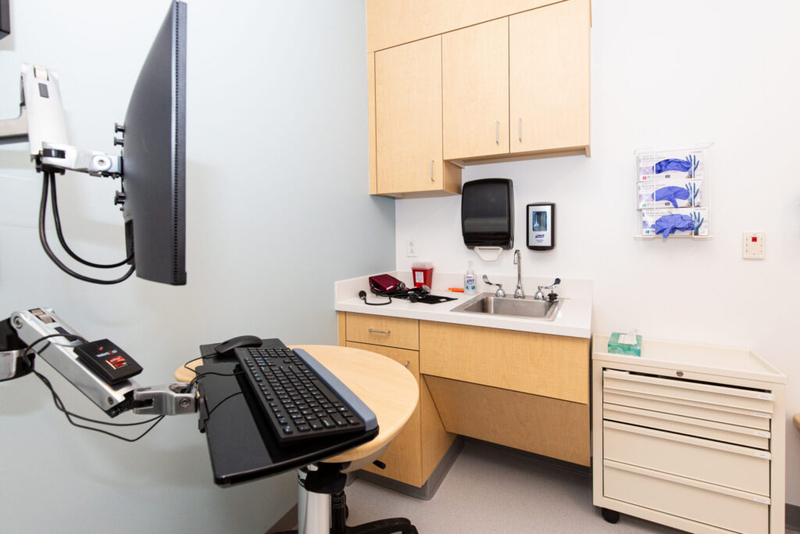
An exam room at Brown University Health Middletown Primary Care. (Courtesy of Brown University Health)
Fourteen months after Brown University Health committed to a long-term expansion plan that includes hiring 15 more primary providers by the end of 2027, the healthcare operator has lost — not increased — total clinicians and only added a fraction of the 40,000 new patients required.
The lackluster preliminary performance was laid bare in a July 1 report, which was released by Rhode Island Attorney General Peter Neronha’s office on Wednesday.
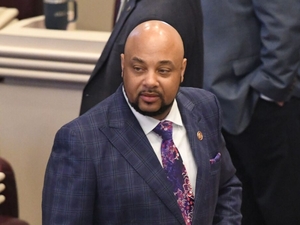
“I am deeply concerned by Brown Health’s insufficient progress, and in my view a repeat performance in the next reporting session would warrant a significant response from this Office,” Neronha said in a statement.
AG leverages regulatory review to tackle Rhode Island’s primary care shortage
Neronha negotiated the aggressive, four-year growth mandates in September 2025 as a condition for letting Brown University Health, the state’s largest hospital operator, merge with Brown Physicians, Inc, a 500-physician nonprofit specialty practice.
The marriage between the two similarly named but unrelated healthcare giants would normally have to undergo rigorous scrutiny by state regulators for potential antitrust violations. Neronha agreed to suspend the state review process in September 2025, in exchange for a series of conditions meant to soothe the state’s primary care crisis.
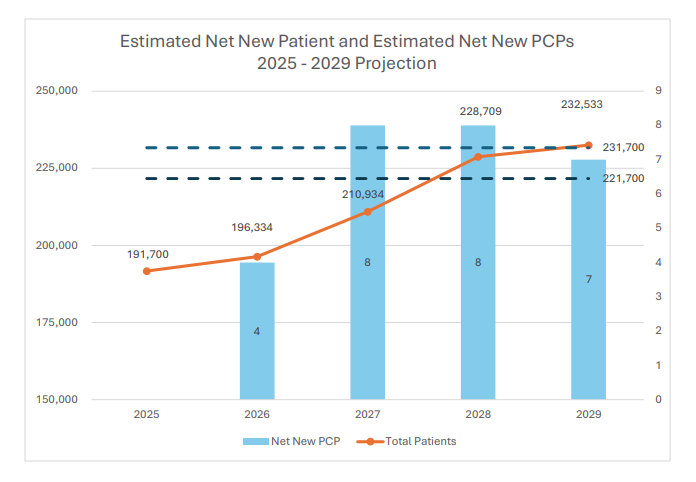
Under the seven-page agreement, signed days before the Oct. 1, 2025 merger closed, the healthcare system agreed to take on 40,000 new primary care patients by the end of 2029 and hire at least 27 new primary care providers, including 15 by the end of 2027.
But as of June 1, 2026, the healthcare system had three fewer primary care providers than when the agreement took effect. The net reduction in providers — with 17 clinicians leaving and 14 hired — also made it harder to add more patients, since the providers who retired or took other jobs were responsible for a combined 15,000 patients, according to the report.
Five more providers are expected to leave by the end of the year.
The healthcare system added 260 net new patients during the nine-month reporting period, representing less than 1% of the 40,000 it needs to add by Dec. 31, 2029. Despite the gargantuan gap that remains, Brown Health remains confident it can meet the benchmarks set by the AG’s office, including a net increase of 15 clinicians by the end of next year.
“The recruitment of primary care providers is a top priority to ensure Rhode Islanders have timely access to care,” Jessica Wharton, a Brown University Health spokesperson, said in an emailed response to the Current Wednesday. “We are backing our recruitment efforts with significant investments in competitive compensation, technology, clinical support, and resources that allow physicians to focus on caring for patients.”
The performance report and supplemental materials released by Neronha’s office offer some signs of progress. At the time of the July 1 report, Brown Health said it was interviewing 10 more primary care physicians, projecting a net increase of four total providers by Dec. 31.
Waiting list: zero
Meanwhile, Brown Health has whittled down its waiting list from a 14,000-person high on the heels of the June 2025 closure of Anchor Medical Associates, to 1,200 people as of June 1, and now, completely cleared of primary care patients. Decreasing wait times such that new patients would be seen within 14 days of calling for an appointment was also a requirement of the agreement with the AG’s office.
Neronha acknowledged the incremental achievements while noting the underlying structural challenges standing in the way of results: uncompetitive reimbursement rates compared with neighboring states, an aging workforce and the lure of concierge medicine with better pay and reduced workload.
But Brown Health knew about those problems at the time of the agreement, and made the commitment anyway, Neronha said.
And, maybe they should not have, according to Dr. Michael Fine, a former state health director and vocal primary care advocate.
Fine said Thursday he was “absolutely not surprised” by the poor performance in Brown Health’s expansion plans.
“There aren’t any primary care clinicians available,” Fine said. “Unless there are consequences for missing the goal, I think you can expect a report like this every year.”
Neronha’s office did not respond to questions regarding potential sanctions for missed benchmarks in the agreement.
Unless there are consequences for missing the goal, I think you can expect a report like this every year.
Brown Health blamed an aging workforce and lower Medicaid reimbursement rates for hindering its ability to hire more primary care providers.
Eight of the 22 providers who left or are expected to leave by Dec. 31 took jobs in a different state, according to the report. Another seven people retired, while four moved to private, membership-based practices.
But Fine also pointed to the reported workloads for Brown Health physicians — 1,766 patients per adult physician, and 1,339 patients per pediatric physician — as a deterrent.
“You’re asking people to do the work of three to five clinicians,” Fine said.
Research suggests fewer patients per provider can improve health outcomes and reduce physician burnout. The concierge medicine model increasingly luring doctors into private-pay practices also offers smaller patient loads of 300 to 500 people on average, promising a more individualized approach for those who can afford it.
On the flip side, reducing providers’ patient rosters means more clinicians are needed to fill the existing provider shortage, Fine acknowledged.
And even raising Medicaid reimbursement rates, as recommended by the Rhode Island Office of the Health Insurance Commissioner, doesn’t translate to better pay for providers, Fine said.
Money talks
Brown Health in the report says it has “refined our physician compensation model,” to incentivize clinicians to take on more new patients. A second report on July 16 answering follow-up questions from Neronha’s office provides information on payroll expenses by provider type, but the numbers are redacted.
The company also spent more than $19 million in technology and “PCP support” in the first six months of its fiscal year, from Oct. 1, 2025 to April 1, 2026, according to the supplemental report. The breakdown of how money was spent is also redacted.
Wharton did not respond to requests for comment on how higher Medicaid reimbursement rates would be spent if awarded. But Brown Health has already made clear its balance sheet is in trouble, with alarming rises in insurance denials, debt and charity care cutting into its third-quarter bottom line, and even bigger losses projected from federal budget cuts.
“If they’re investing a lot of money into IT and overhead, as it appears they are, there is very little left over for physicians,” Fine said. “Until primary care physicians are paid about 70% of the compensation of high-income specialties, almost no one is going to choose primary care.”
Meanwhile, preliminary efforts to start a medical school at the University of Rhode Island — creating a new pipeline of healthcare providers to ease staffing shortages — will take at least $175 million and a decade to start producing results, according to analysis by a state Senate panel, on which Fine served.
Neronha suggested higher pay, modern practice models and “minimizing unnecessary workload burdens” as ways to attract and retain new primary care solutions.
Fine’s take on solutions to help Brown Health meet its mandates by 2029: “There’s no way to give us the volume of improvement we need on income, and address the workforce we need.”
While Fine lauded Neronha for an “unprecedented” focus on healthcare during his eight terms as state prosecutor, he didn’t think the terms set by the AG’s office in the 2025 agreement were realistic.
“I’m not sure lawyers should be setting healthcare policy,” he said.
A spokesperson for Attorney General-elect Kim Ahern, who will succeed term-limited Neronha in January, acknowledged but did not immediately respond to requests for comment.
The next progress report from Brown Health is due in July 2027.

Providence, RI